The Making of a Gardener
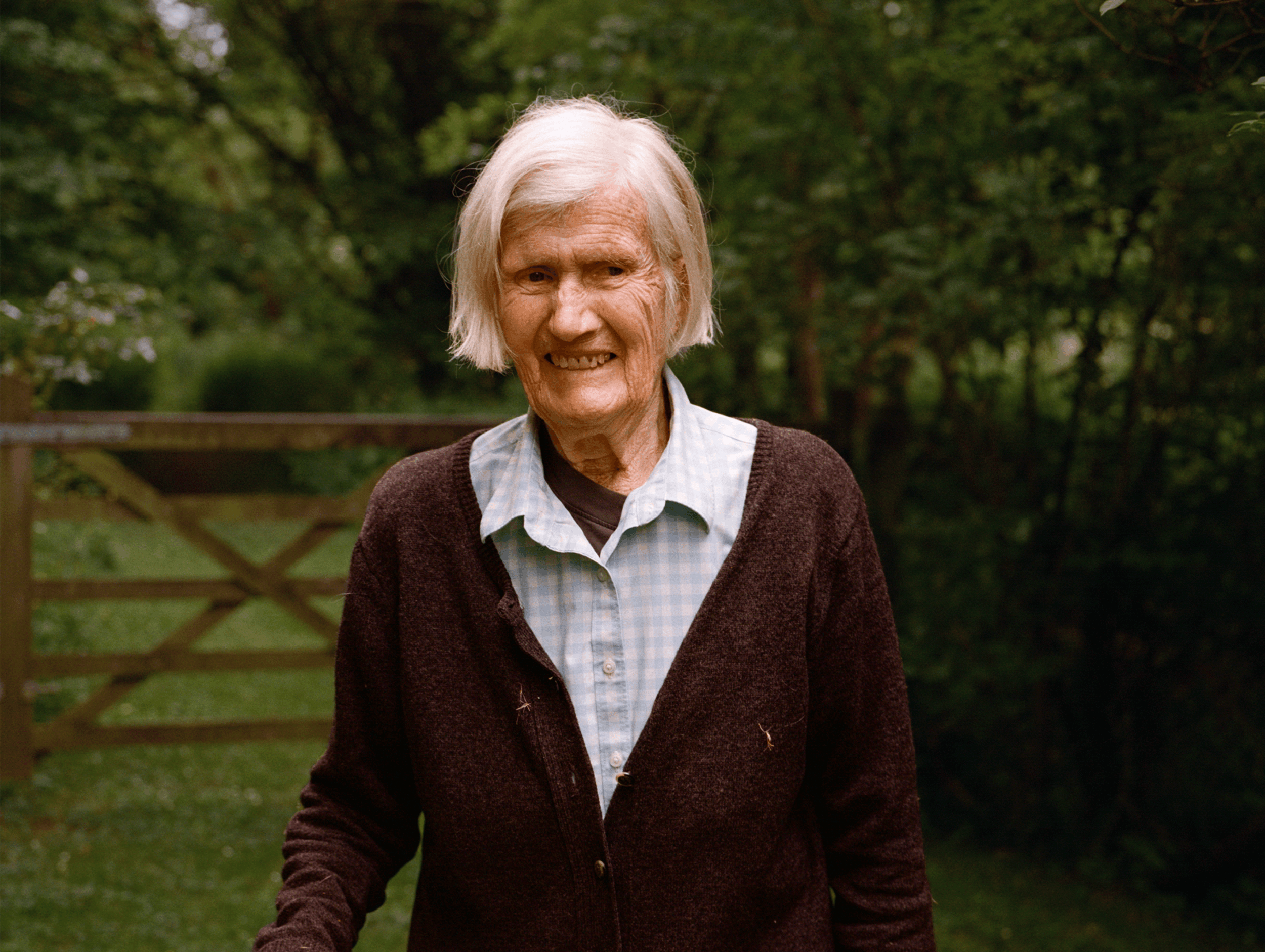
I first met Penelope Hobhouse in November 2008, in India. But as a keen gardener, I had known of her for years. She was a titan of the design world. Then nearly eighty, she had more stamina than anyone half her age.
What I couldn't have known then was that sixteen years later, Penelope and her family would invite me to write her biography. It has taken me three years, and it has been one of the greatest honours of my career to be trusted by a woman of this stature with the full story of her life.
Penelope was born Penelope Chichester-Clark in 1929, into the Anglo-Irish gentry of Northern Ireland. The family estate, Moyola Park, was grand. Her childhood was not. Her father died when she was three. Her mother, embracing widowhood as liberation, leaving Penelope in the care of a cruel governess. The estate staff, who pitied her, called her ‘Poor wee Miss Penny’.
She later said the loneliness made her a workaholic — she always felt she had to prove herself. That drive would eventually make her one of the most influential garden designers of the twentieth century.
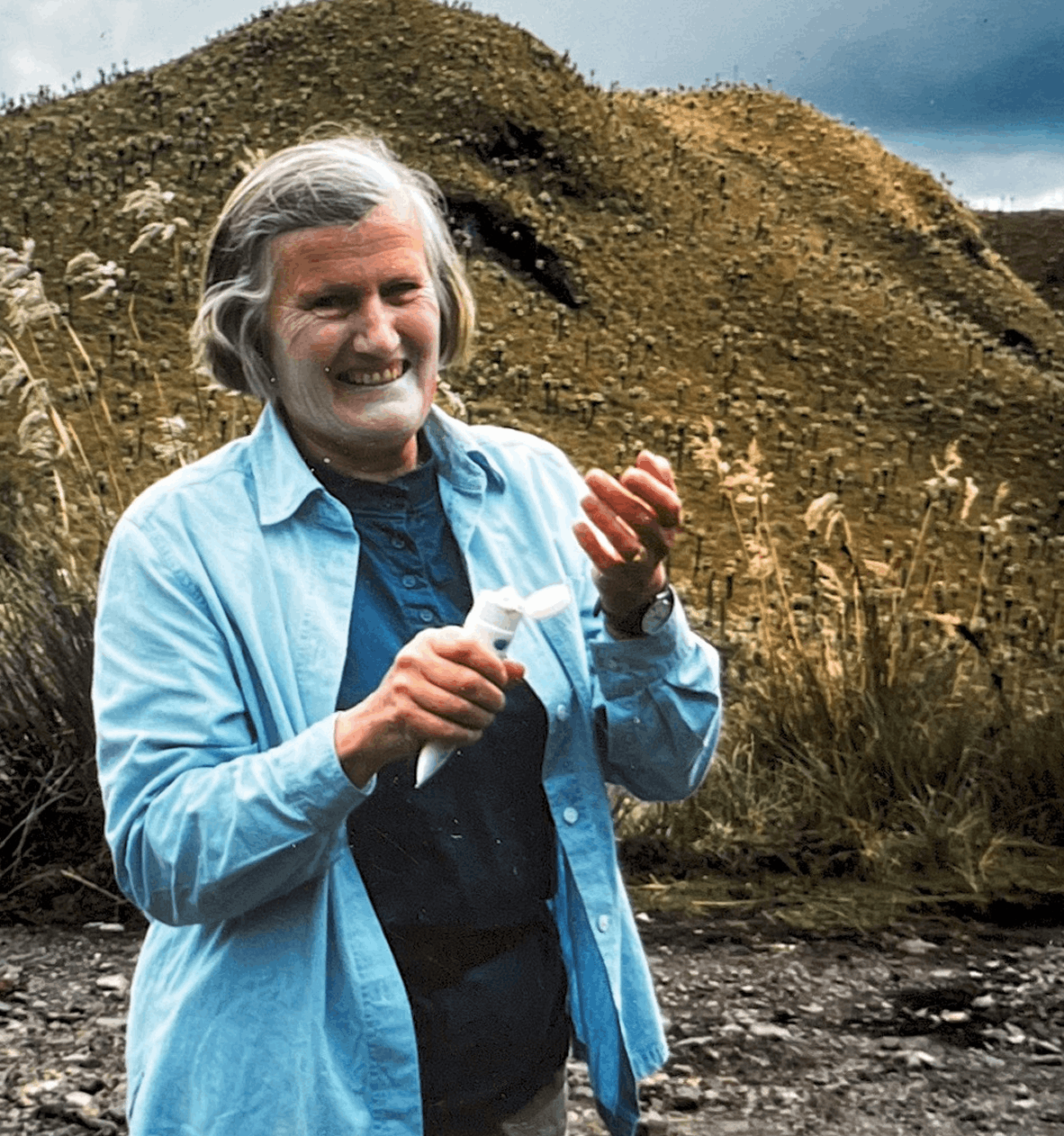
Escape came through Cambridge. At Girton College, Penelope excelled at sport — Blues in tennis and fencing, a half-blue in lacrosse. She met John Raven, a Classics don and passionate botanist, and though she had no interest in plants at the time, she went along on his walks just to be sociable. She had no idea it would become a lifelong passion.
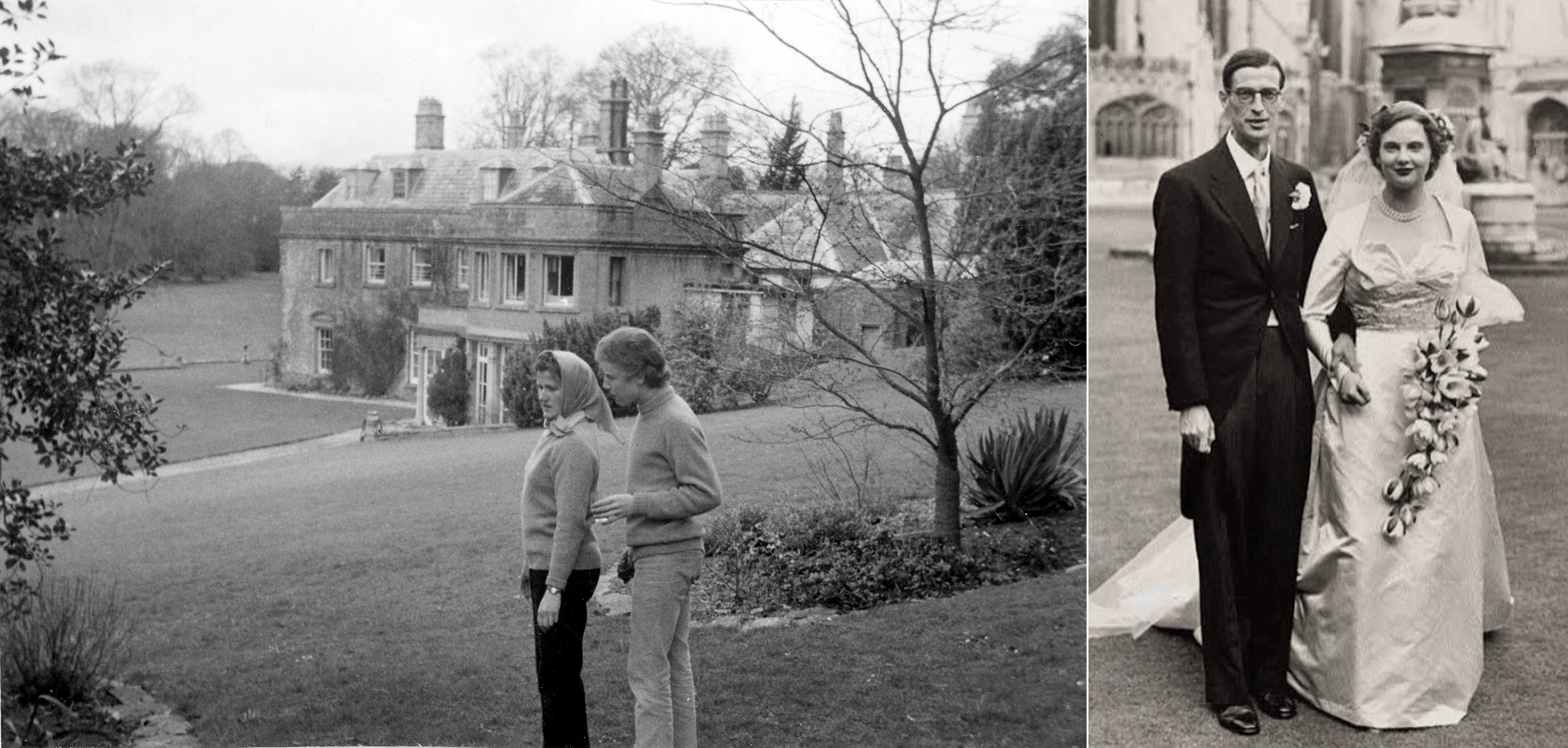
While at Cambridge, she also met Paul Hobhouse — brilliant, handsome. They married in 1952 in what the press called a ‘Wedding of the Year’, with John Raven’s future wife, Faith, as one of the bridesmaids.
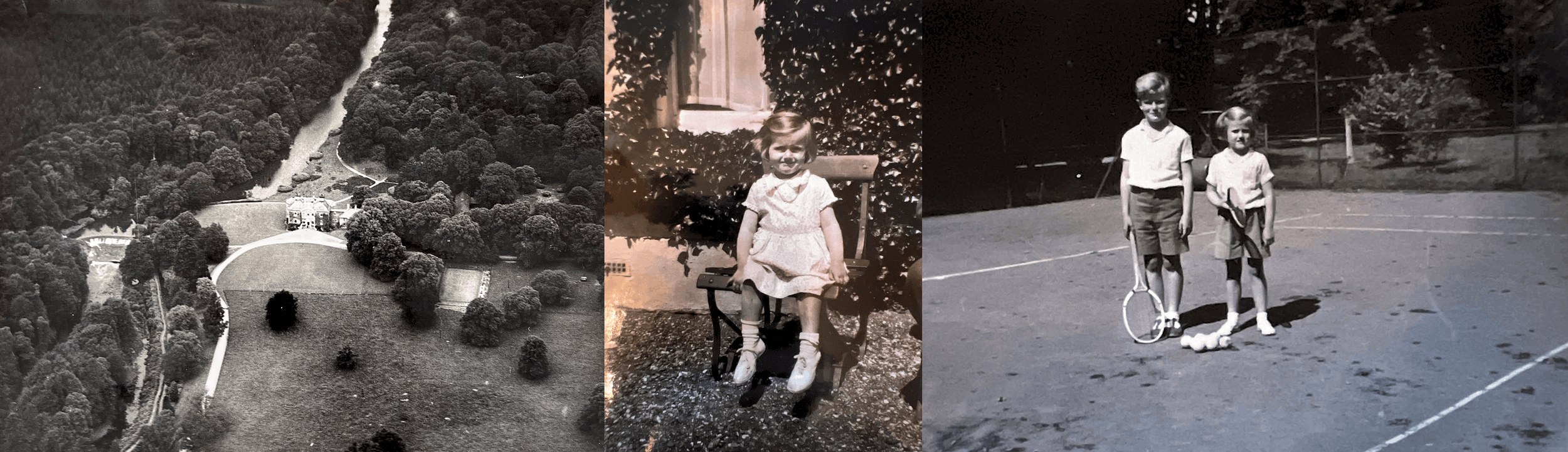
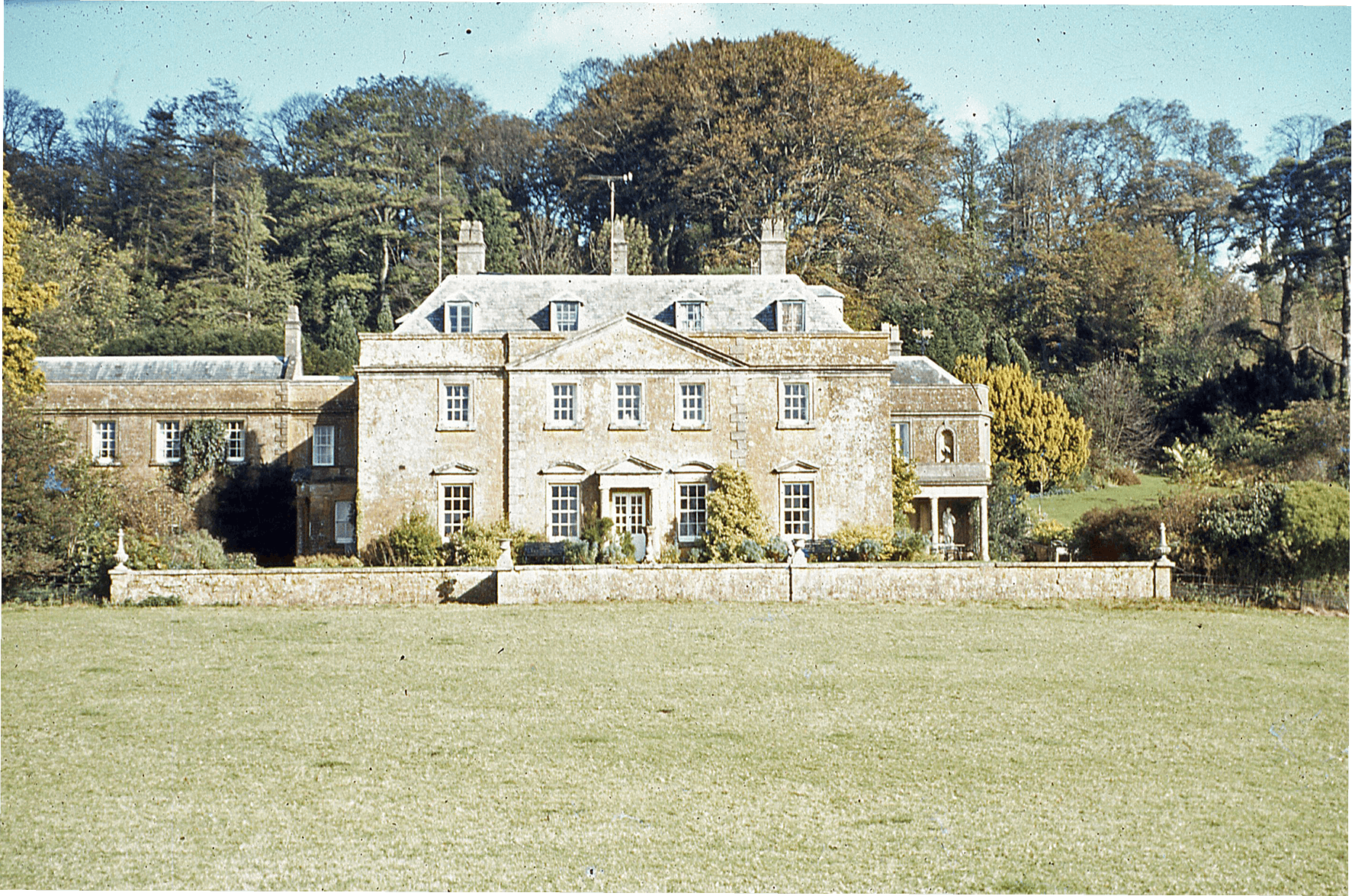
Hadspen House and its Restored Garden
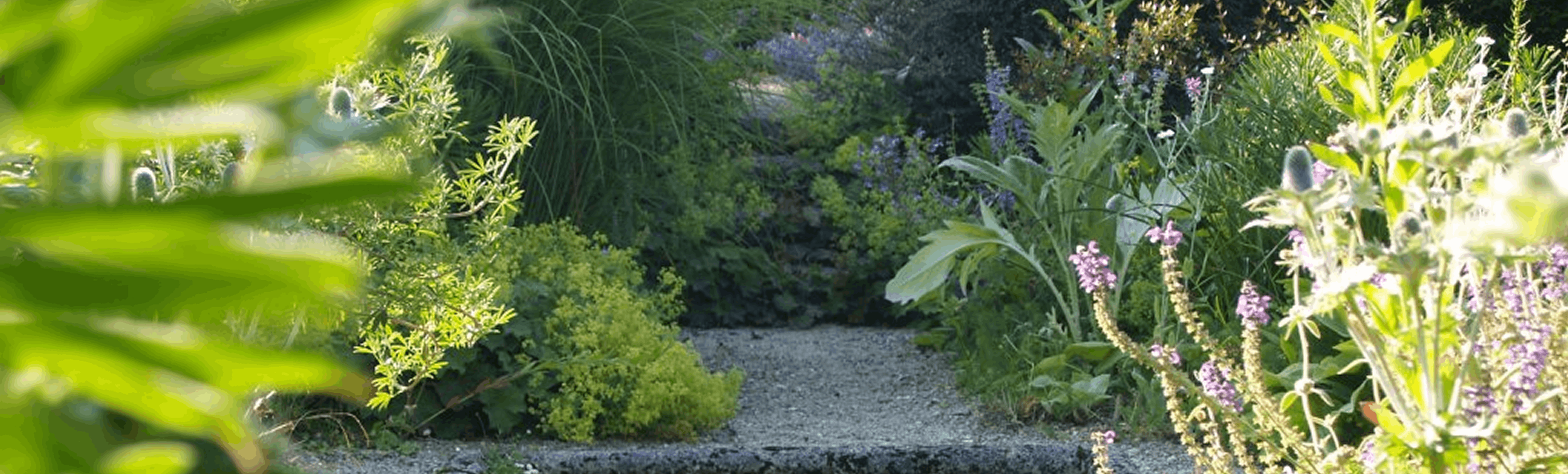
The marriage proved deeply unhappy, When Paul's parents died, she and Paul moved into the family seat, Hadspen House. As a distraction, she threw herself into restoring the overgrown garden. Then a chance visit to a nearby National Trust Garden at Tintinhull proved a revelation. She saw for the first time that gardening was an art form — about space, light, colour, and structure. Not just plants.
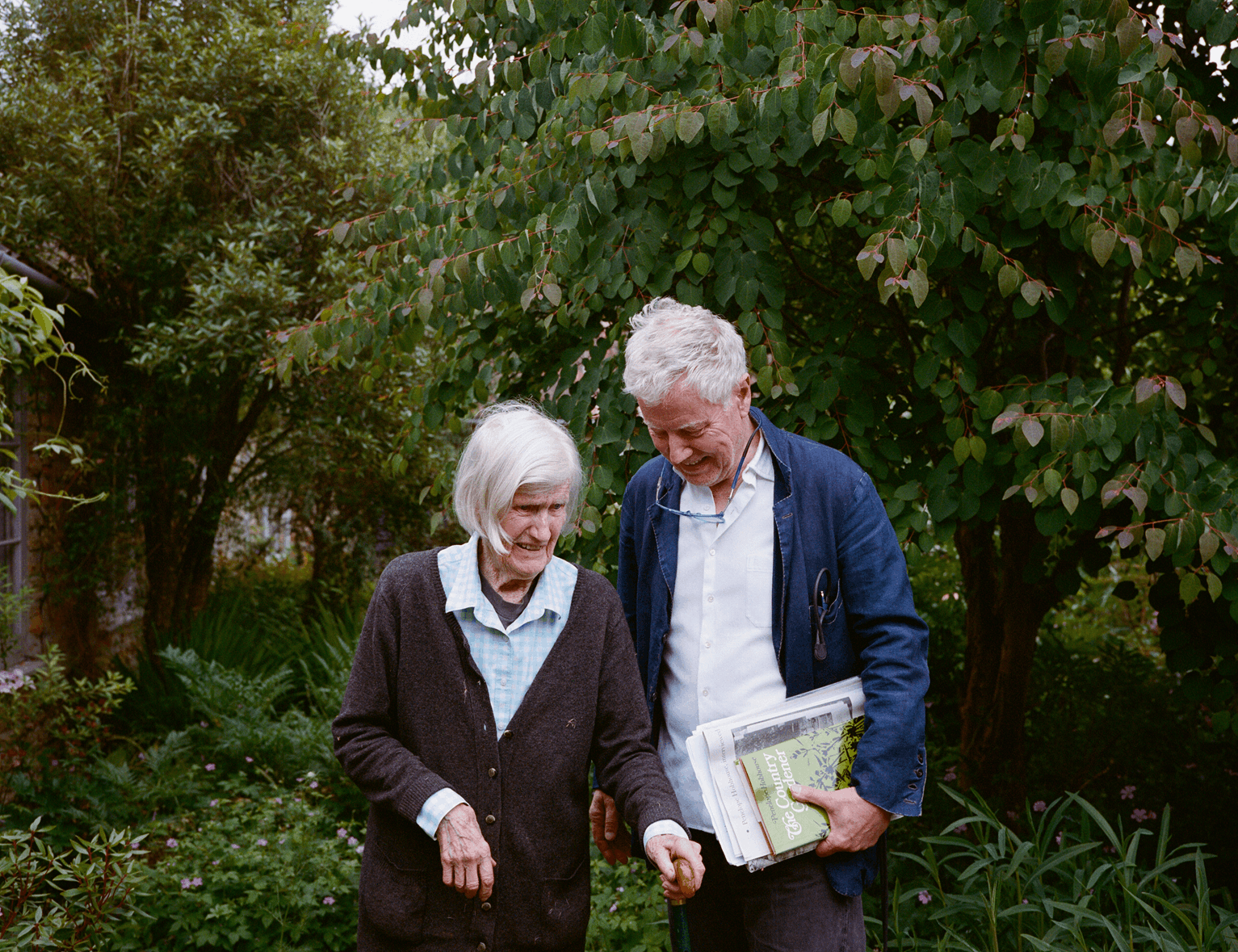
She wrote immediately to her old Cambridge friend John Raven, confessing she wished she'd paid more attention on those botanical walks. He and his wife, Faith, became her mentors and guides. She cleared the eight-acre garden at Hadspen by hand, redesigned it entirely, and taught herself design as she went. That effort became her first book, The Country Gardener, in 1976.
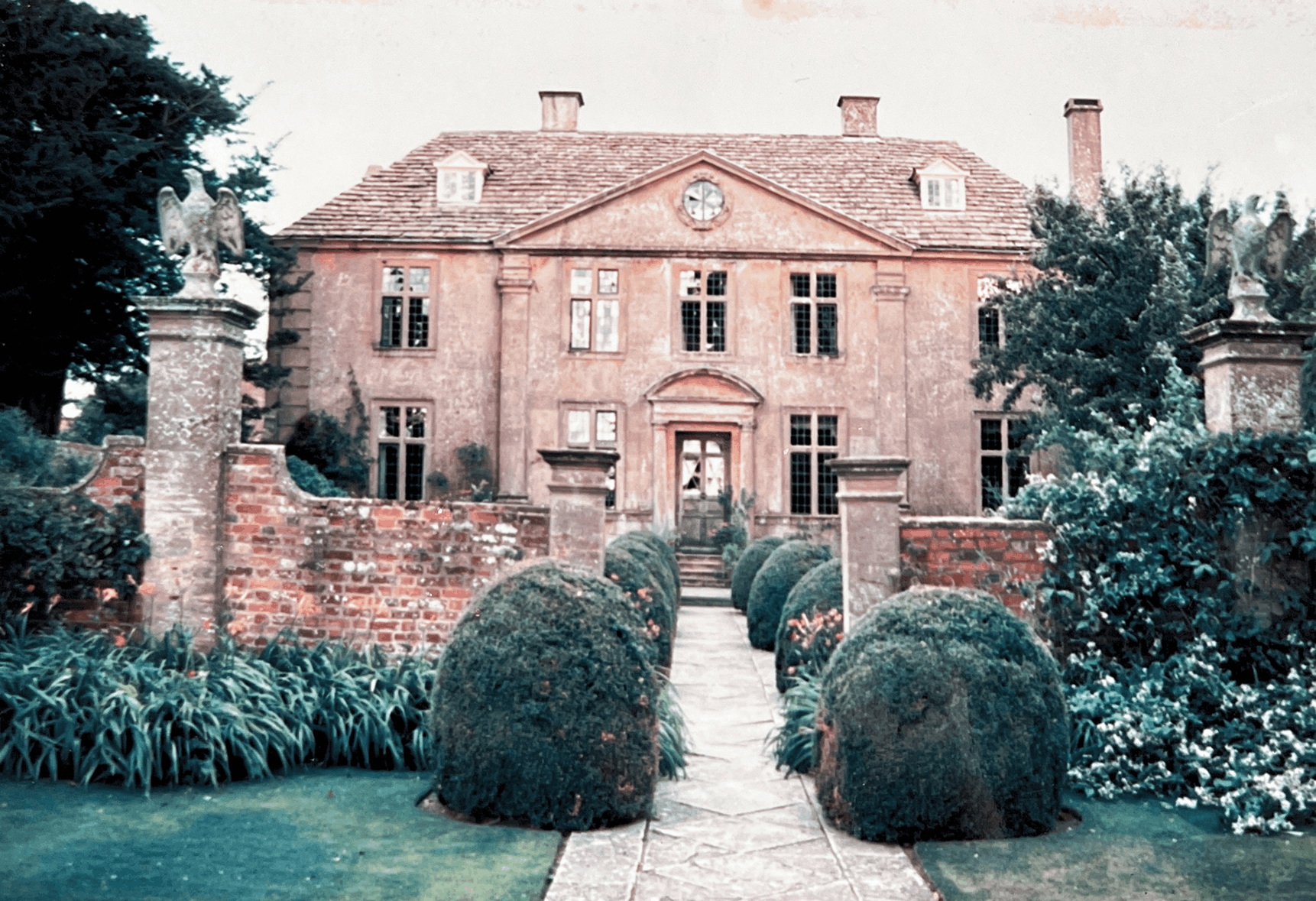
Tintinhull: Making it Her Own
After years of difficulty, Penelope eventually found the courage to leave her marriage — walking away from Hadspen, and the garden she had made, at enormous personal cost. Local society called her ‘a bolter’.
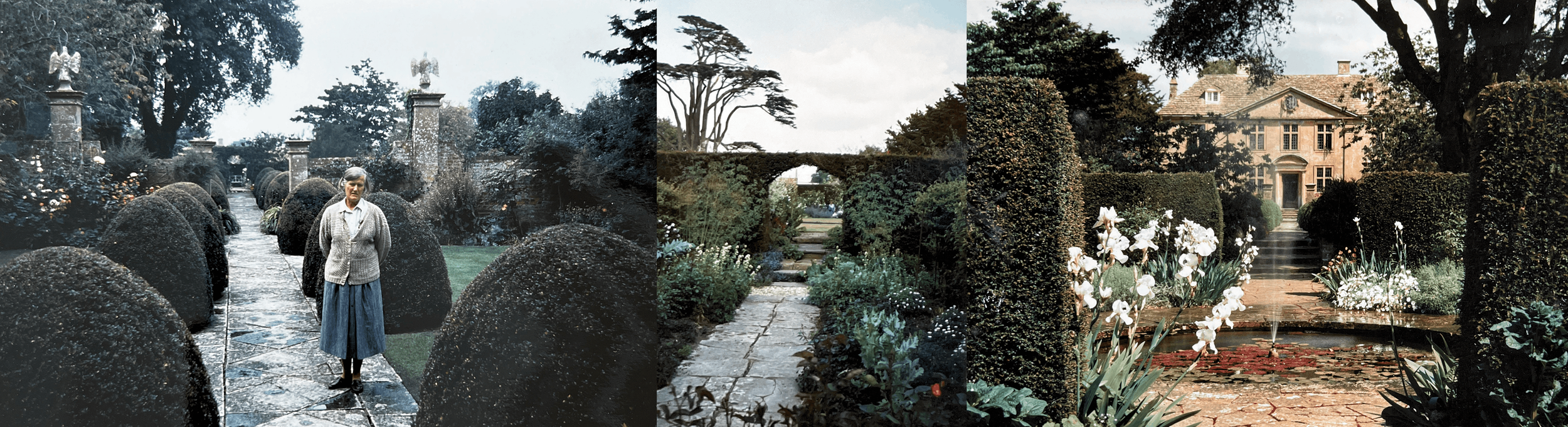
But through the Garden History Society, she met Professor John Malins — who offered the unconditional support she had never known. Then came the letter that changed everything. In 1980, she and John were offered the tenancy of Tintinhull — the very garden that had first lit the spark. Here, her signature style fully crystallised, working with the original design of Phyllis Reiss: formal structure with informal planting.
This became the foundation of Penelope’s own design philosophy. It was a style that felt entirely natural but was, in fact, the result of deep thought.
Penelope’s life changed again when her 1985 book Colour in Your Garden became an international sensation — the first book of hers I bought and loved. She was suddenly in demand worldwide — as a designer, a lecturer, and a voice of authority on the history of garden-making.
Gardens of the World
She was then asked to consult on a television series fronted by film star, Audrey Hepburn. When Audrey came to Tintinhull in the summer of 1990, the two women found an immediate, genuine connection — plants, it turned out, were the great leveller. Audrey confided that if she could garden the way she dreamed, Tintinhull was exactly what she’d want.
Betticombe: Grief And Renewal
At the height of her professional success, Penelope suffered a devastating blow. John Malins — her second husband and steadfast supporter — died unexpectedly. It was a profound loss. Once again, she had to find a way to rebuild her life.
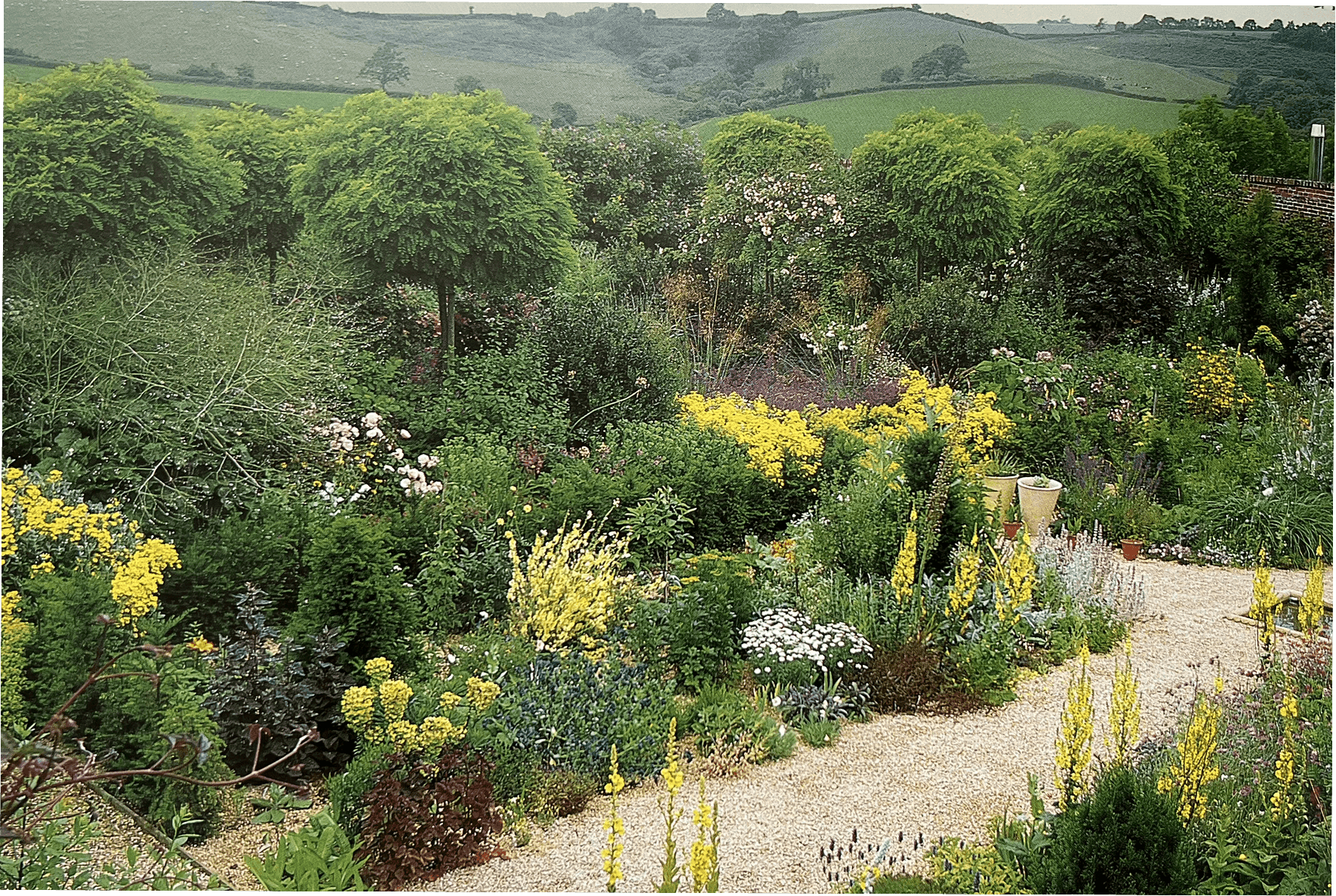
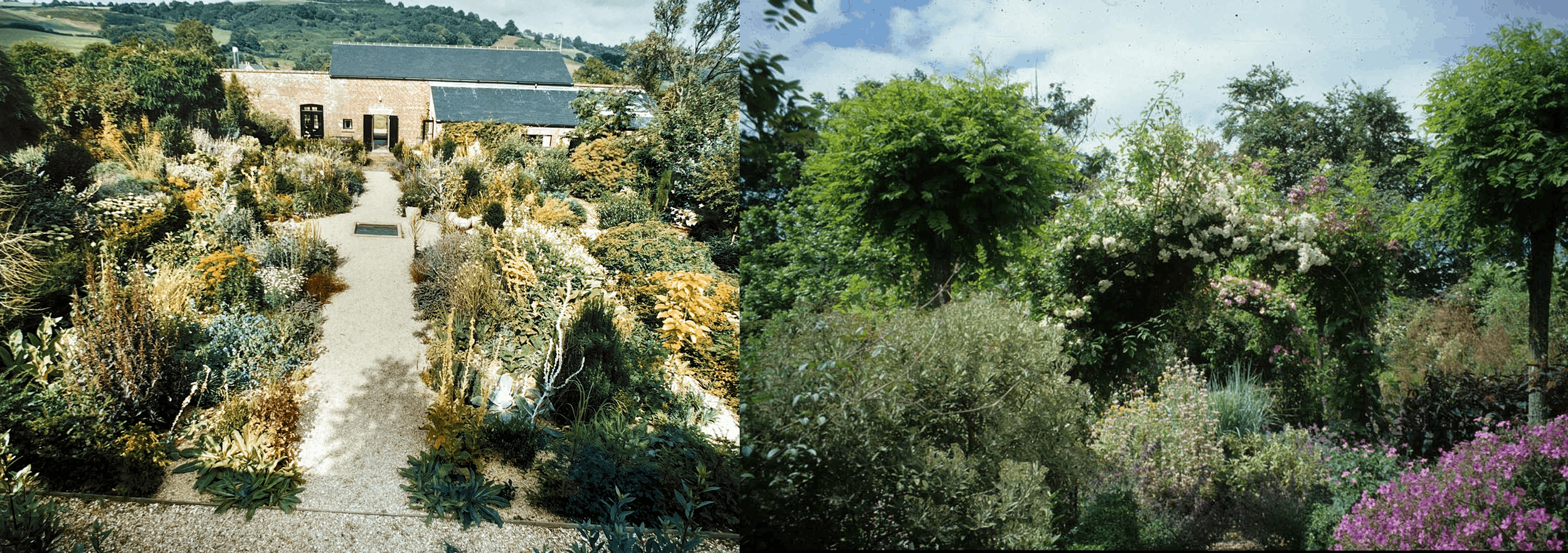
She moved to Bettiscombe in Dorset, to the house she and John had bought together but never lived in, and she did what she had always done in the face of difficulty. She made a garden.
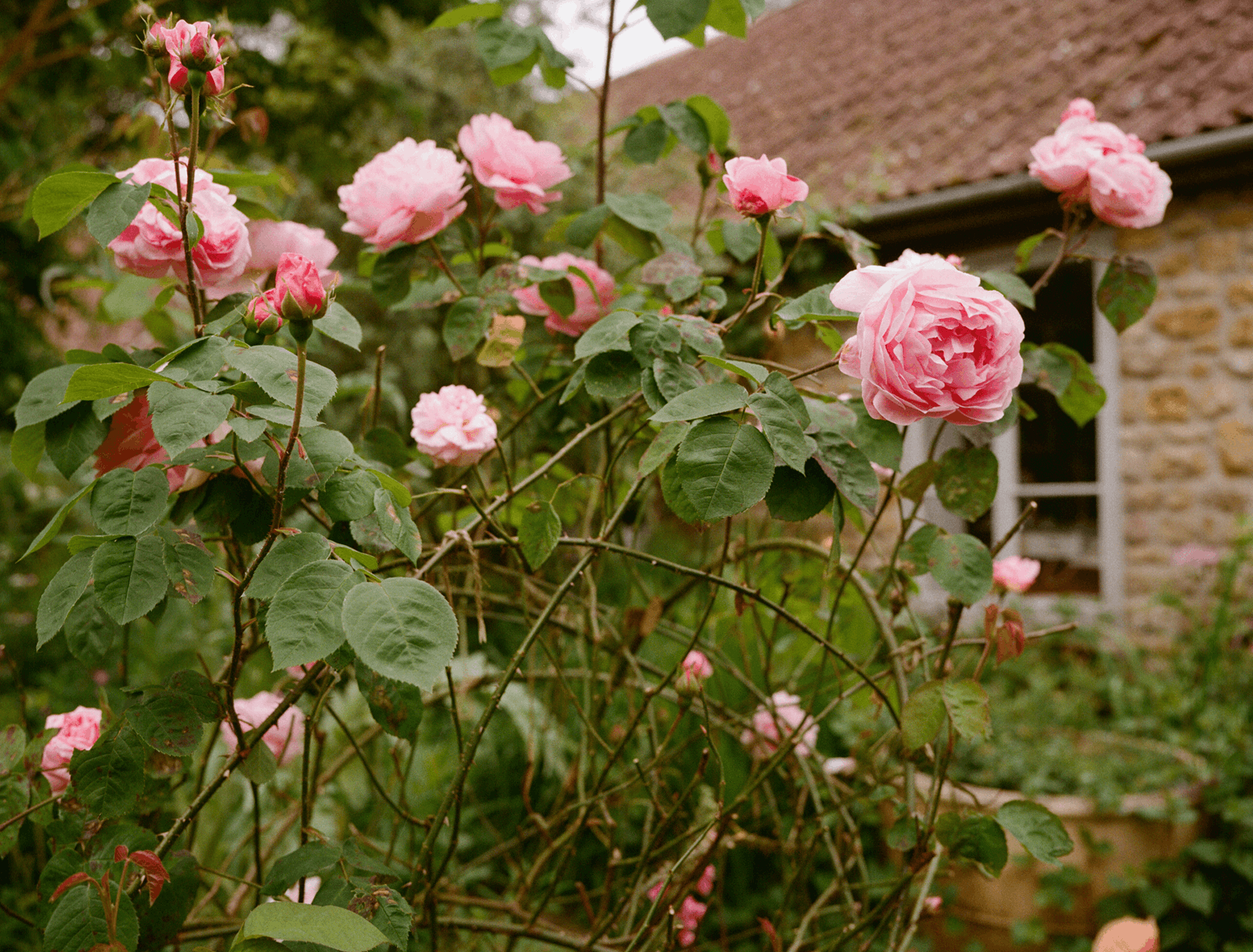
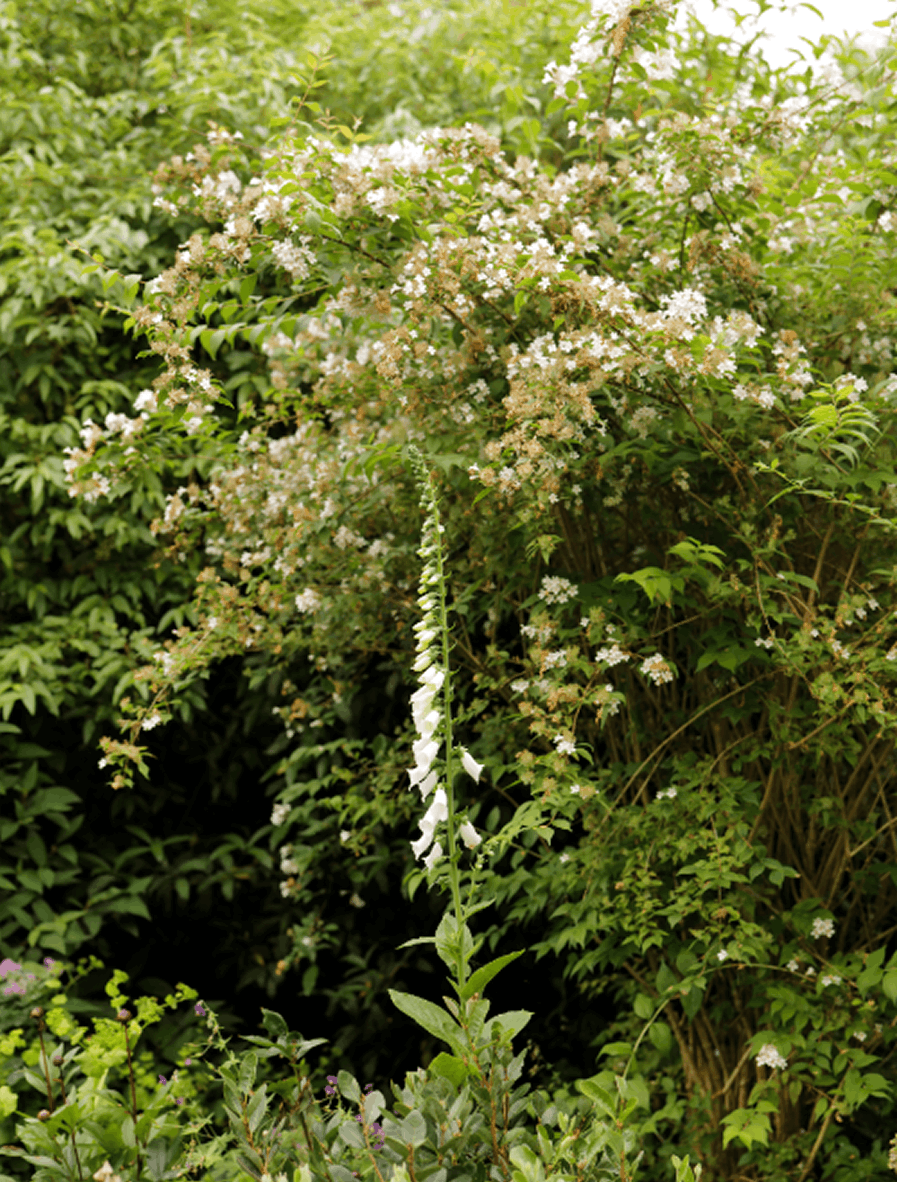
If Tintinhull was where her philosophy was refined, Bettiscombe was where it was fully realised on her own terms — no landlord, no committee. Just her eye and her knowledge, accumulated over decades. Within the garden’s strong framework, there was a generosity of planting that felt almost wild. Shrubs tumbled where they chose. Perennials drifted and intermingled.
Persian Gardens: A Scholar's Eye
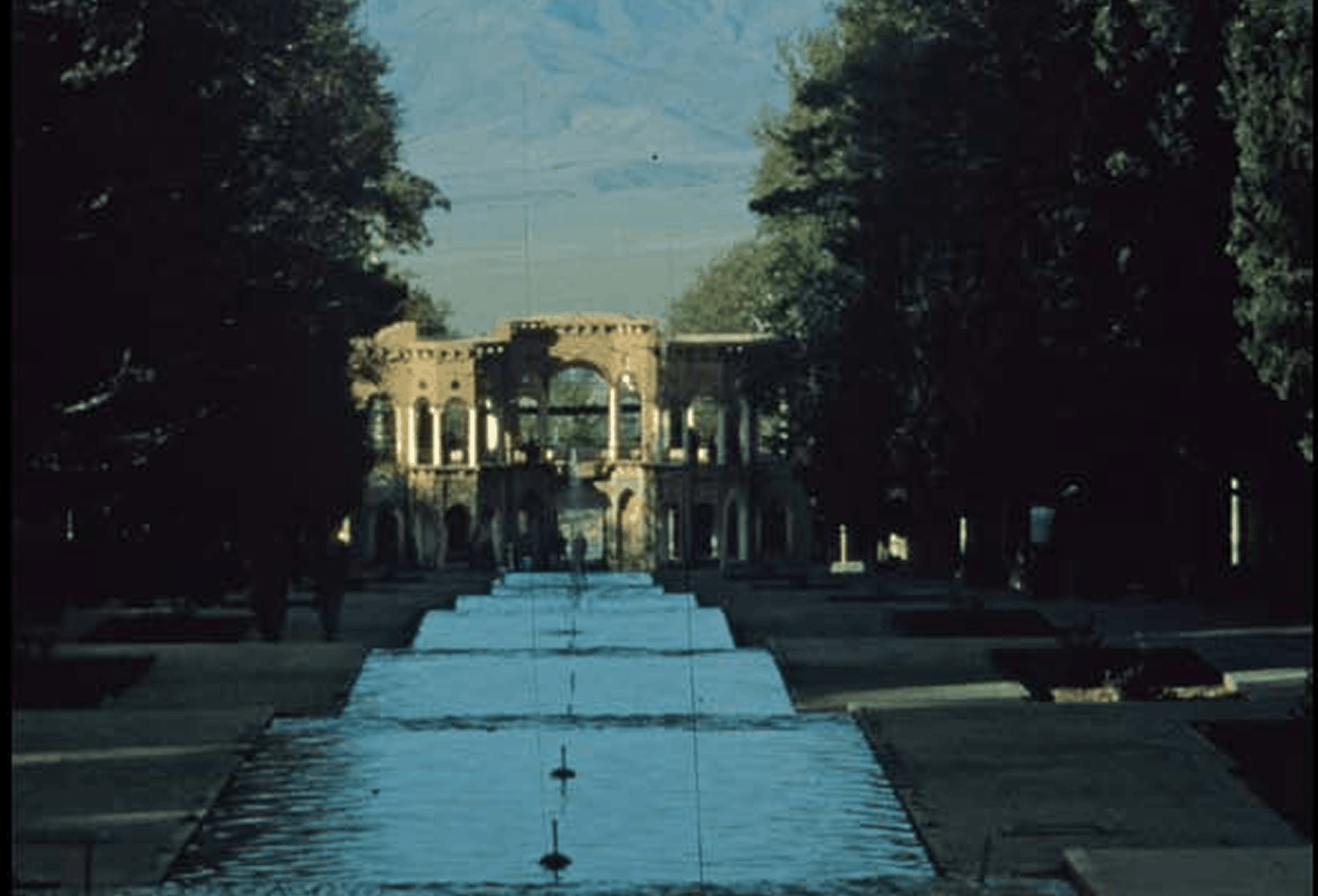
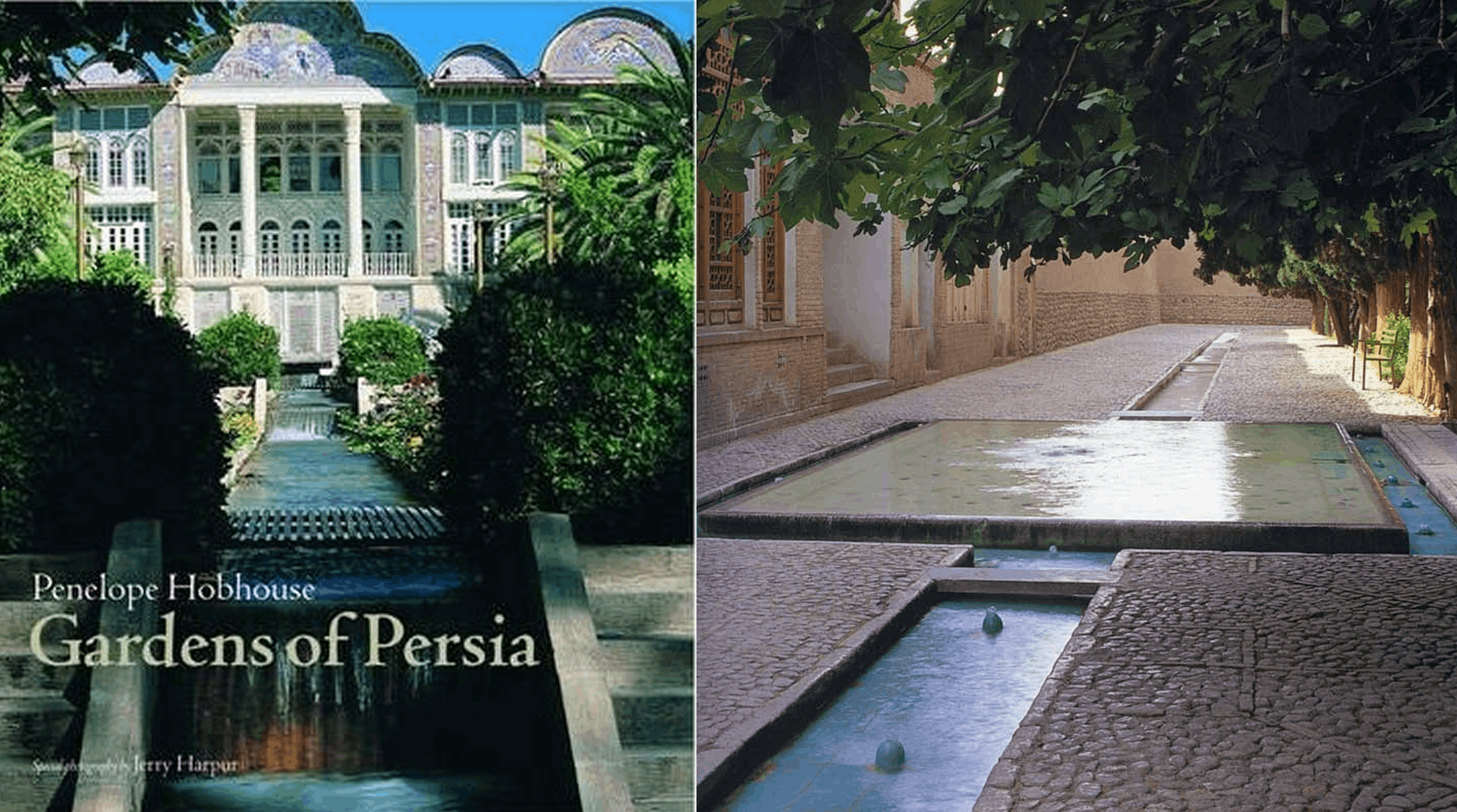
Alongside her design practice, Penelope became a serious horticultural historian. And nowhere did that scholarship run deeper than in her study of garden history and, in particular, Persian gardens. She traced their journey from Iran through Mughal India and into the formal gardens of Renaissance Europe.
That India trip in 2008 — where I first met her — was itself an expression of this lifelong passion. She wasn't simply leading a tour. She was reading those Mughal gardens like texts, explaining their geometry and symbolism to anyone willing to keep pace. Her understanding of why gardens look the way they do — the deep cultural roots beneath the flowers — set her apart from almost every other designer of her generation.
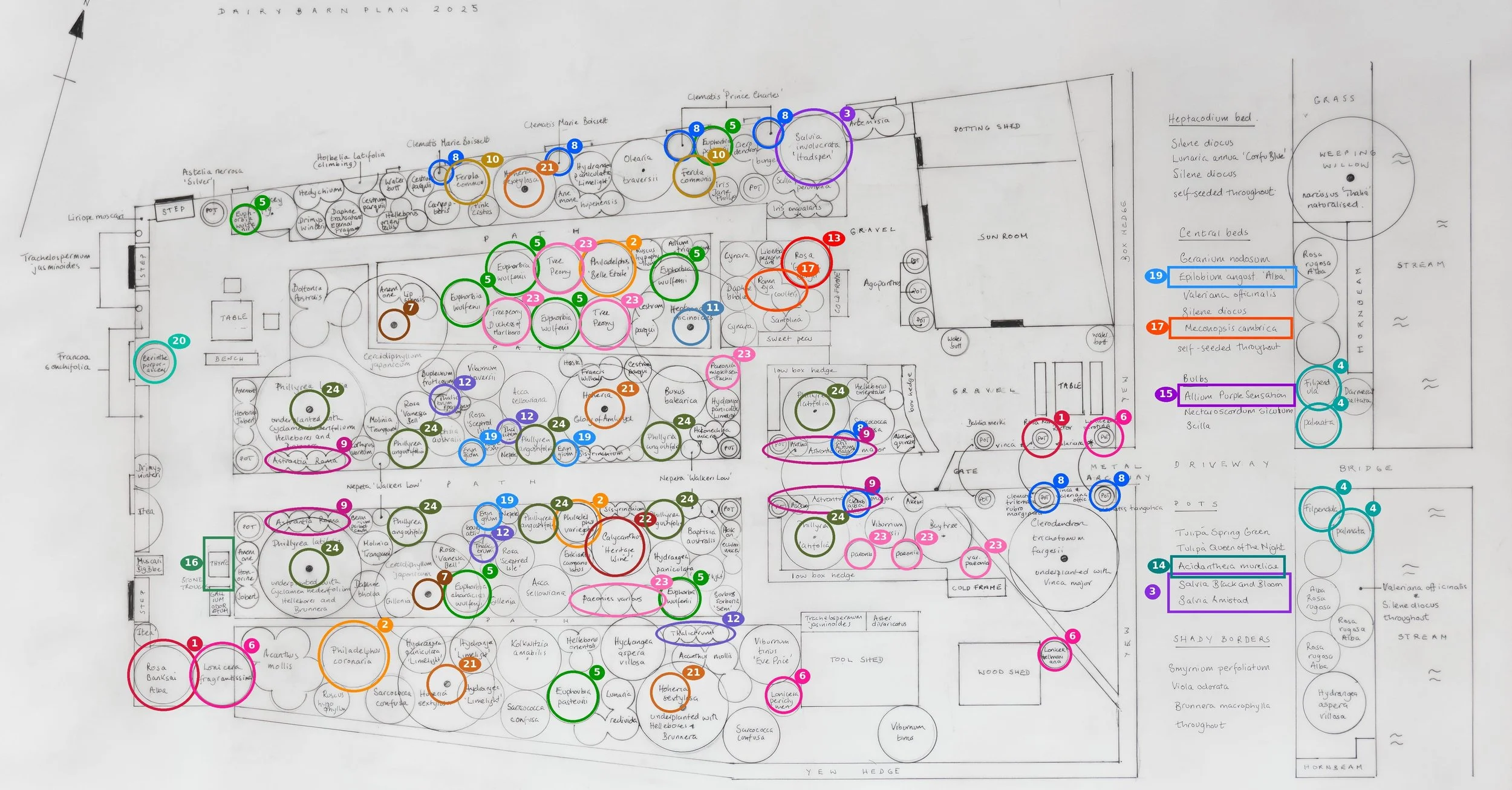
Dairy Barn: Coming Home
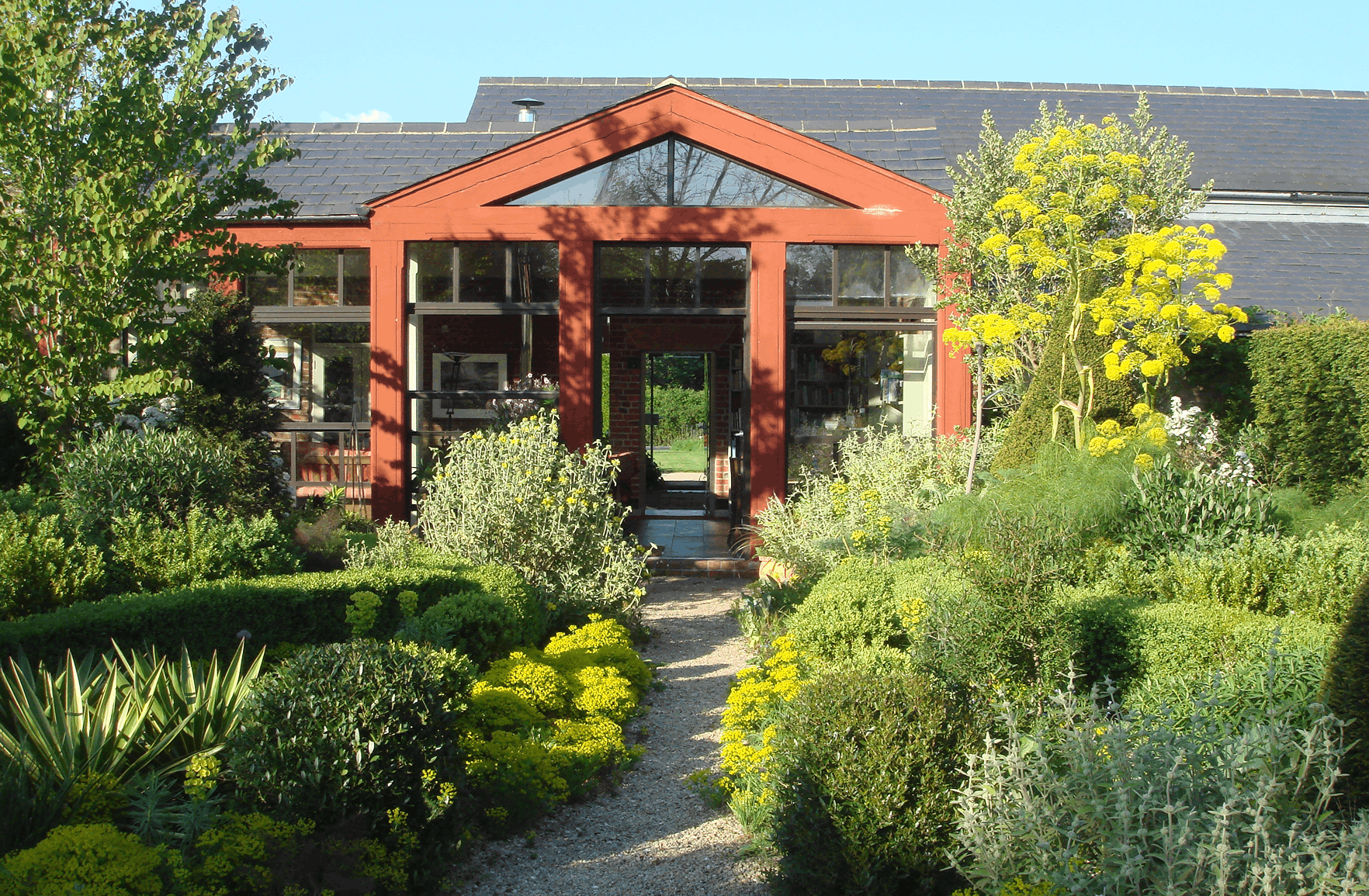
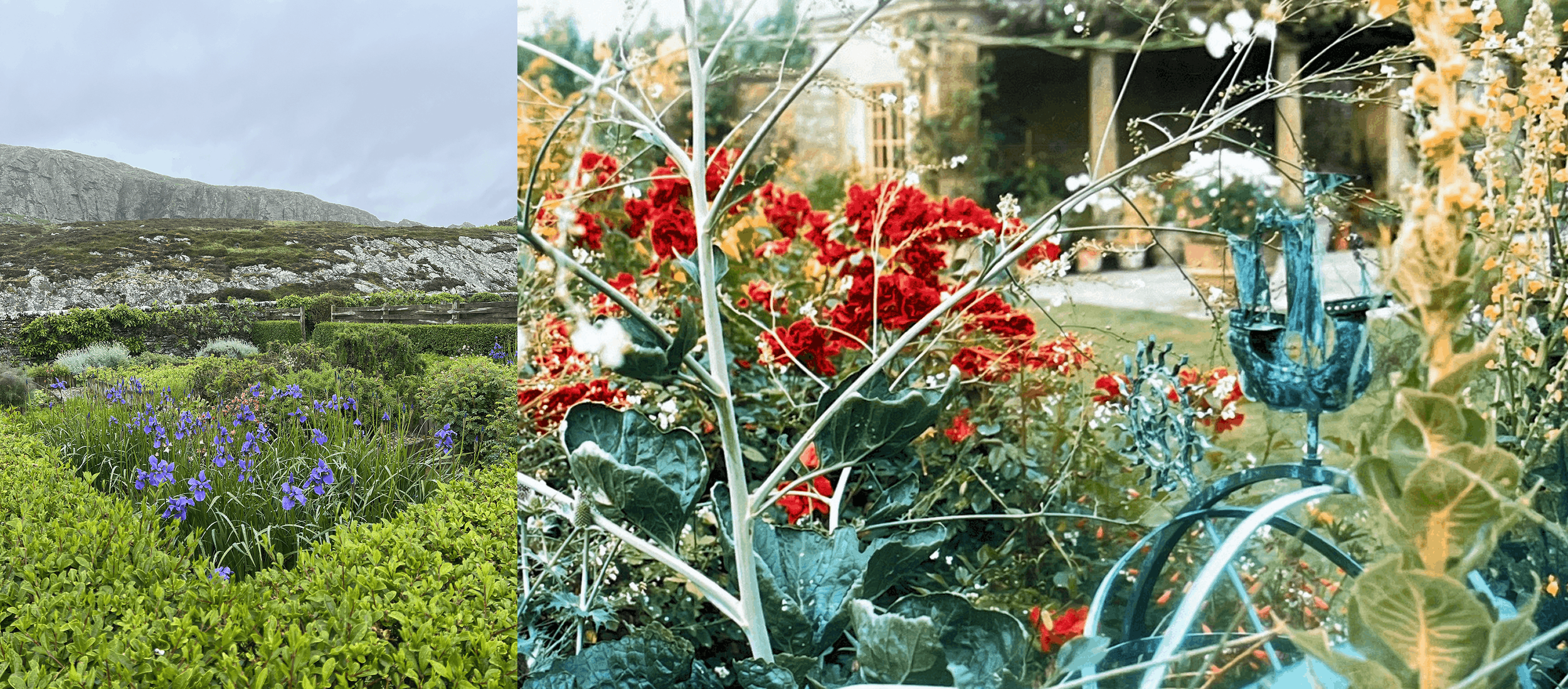
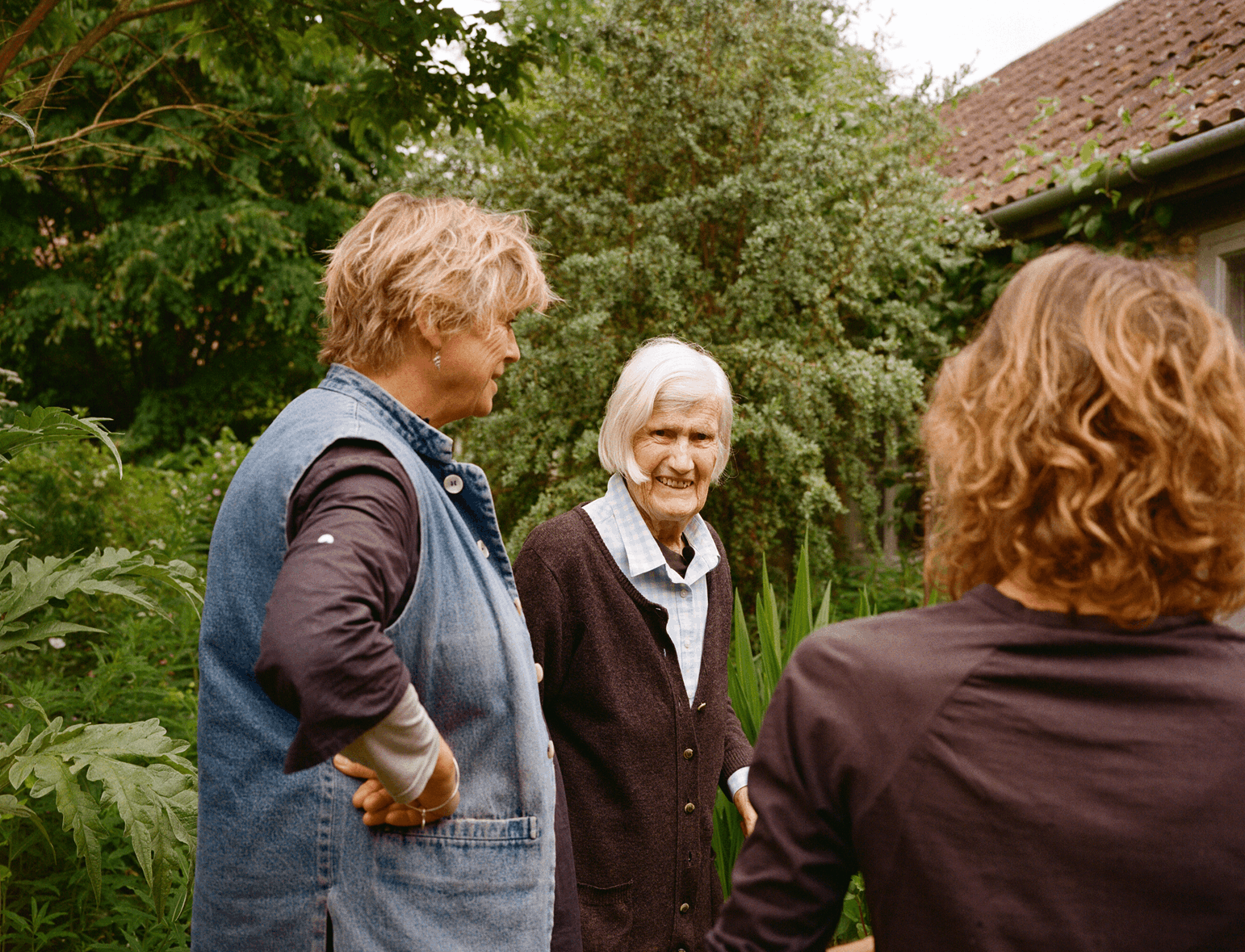
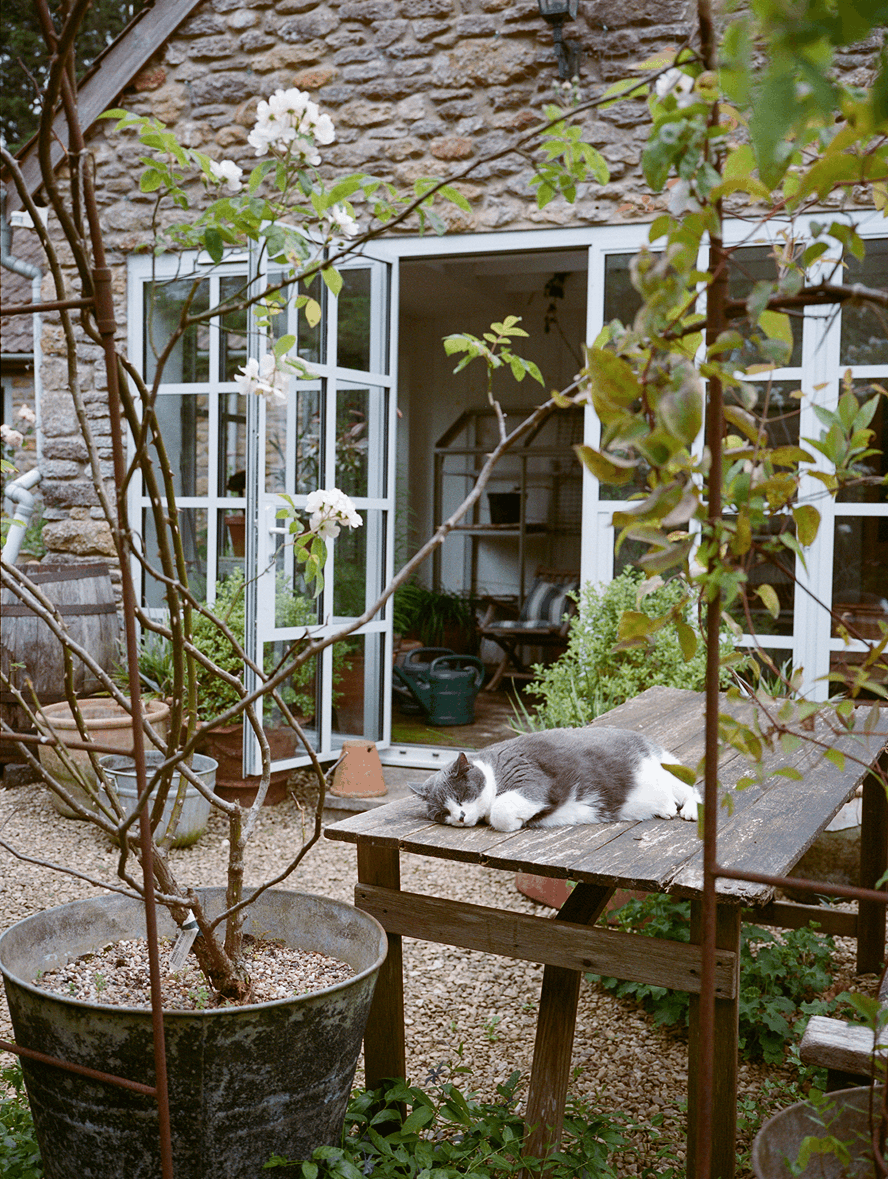
In her eighties, Penelope returned to Somerset — to Pitcombe, near Hadspen, and a house called Dairy Barn.
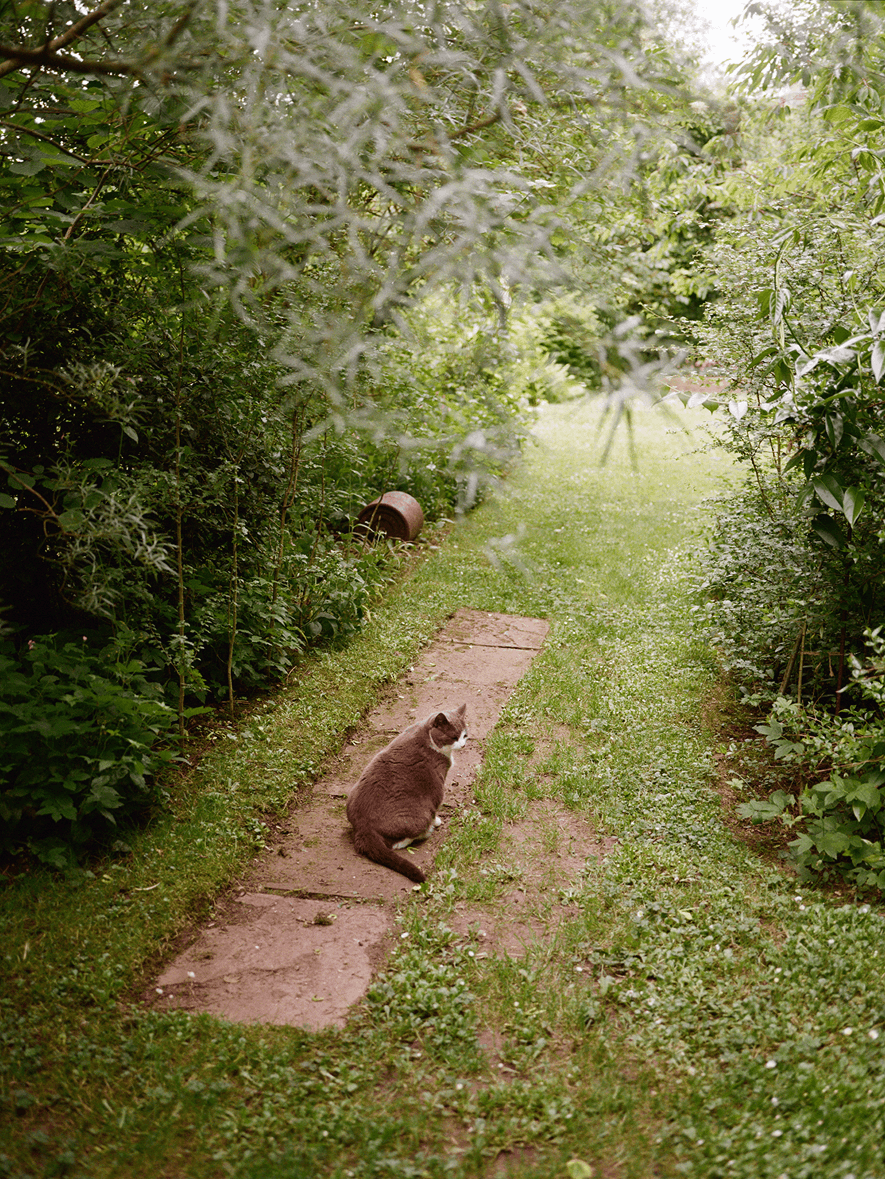
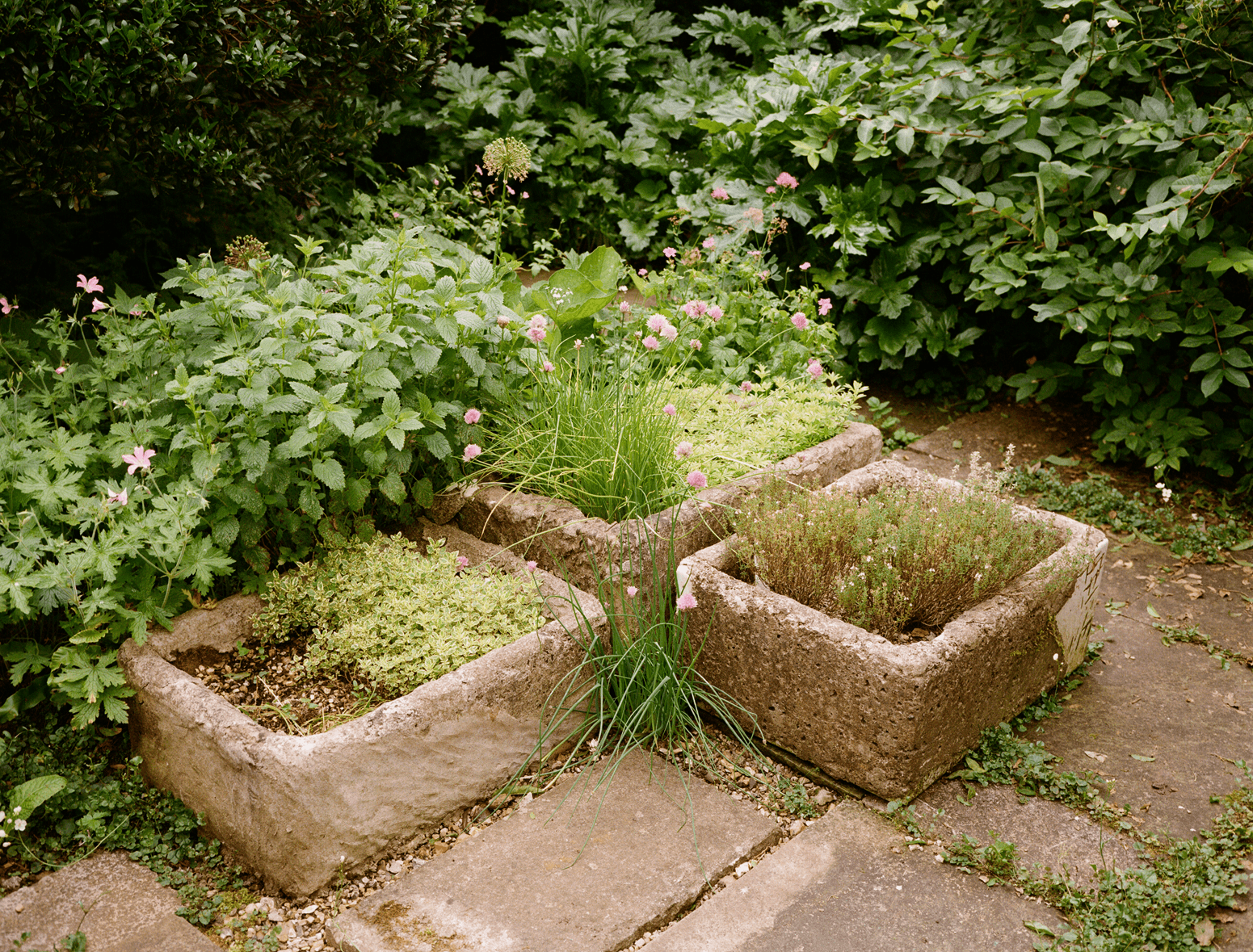
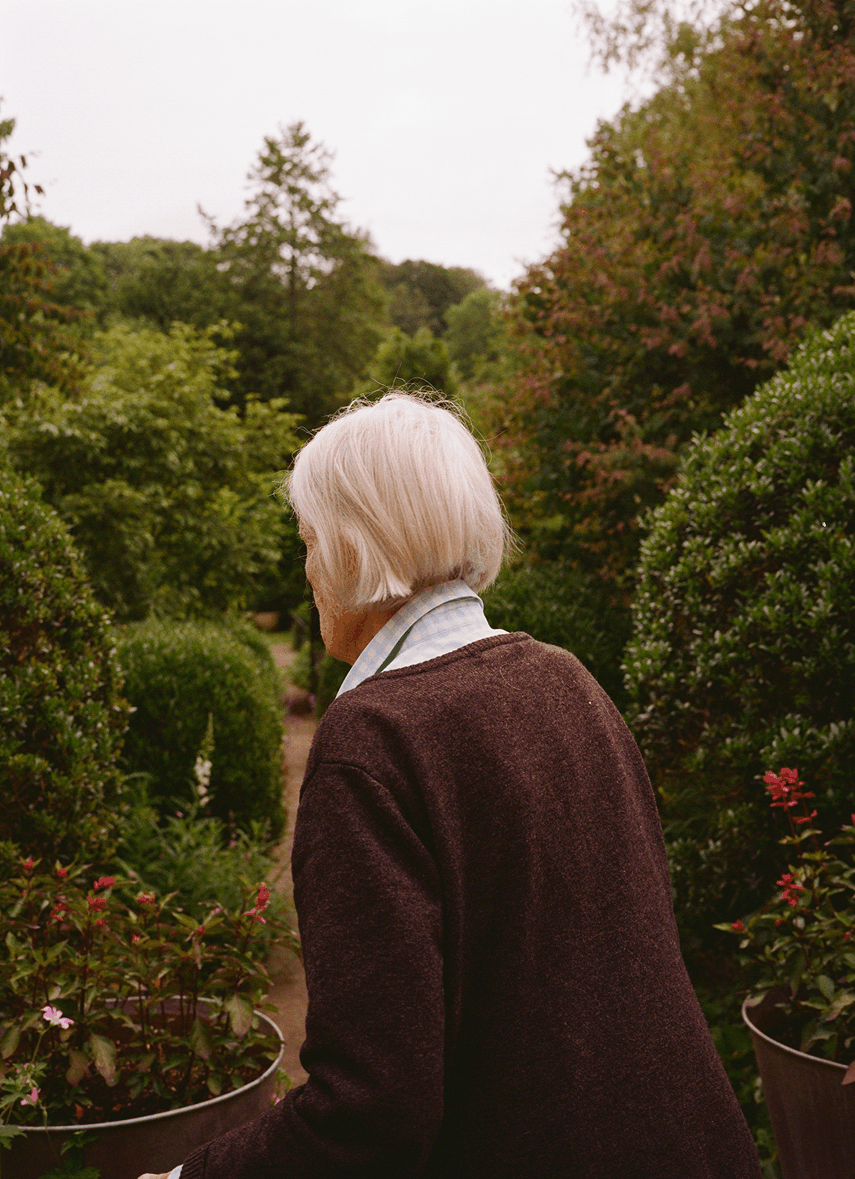
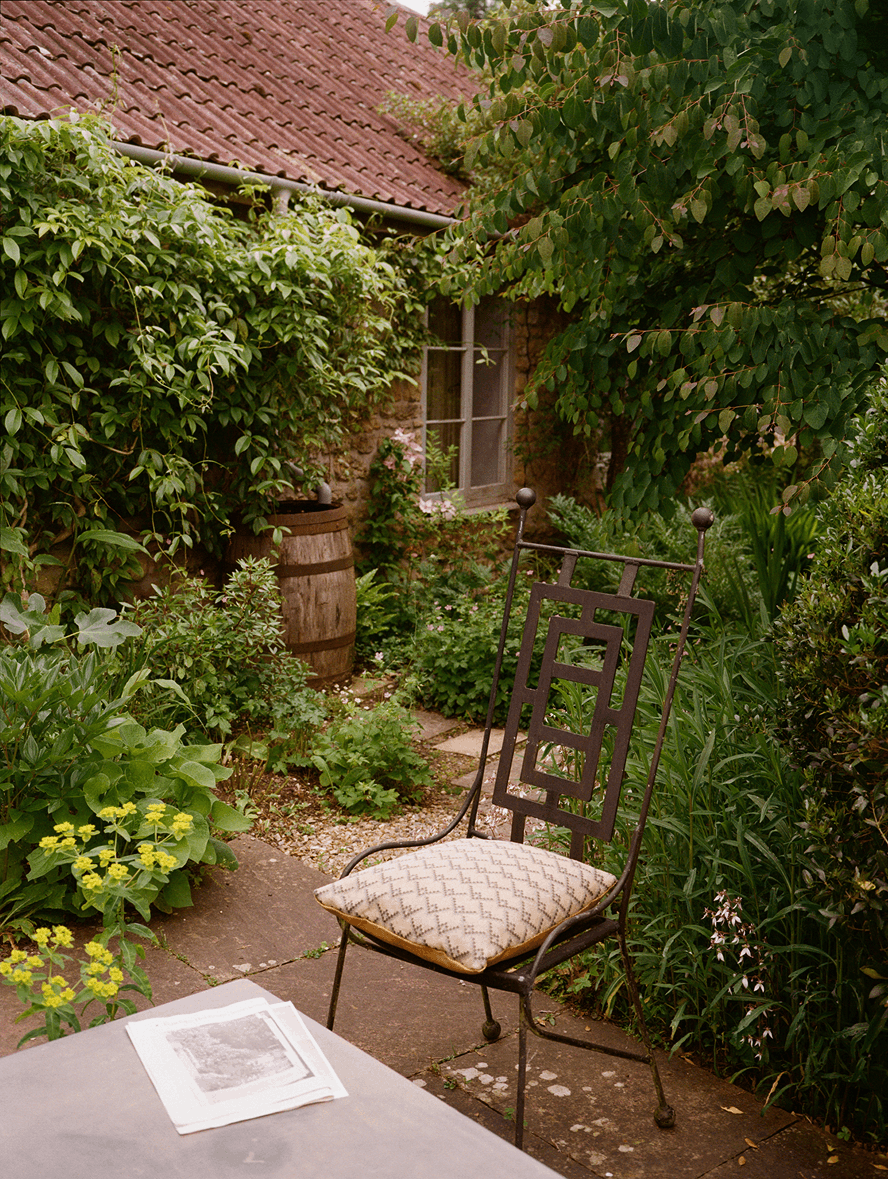
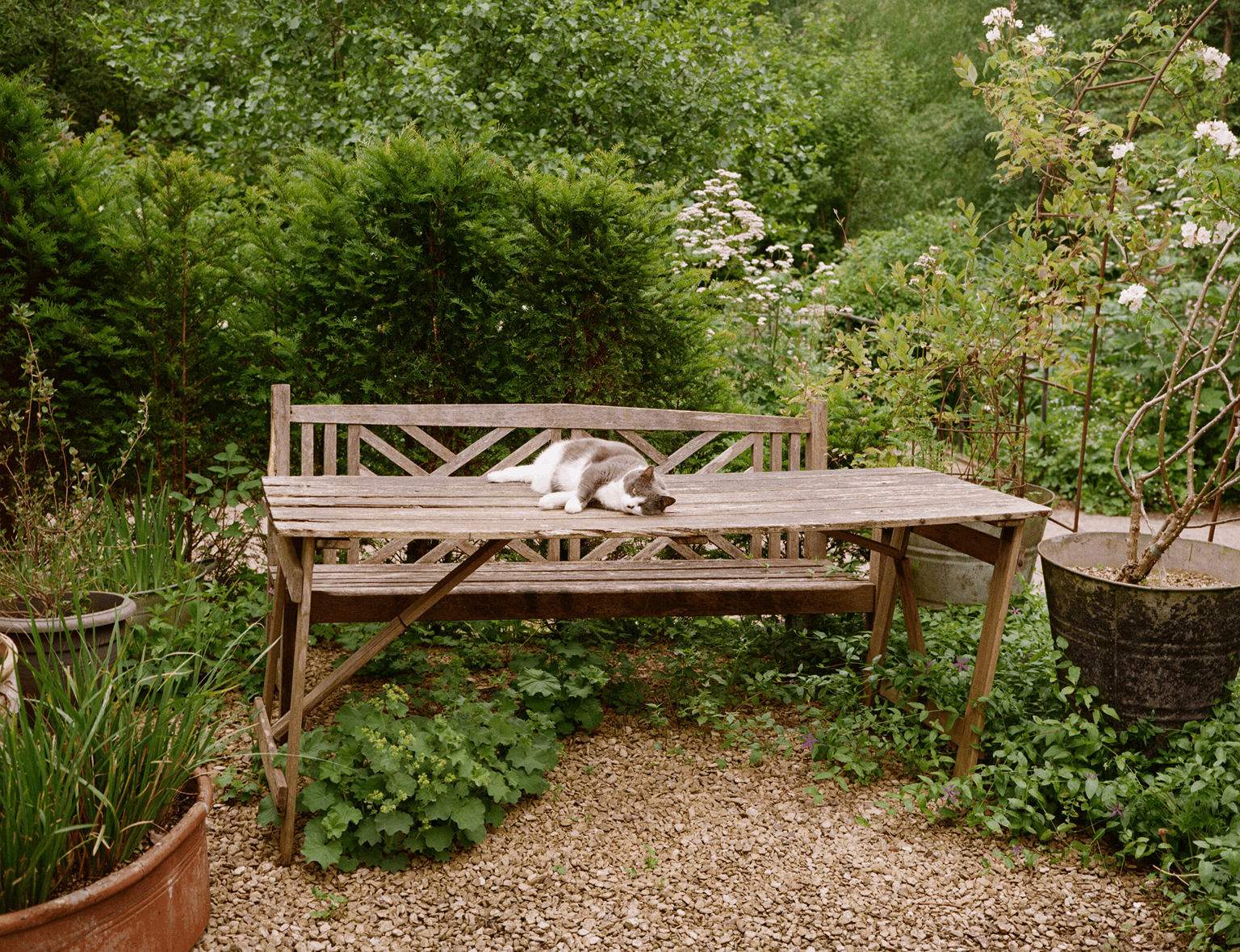
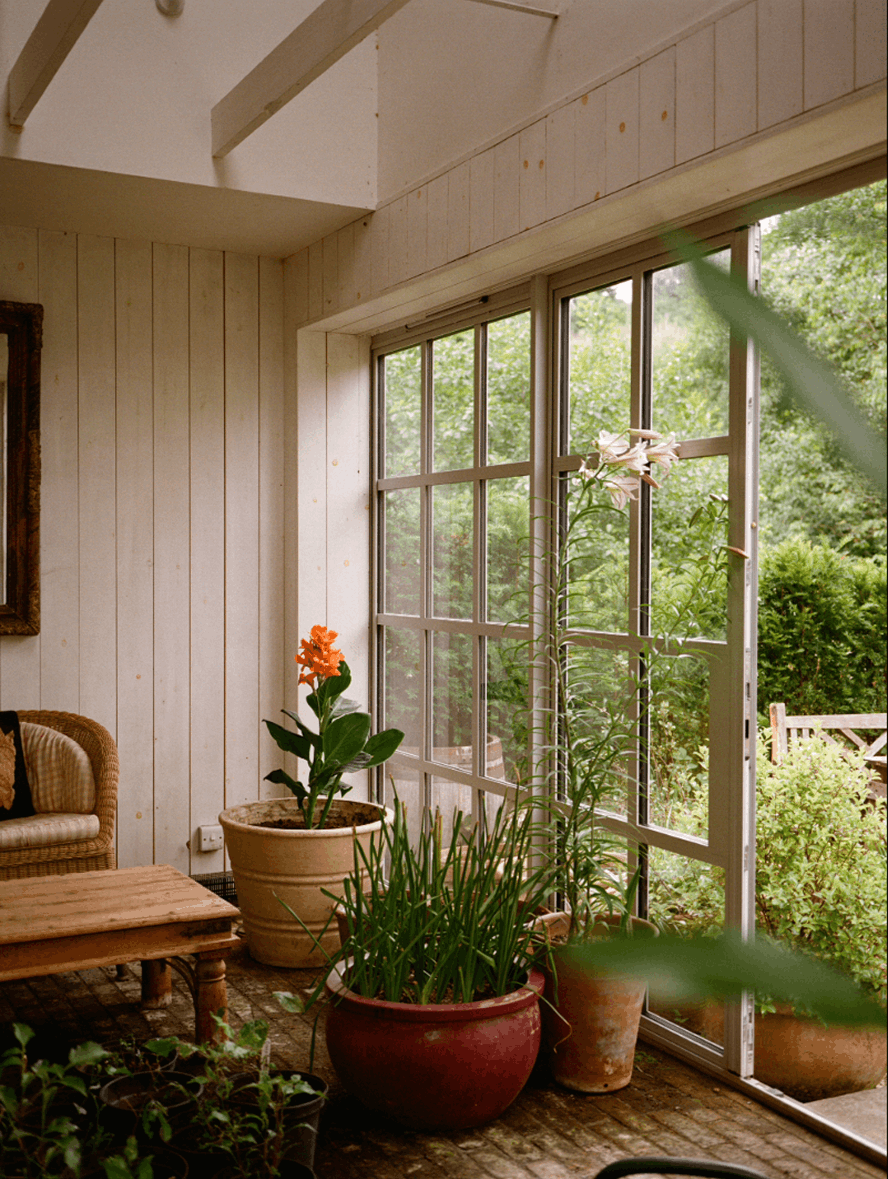
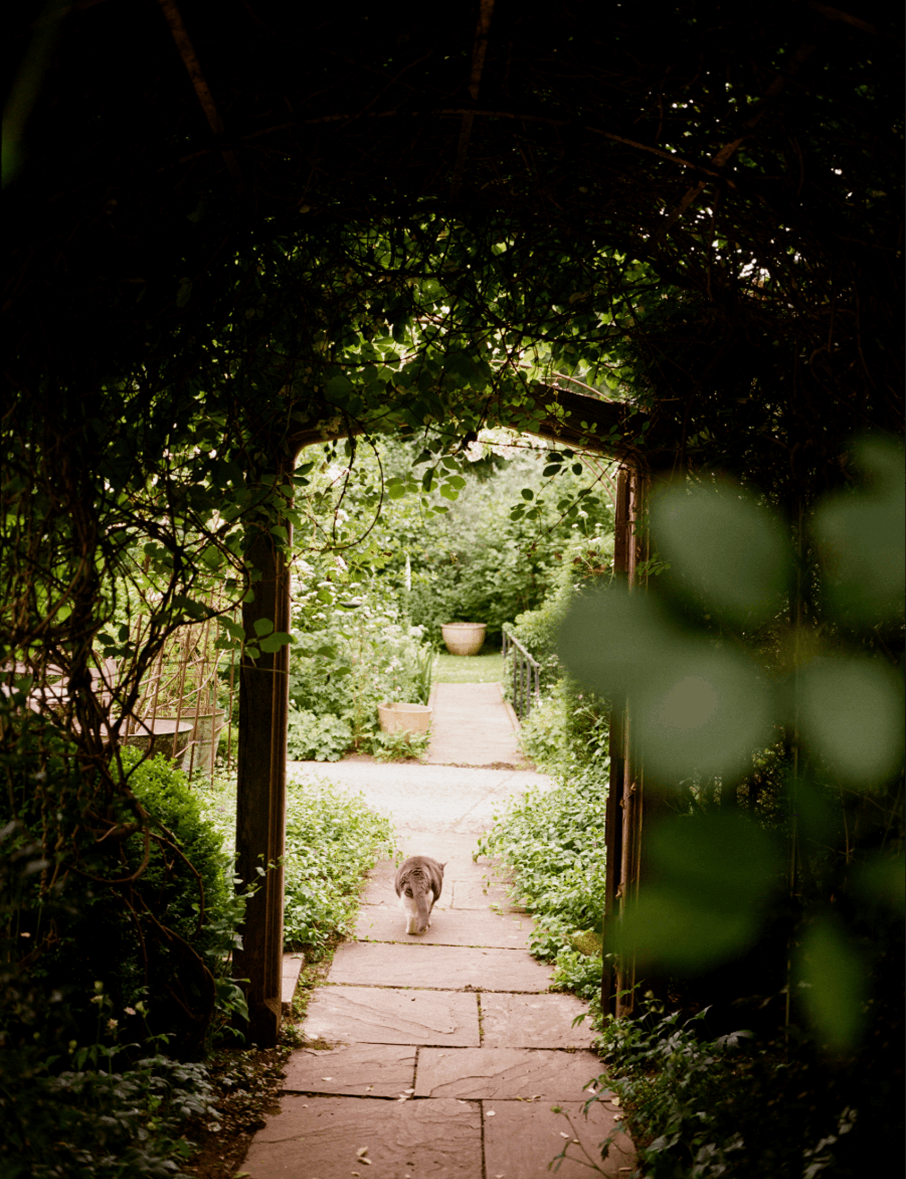
I think the garden she has made there is, in essence, a distilled Bettiscombe — the same principles at work in a more intimate space. Formal structure, informal planting. Everything considered, nothing wasted.
And the circle of her life closes in the most touching way. John and Faith Raven — the Cambridge botanist and his wife who first guided her tentative steps into horticulture all those decades ago — had a daughter, Sarah. Sarah Raven has herself become one of Britain's most beloved gardeners and garden writers. And she is Penelope's goddaughter. That Penelope's story began with the Ravens, and that it continues in Sarah — in the same passion, the same seriousness, the same belief that gardens matter.
Penelope designed gardens for wealthy and famous clients across the world: for Baron Elie de Rothschild in France, Jil Sander in Germany, and Steve Jobs in California. She designed the Country Garden at Wisley for the RHS, and a garden at Walmer Castle to mark the Queen Mother's 95th birthday.
I’ve just finished her biography. Every conversation, every letter, every garden visited along the way has deepened my understanding not just of her work, but of what it means to spend a life in devoted, serious pursuit of perfection.

A Walk in the Garden
with Penelope and Sarah Raven
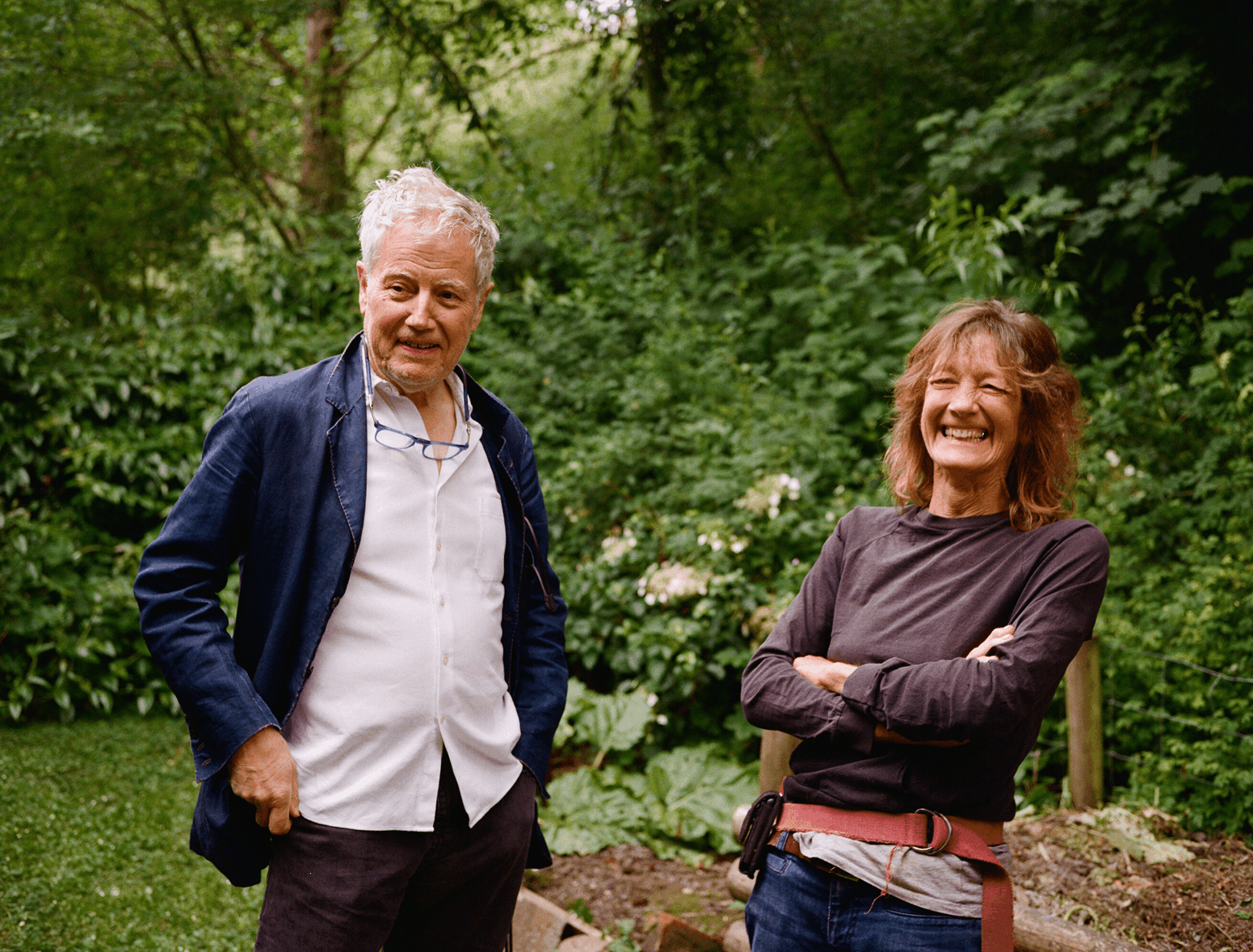
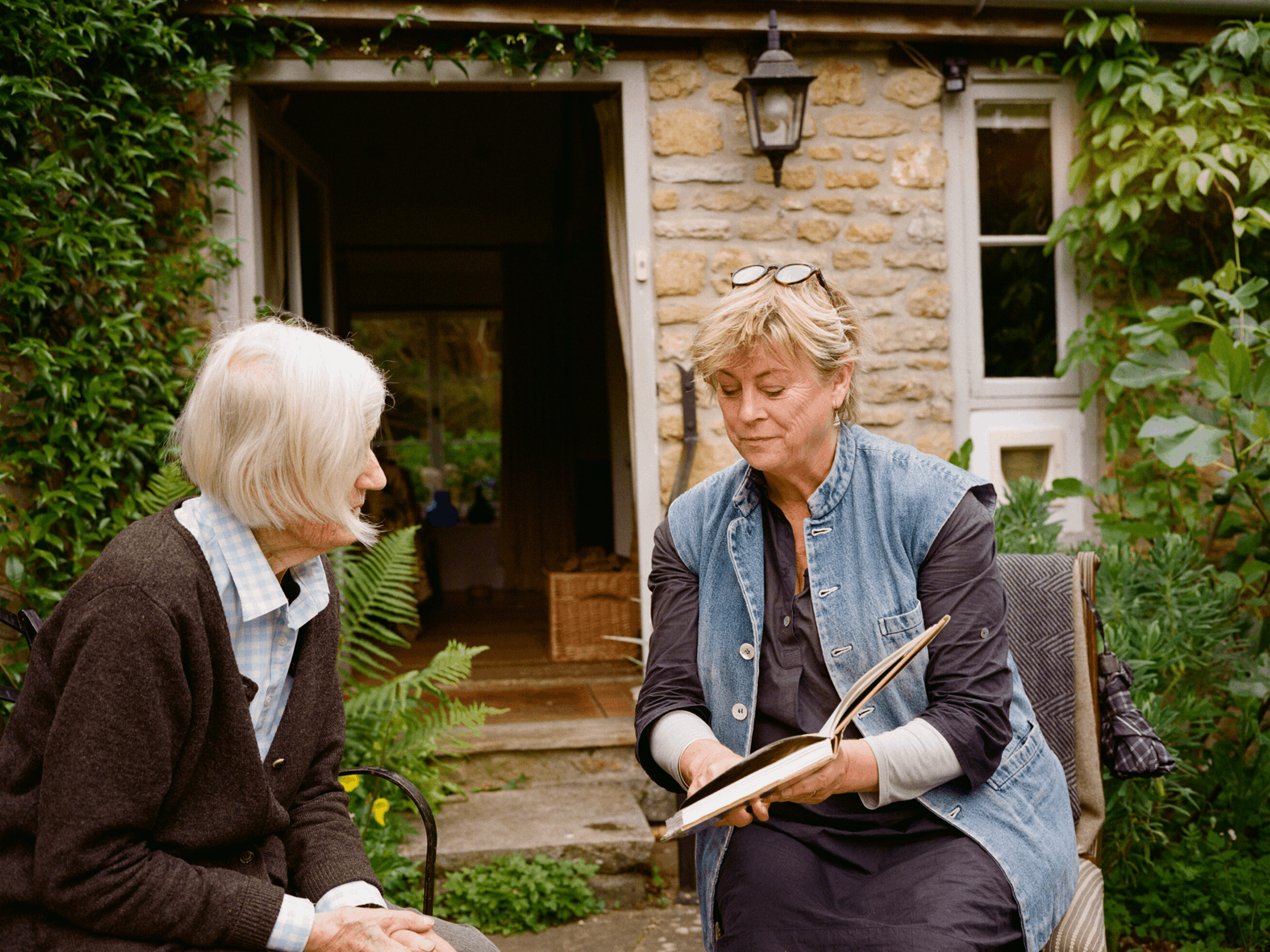
In a conversation with her goddaughter Sarah Raven, Penelope reflects on colours and structure, on the joy of plants and the responsibilities of a gardener.
‘A garden should look just as good in a black and white photo as in a coloured photo.’
Sarah: I remember you saying to me when I started gardening, “A garden should look just as good in a black and white photo as in a coloured photo.”
And I didn't agree with you. I absolutely love very strong colour, and colouring gardens is just totally what draws me in. We are poles apart in that.
Penelope: How awful of you!
Sarah: I'm very disobedient. But it's true because you were incredibly into structure and architecture, and I wasn't. I was into flowers and frothiness. You were quite austere and correct, and I was all foo foo and silly.
As gardeners, I think that's how we differ so much. But my dad got you, not got you gardening, because you got you gardening, but I think he met you, he liked you…
Penelope: He used to take us all for walks. I said, “Well, of course I'll come, but I don't know anything about plants or walking.”
‘When I fell in love with plants, which I did when I went to Tintinhull, I wrote to your father and said, “I've discovered what it's all about.’”
Sarah: Yours and his thing was that it shouldn't be about cleaning the house or cleaning the garden or housekeeping or garden keeping. It should be about more of a creative, more artistic process than that.
Penelope: Sounds like a good idea. Somebody's got to clean the house …
Sarah: You do have to clean the house too! Definitely true.
How much of your time are you still in the garden?
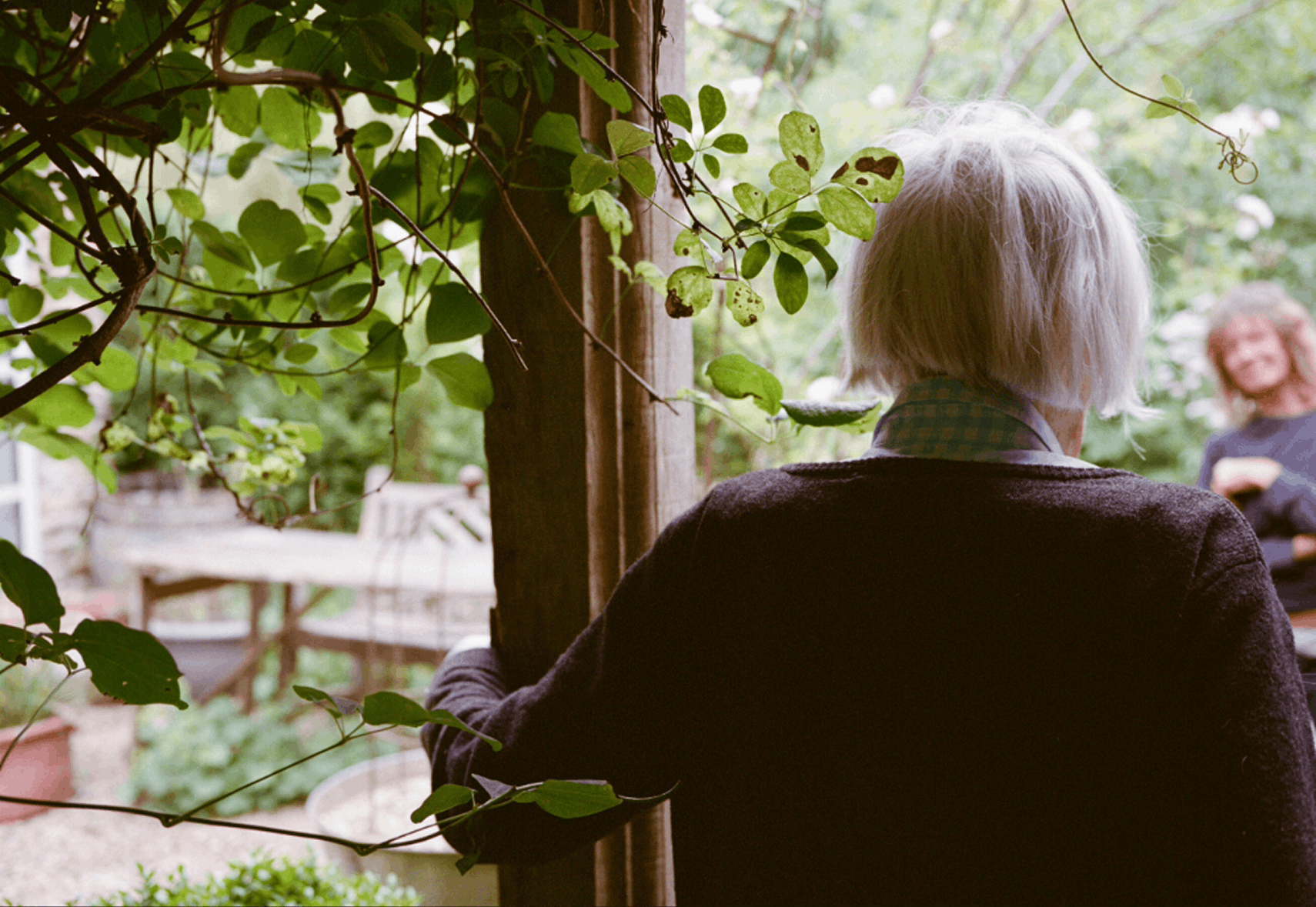
Penelope: Well, whenever it's a fine day like this, I spend a lot of time in the garden.

Lorem Ipsum is simply dummy text of the printing and typesetting industry. Lorem Ipsum has been the industry's standard dummy text ever since 1966
Dairy Barn
Planting Plan
Lorem Ipsum is simply dummy text of the printing and typesetting industry. Lorem Ipsum has been the industry's standard dummy text ever since 1966
Lorem Ipsum is simply dummy text of the printing and typesetting industry. Lorem Ipsum has been the industry's standard dummy text ever since 1966
Lorem Ipsum is simply dummy text of the printing and typesetting industry. Lorem Ipsum has been the industry's standard dummy text ever since 1966