Cleo Jackson
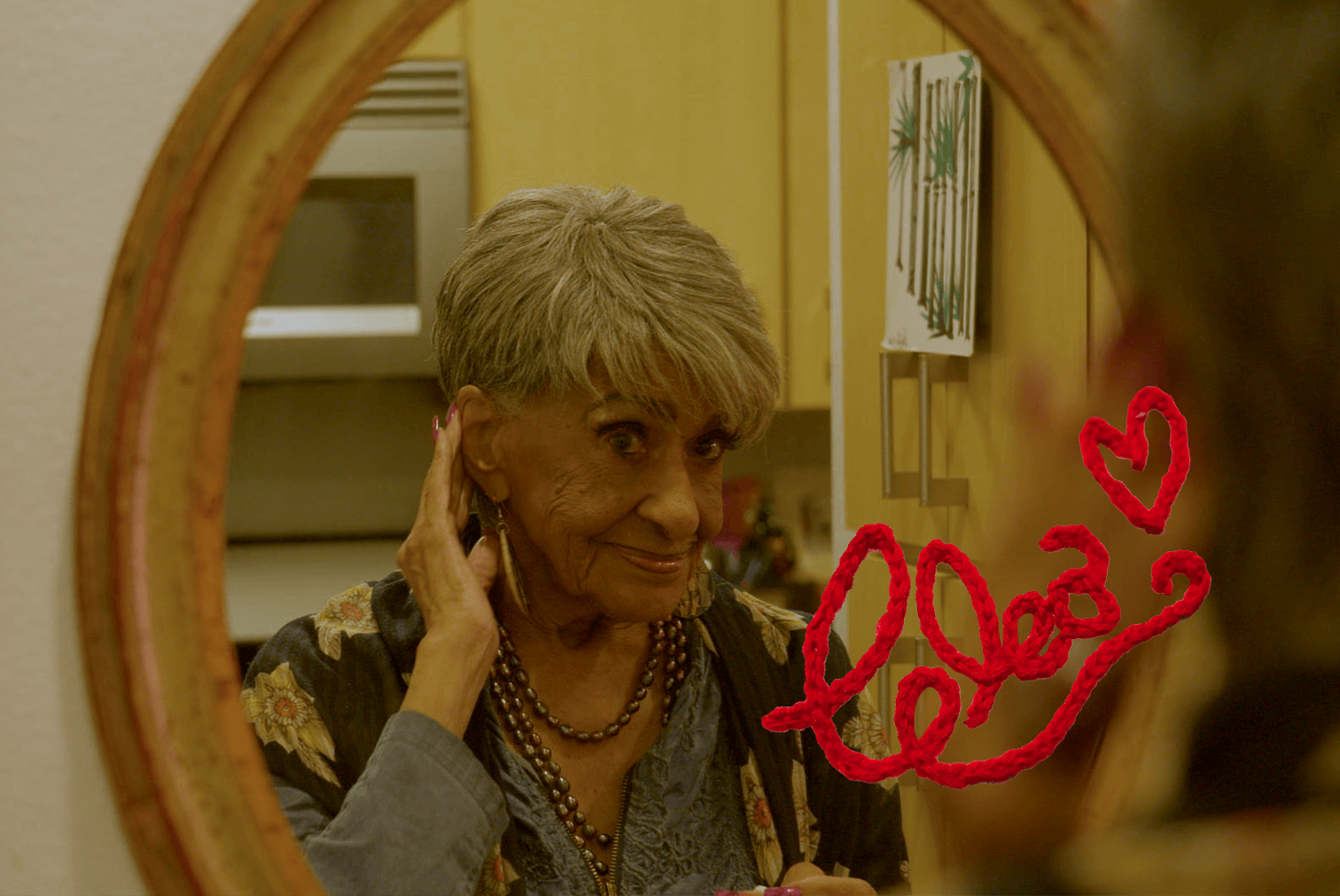
‘Your appearance, your daily attunement, is a way of saying, “Thank you”’
Cleo Hill Jackson
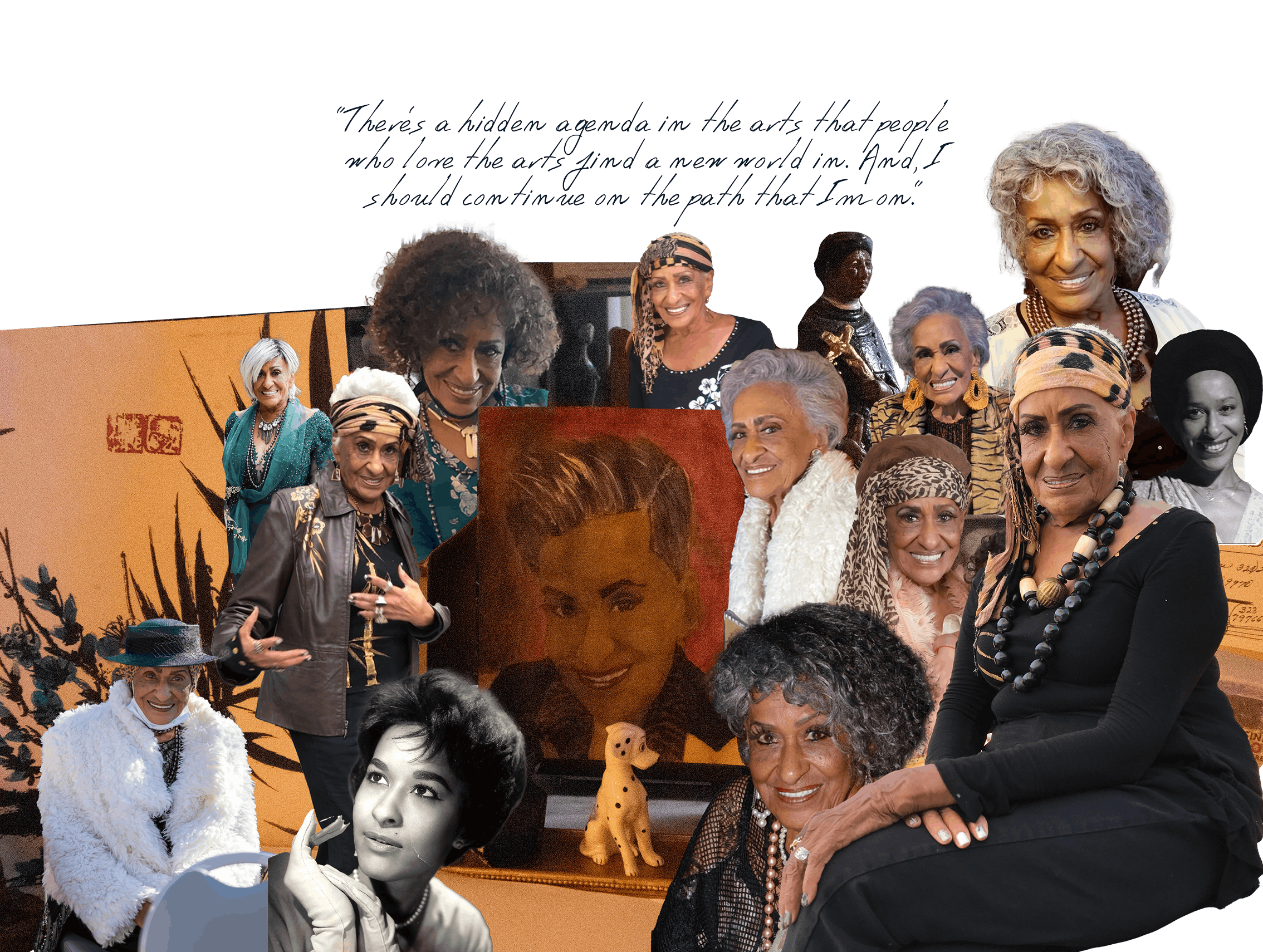
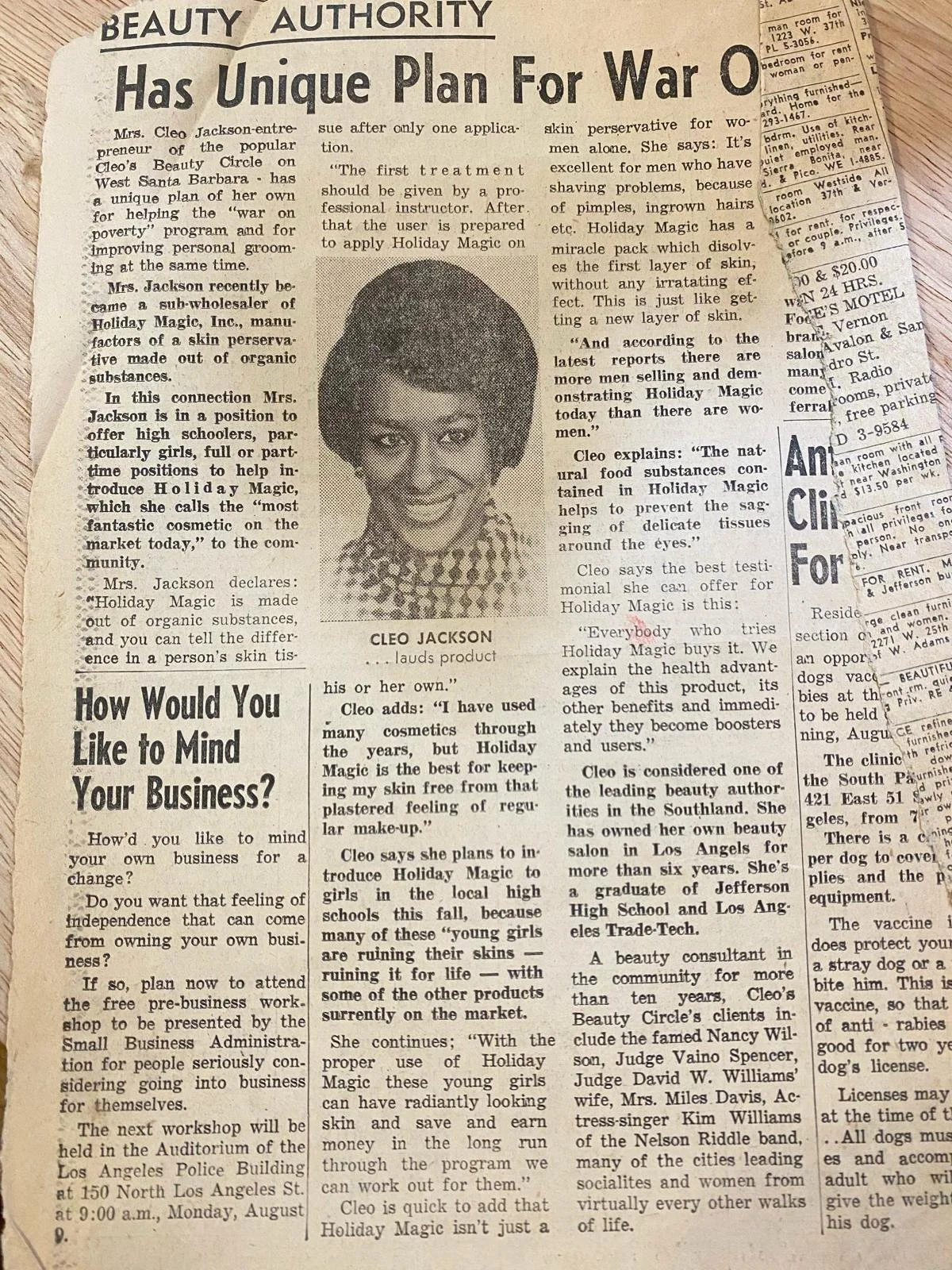
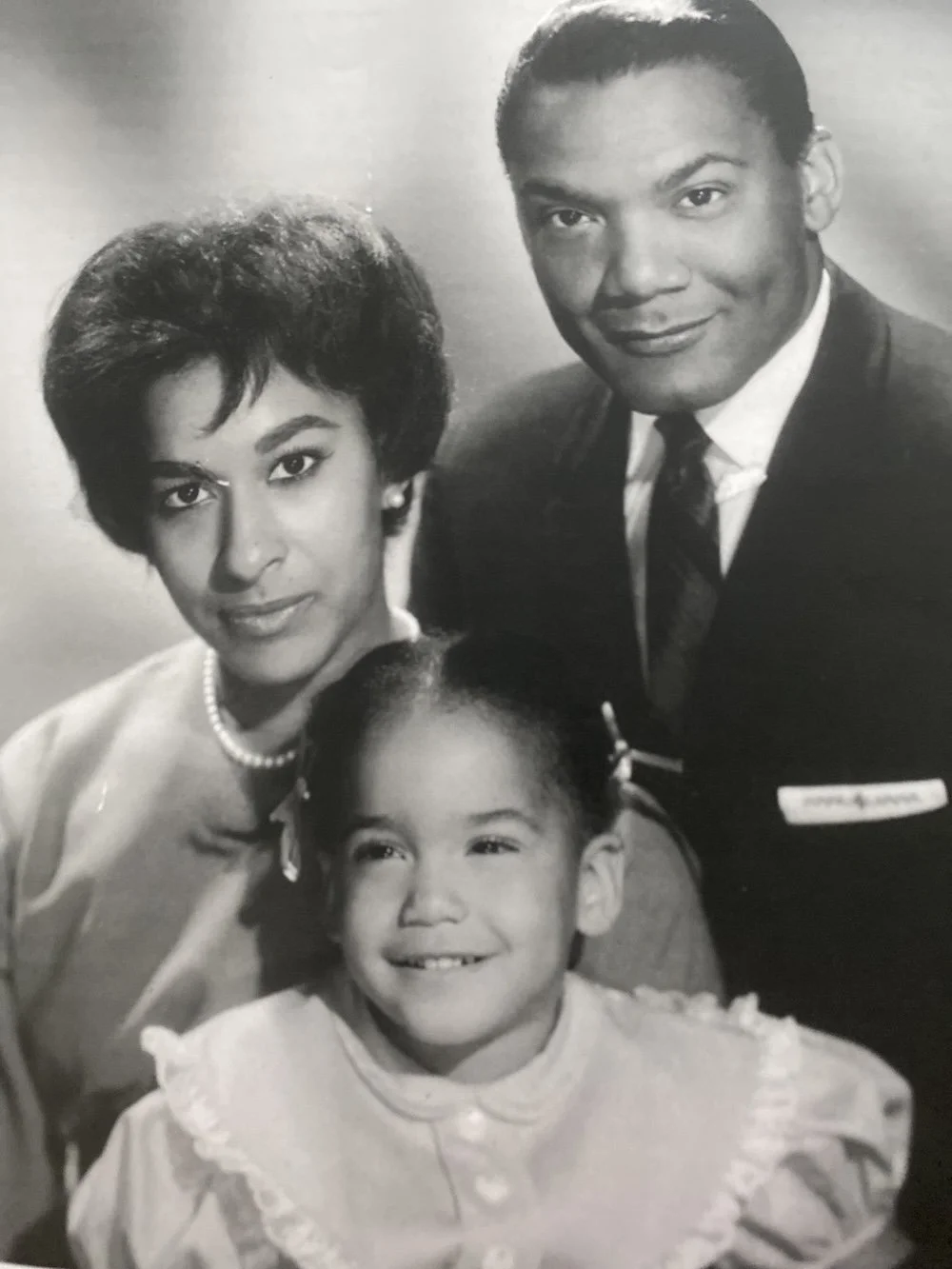
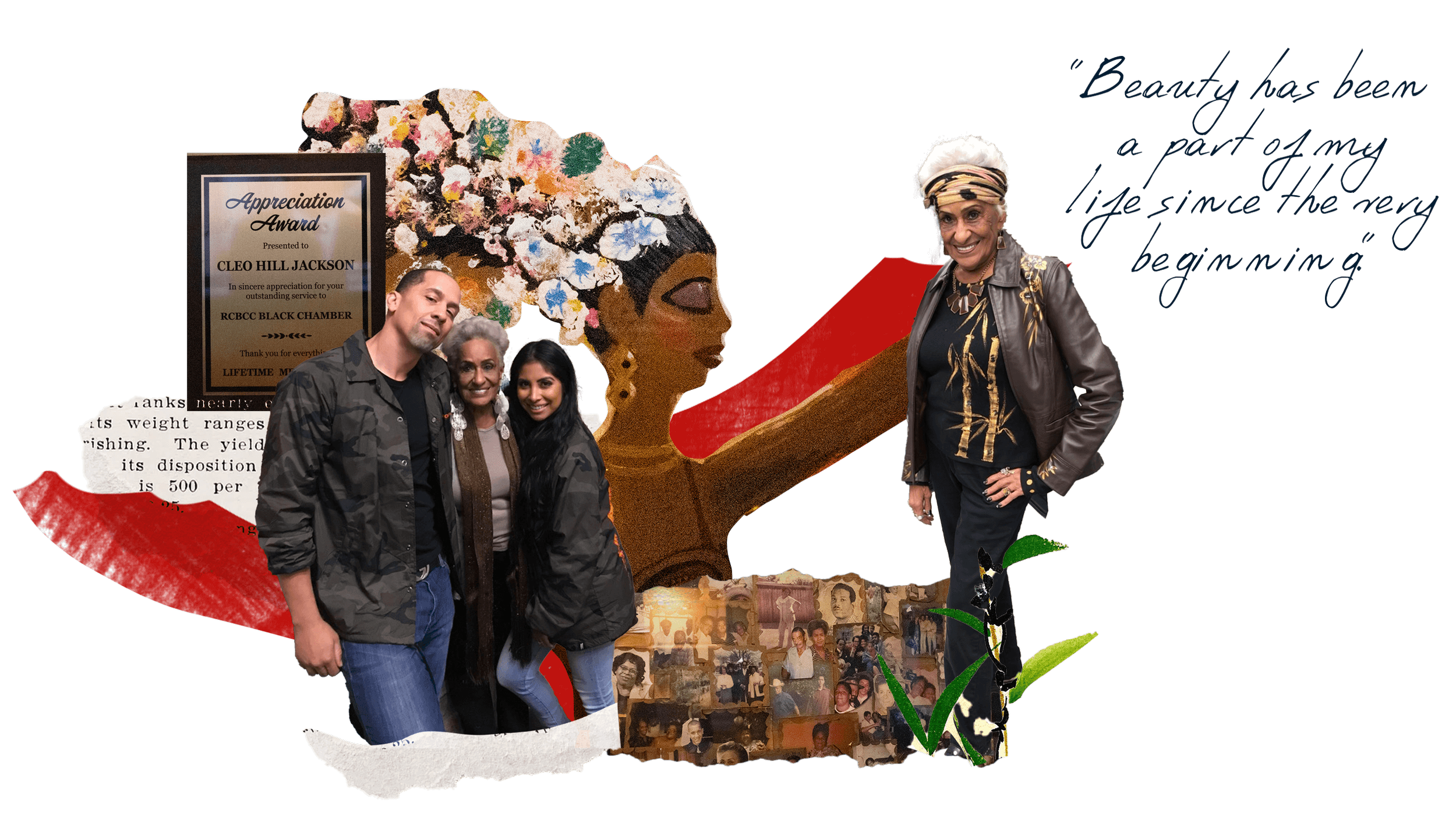
Cleo Hill Jackson built a pioneering beauty legacy in Los Angeles, operating three salons that became vital hubs of Black cultural, artistic, and political life.
Born in Texas in 1937 along with her twin brother, Leo, Cleo moved to Los Angeles as a child. As a teenager, she began assisting her mother with neighbourhood hair styling. Her passion for hairdressing grew during this time, and she soon began styling her classmates' hair.
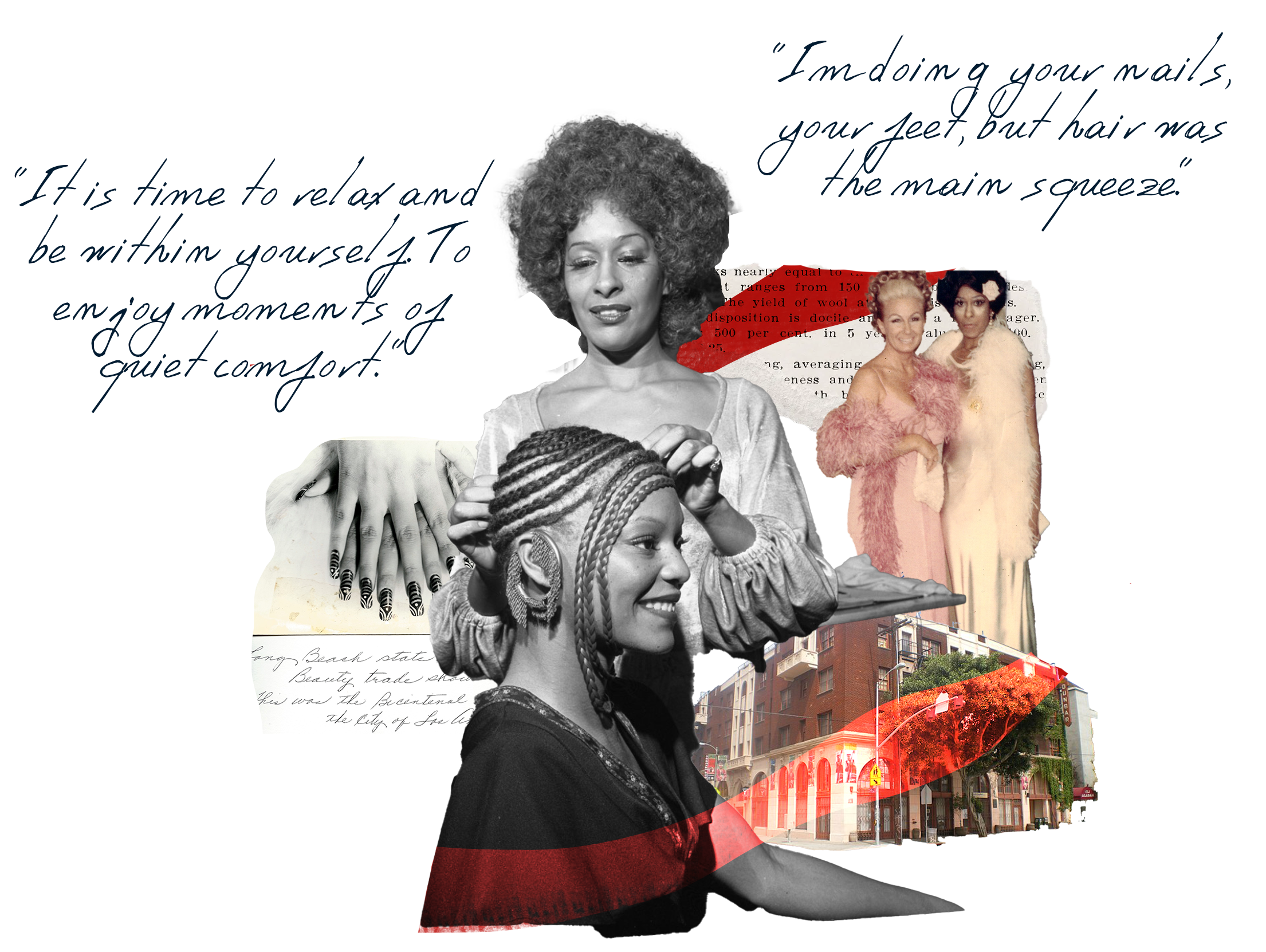
While Cleo was in her senior year of high school in 1954, her grandmother worked at the Dunbar Hotel’s salon. Cleo began working there in an unofficial role, which led to her receiving her cosmetology licence in 1957. She later went on to work at the Dunbar Hotel salon full-time.
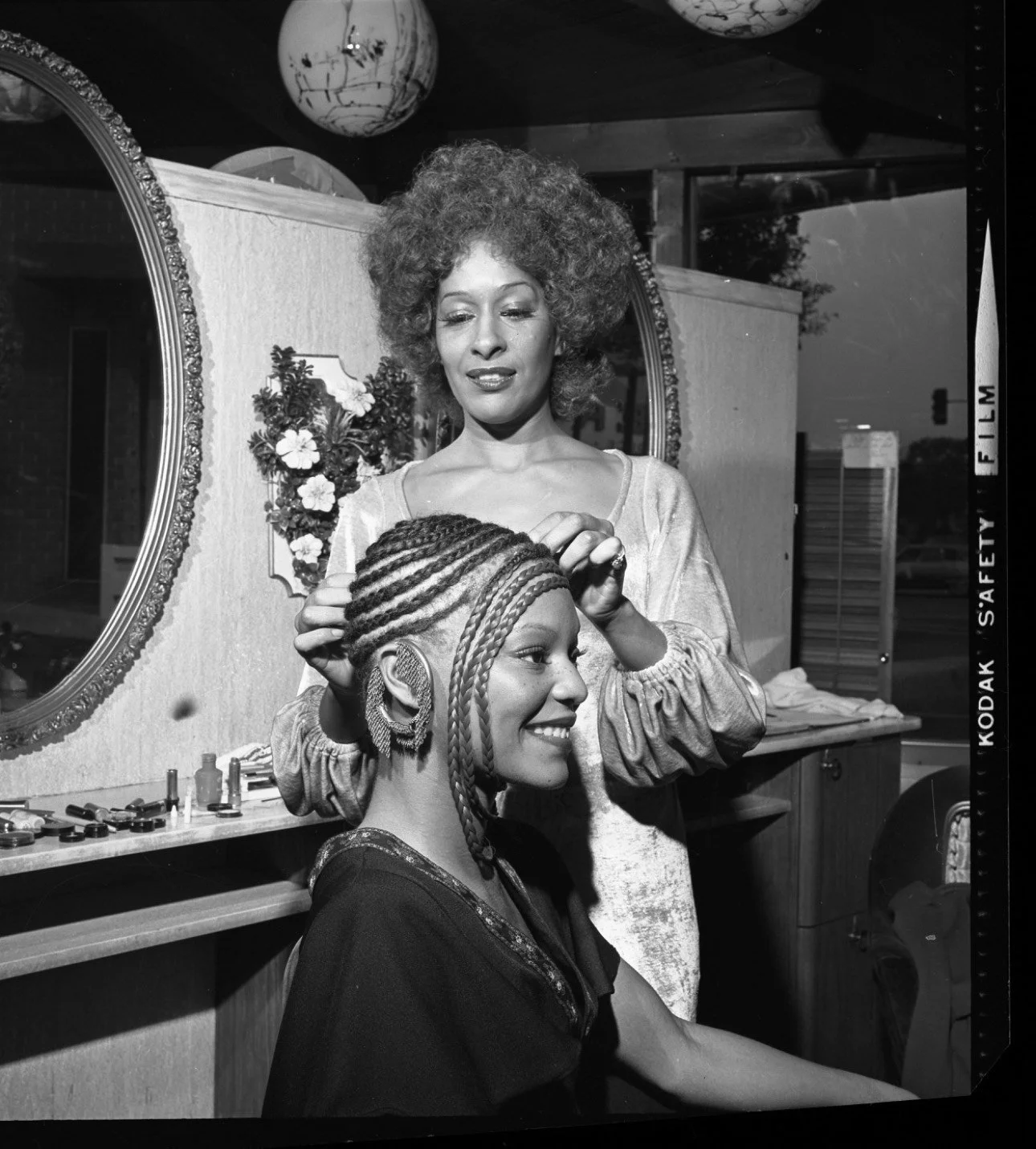
Over her career, Cleo operated three salons in Los Angeles. In 1961, she opened her first independent salon, Cleo’s, on Crenshaw, having earlier worked from a space at the Dunbar Hotel. She later established Cleo’s Beauty Circle in 1964 – a circular salon on Santa Barbara Avenue that remained open until 1984. Cleo’s salons served as more than just beauty parlours; it was a community and social hub that fostered affirmation, connection, and exchange among clients. Through her salon network, Cleo introduced civil rights leaders, community figures, and political actors to one another.
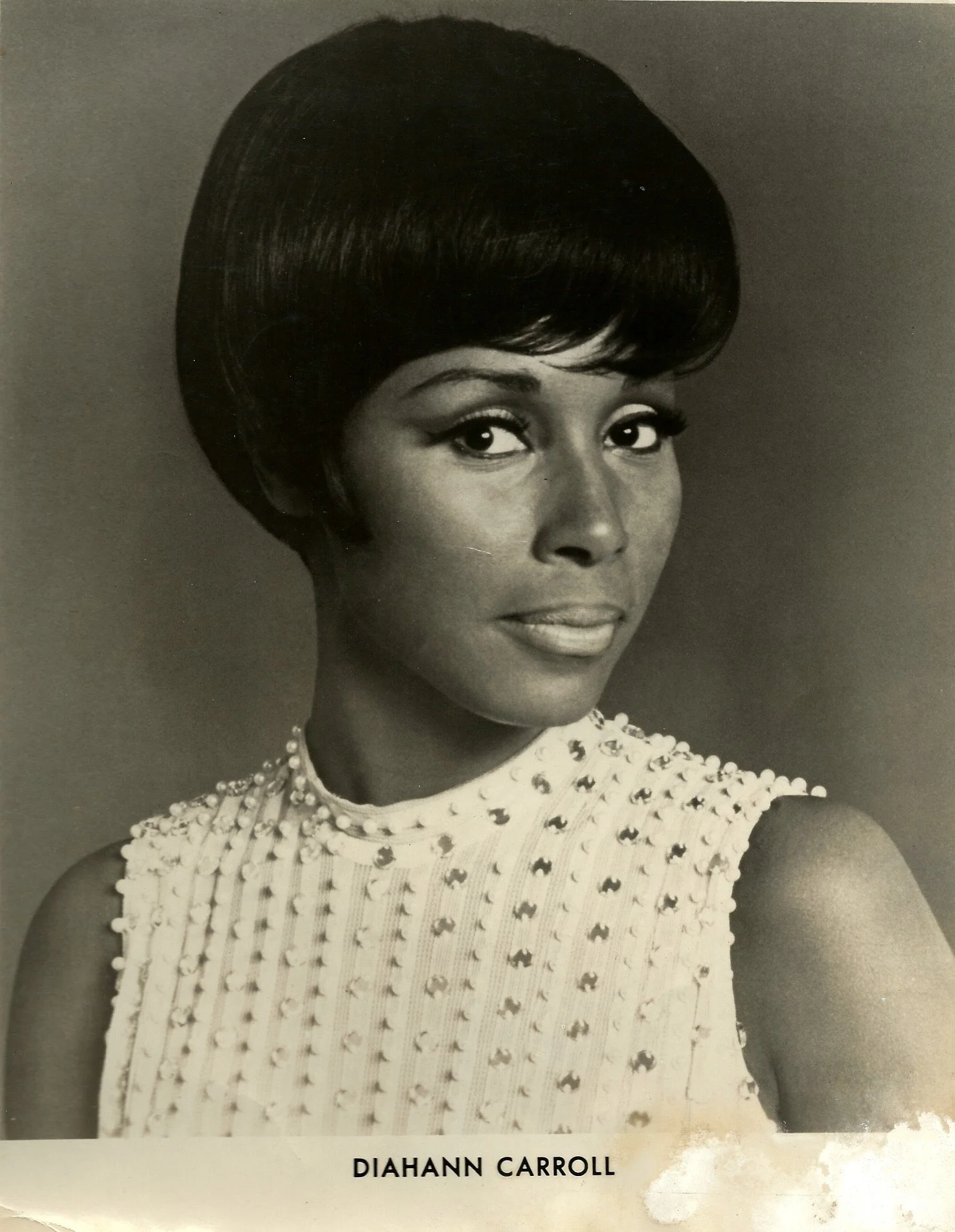
She built a prominent clientele within Black cultural, artistic, and political circles in Los Angeles and styled the hair of major music figures such as Diana Ross, Tina Turner, and Nancy Wilson. Cleo also worked with political figures, including congresswomen and senators, with whom she frequently travelled with clients to provide hair services during tours and political engagements.
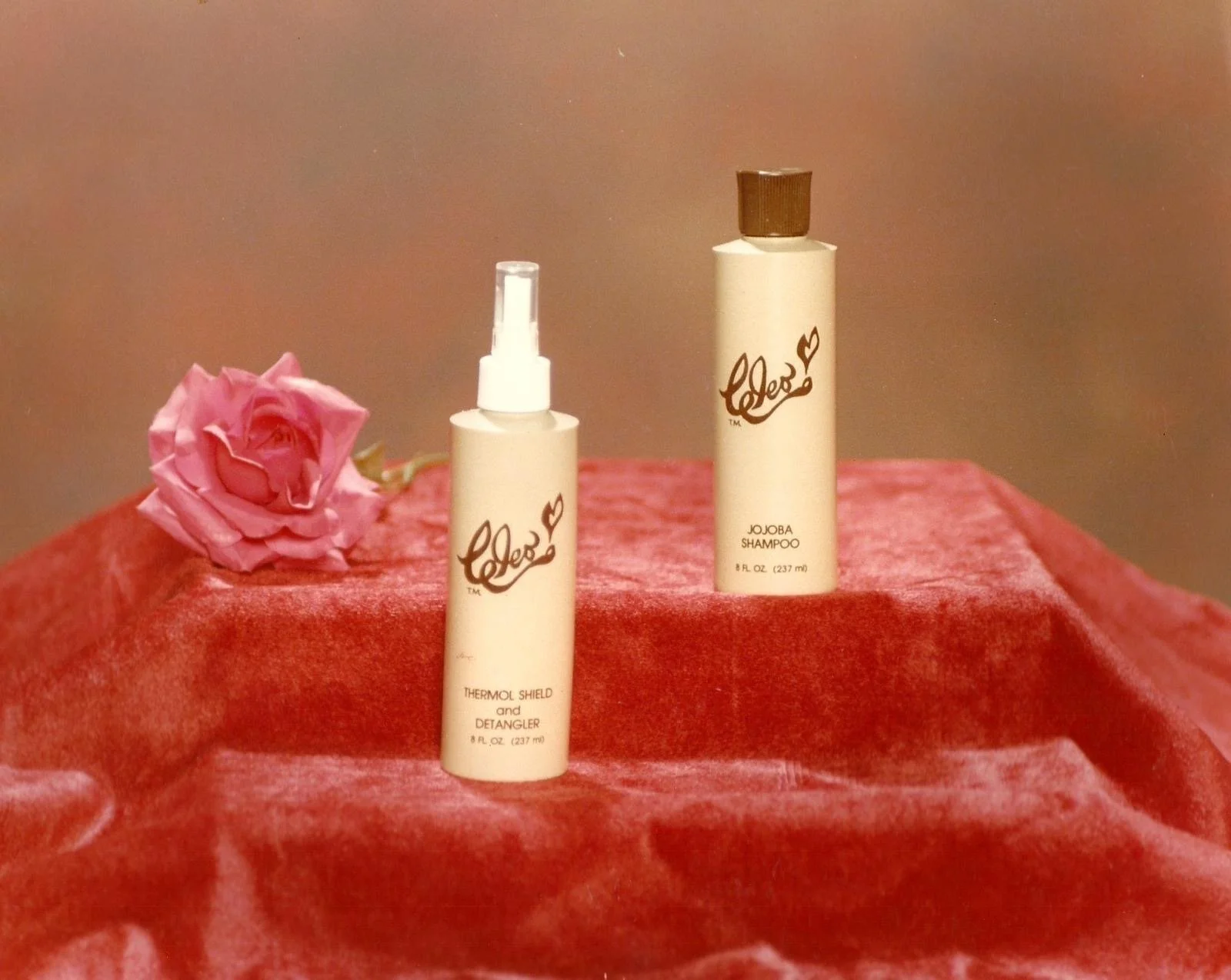
In 1976, Cleo pivoted from full-time hairdressing to launch a beauty and skincare line named CLEO, which included lotions, shampoos, conditioners, and skincare products.
After the line’s closure and several years away from the industry, she restarted her career from scratch, working out of a single booth at Genesis Salon (run by Janice Banks), whilst also raising her two grandchildren, Ty and Trayson.
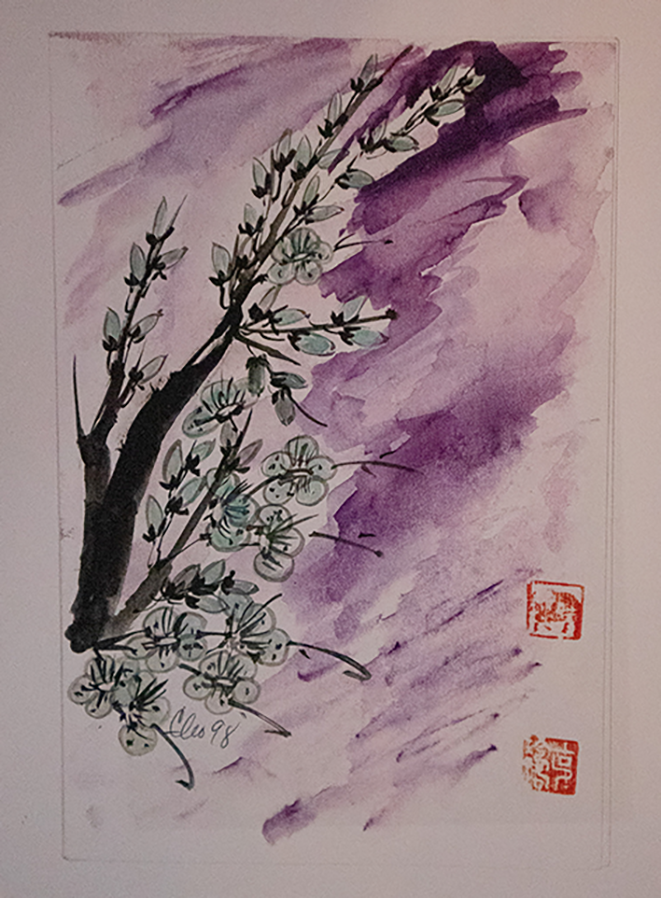
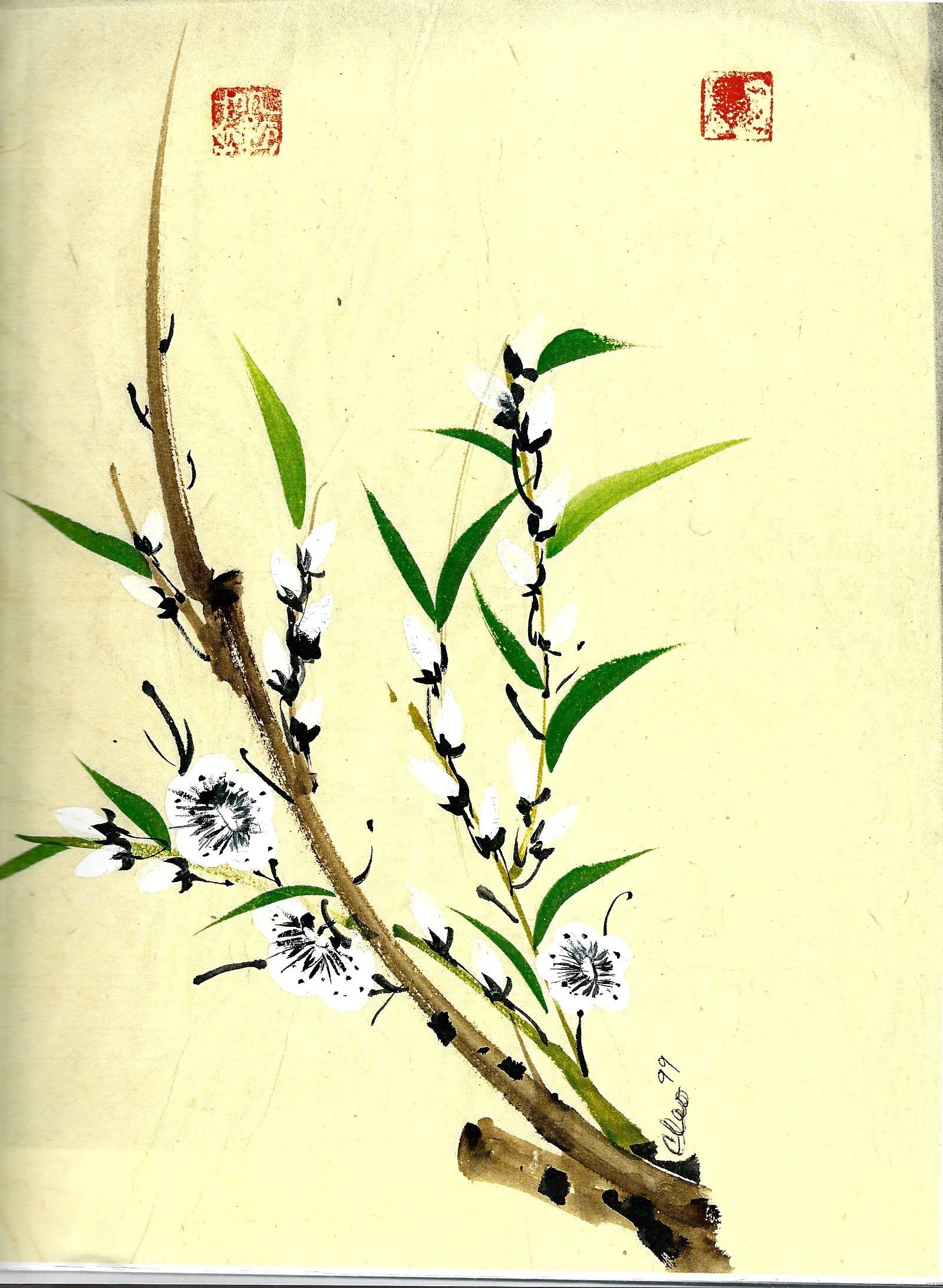
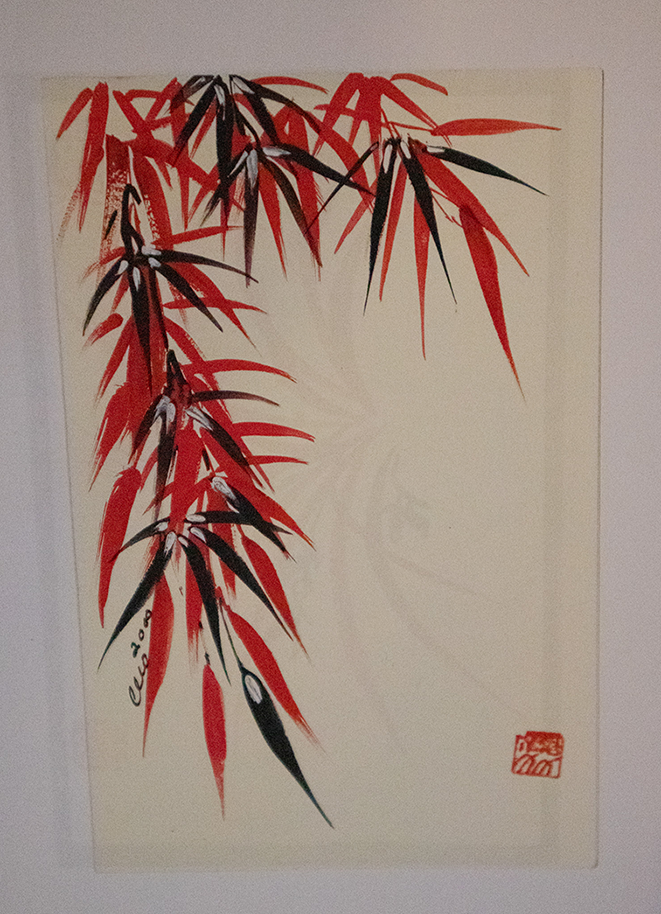
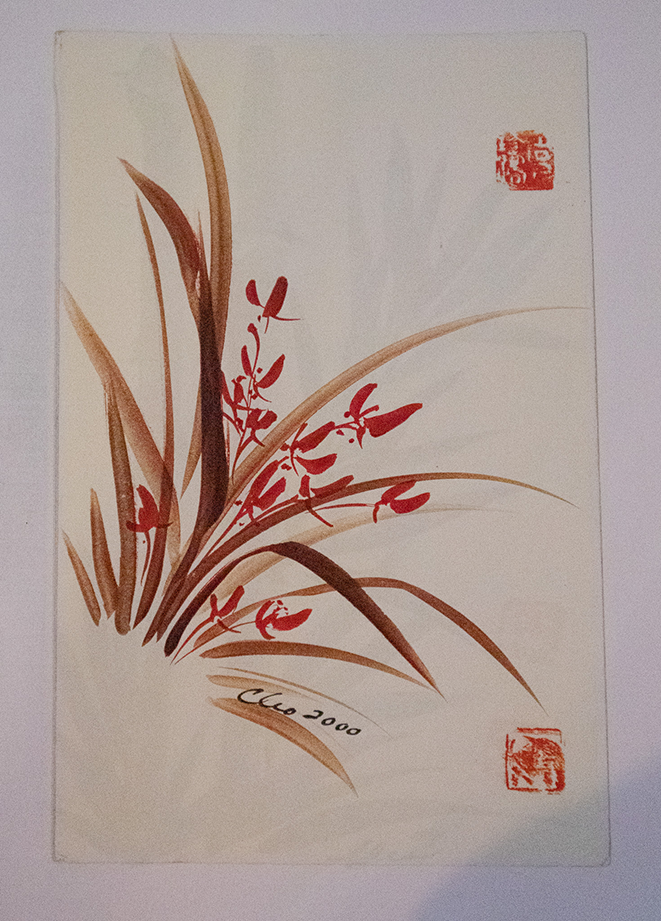
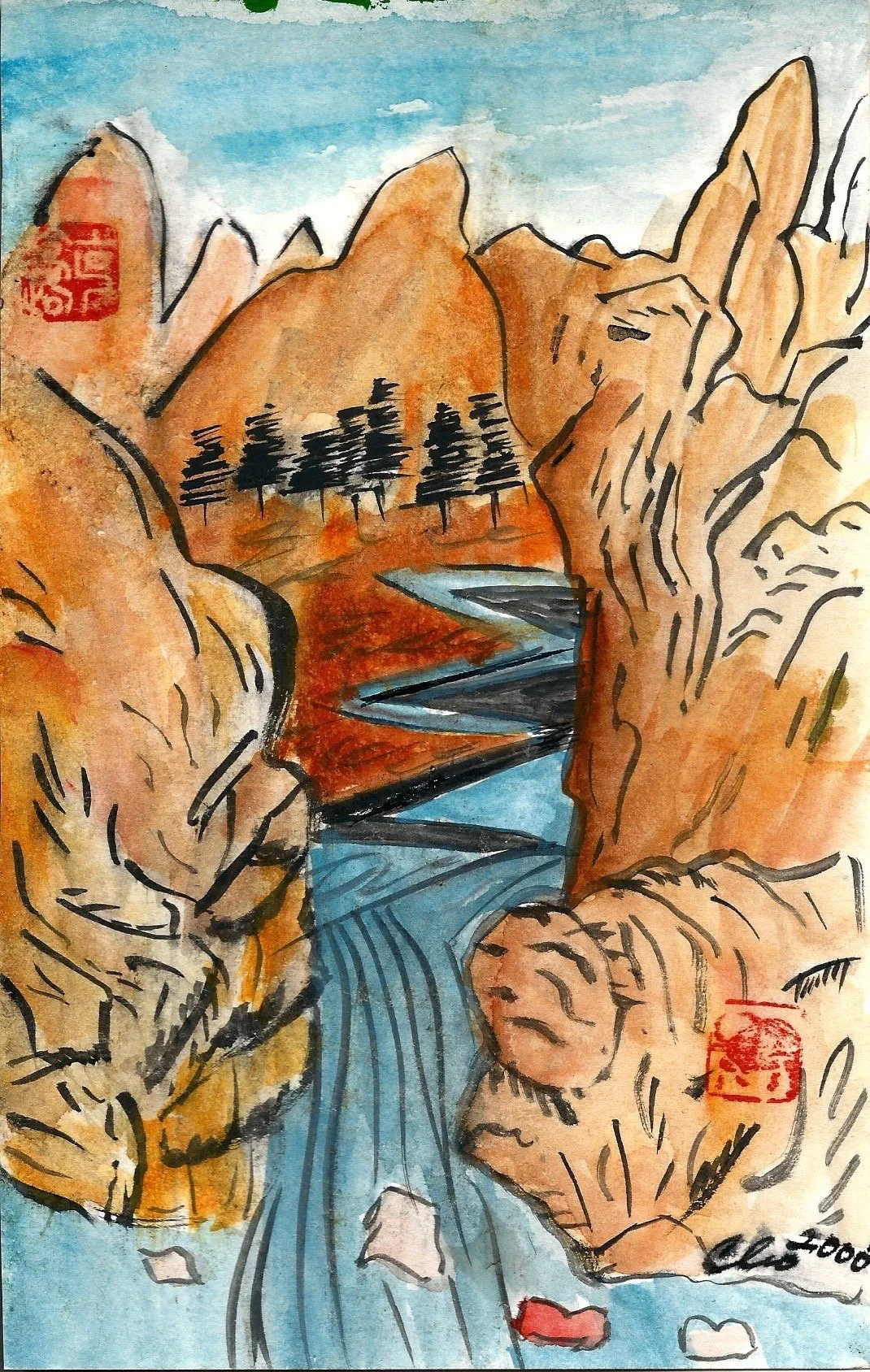
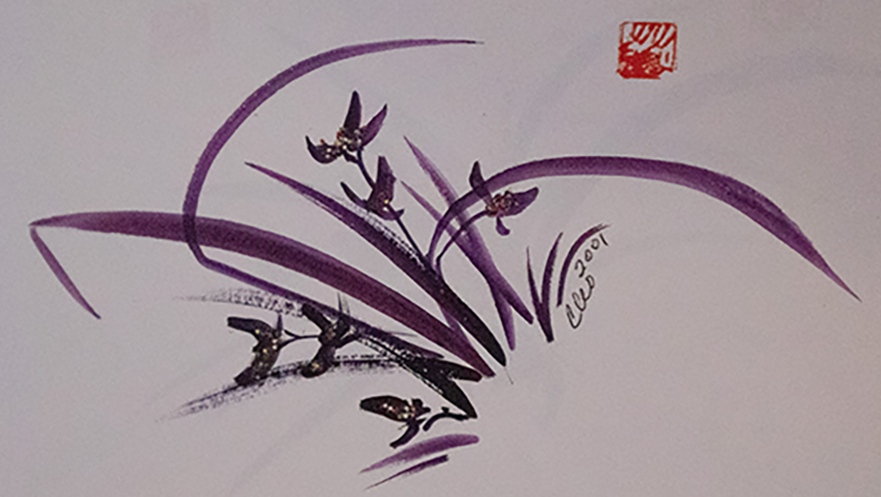
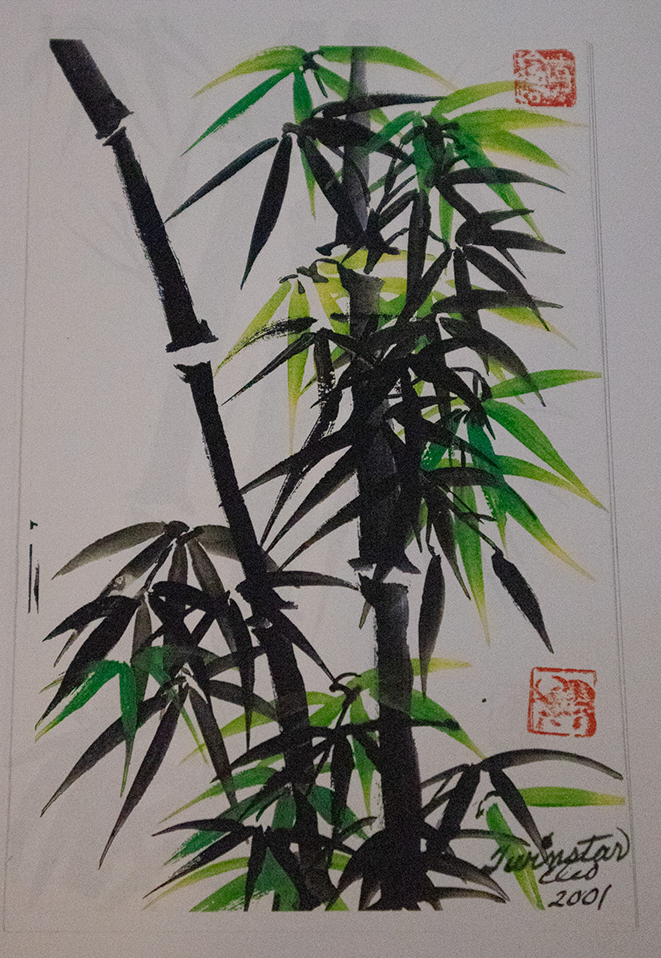
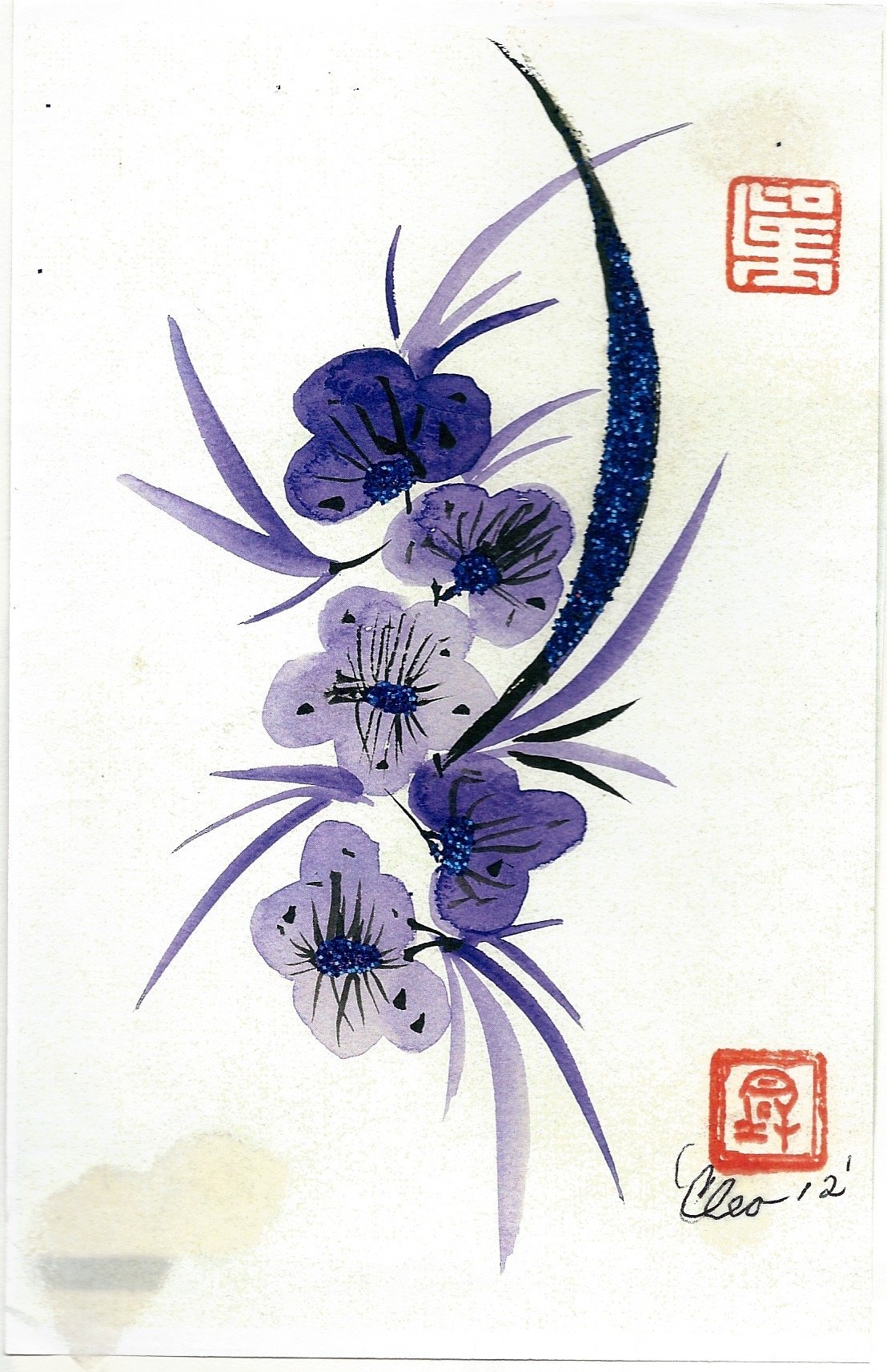
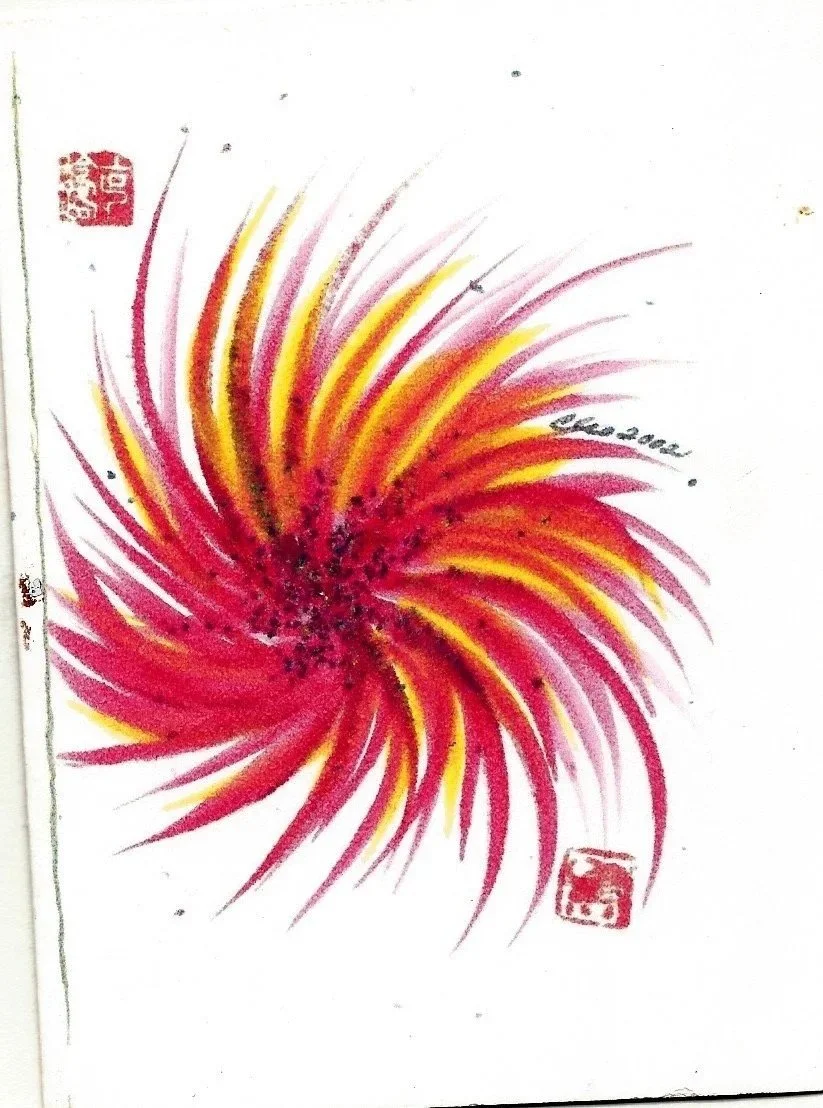
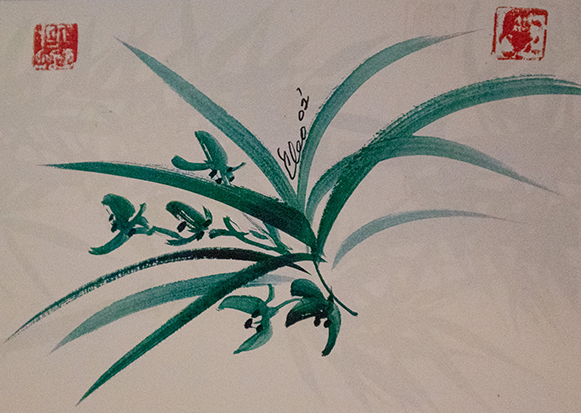
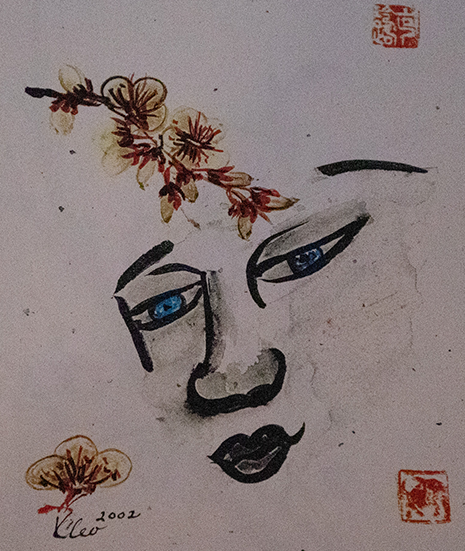
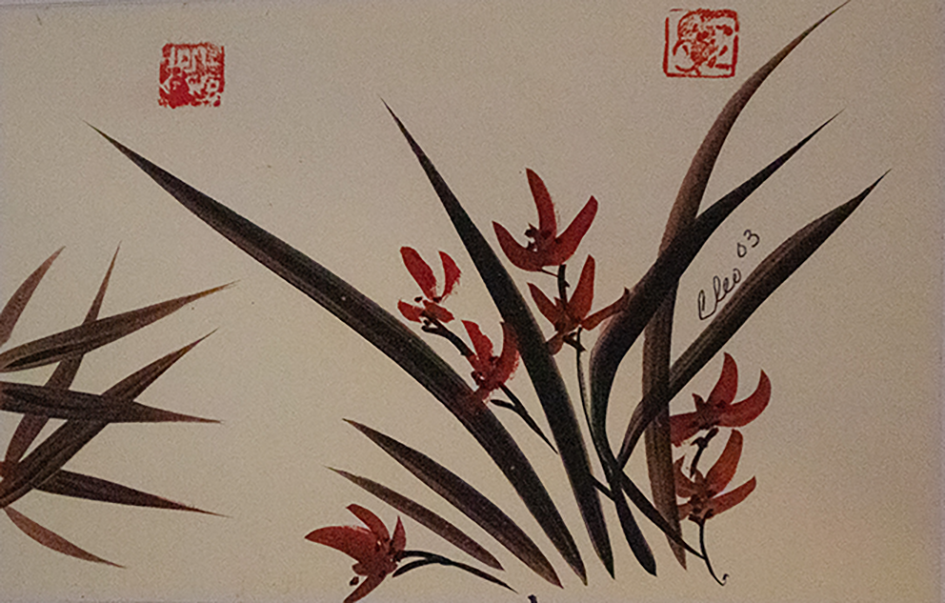
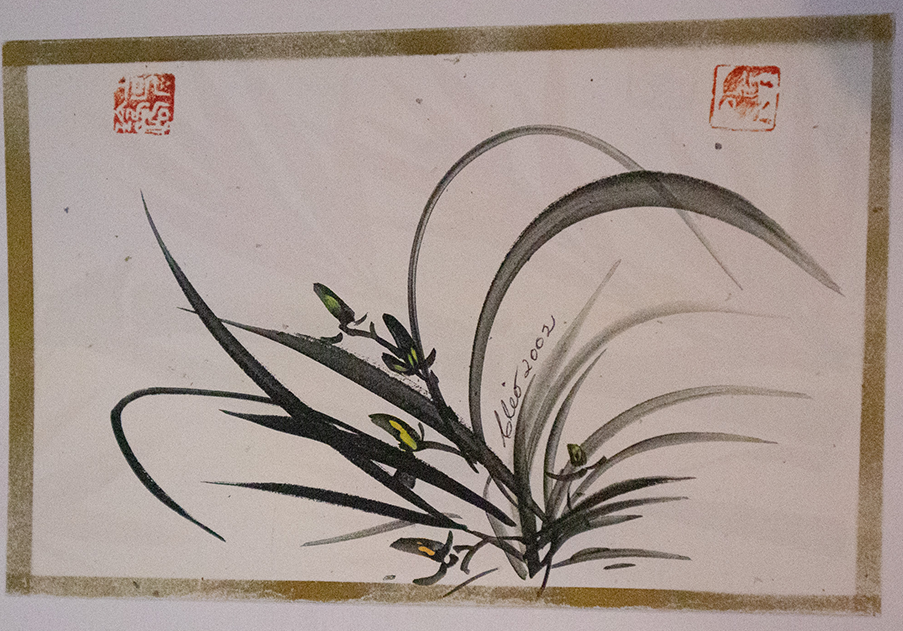
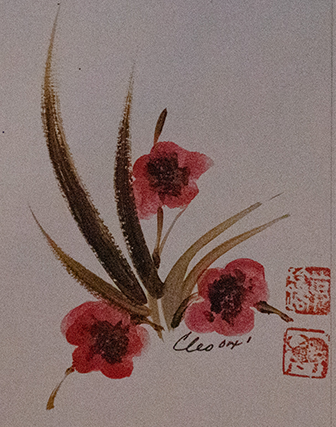
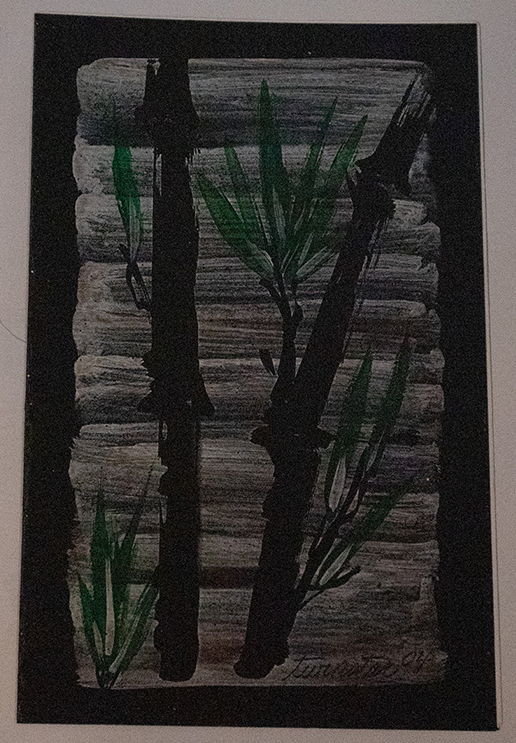
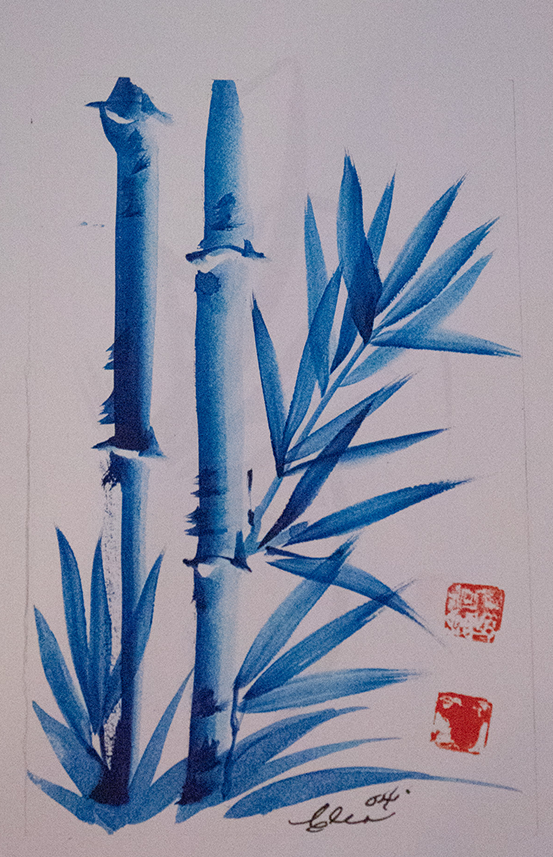
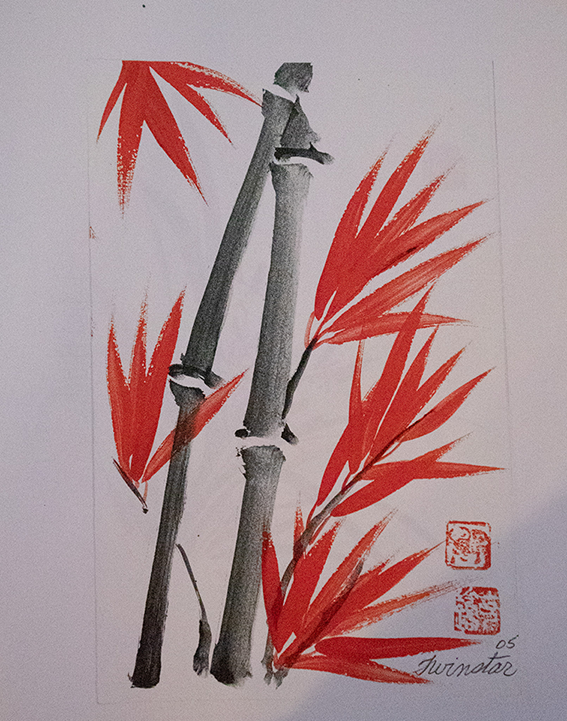
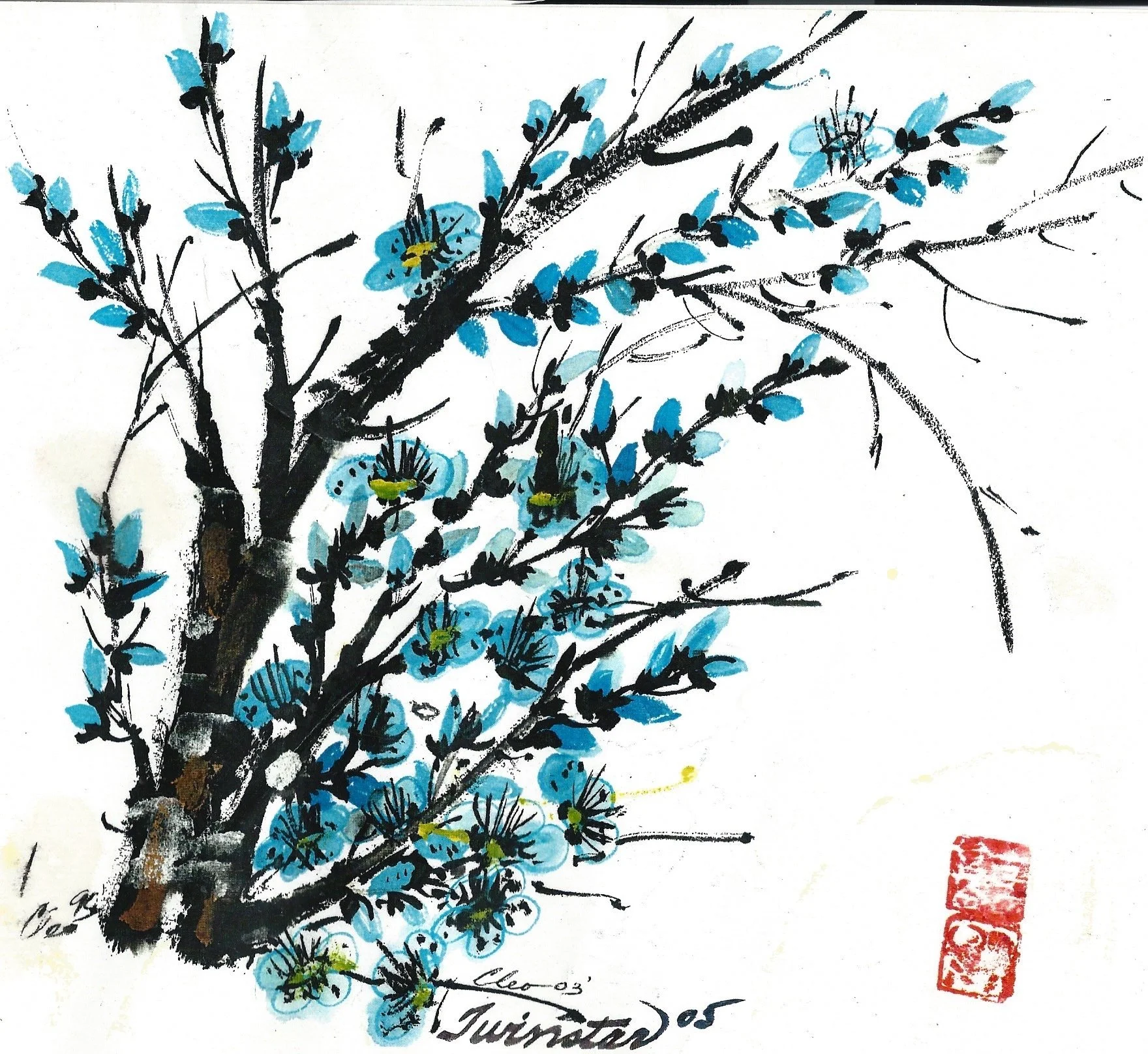
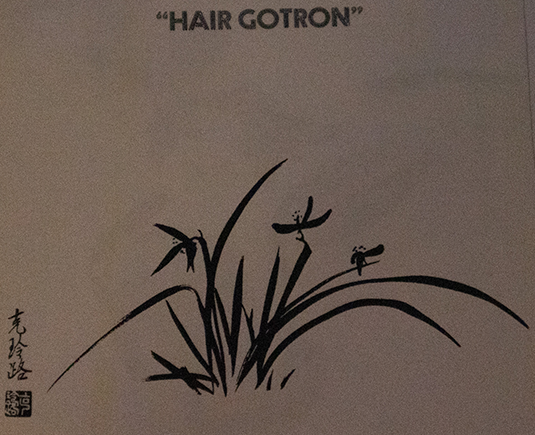
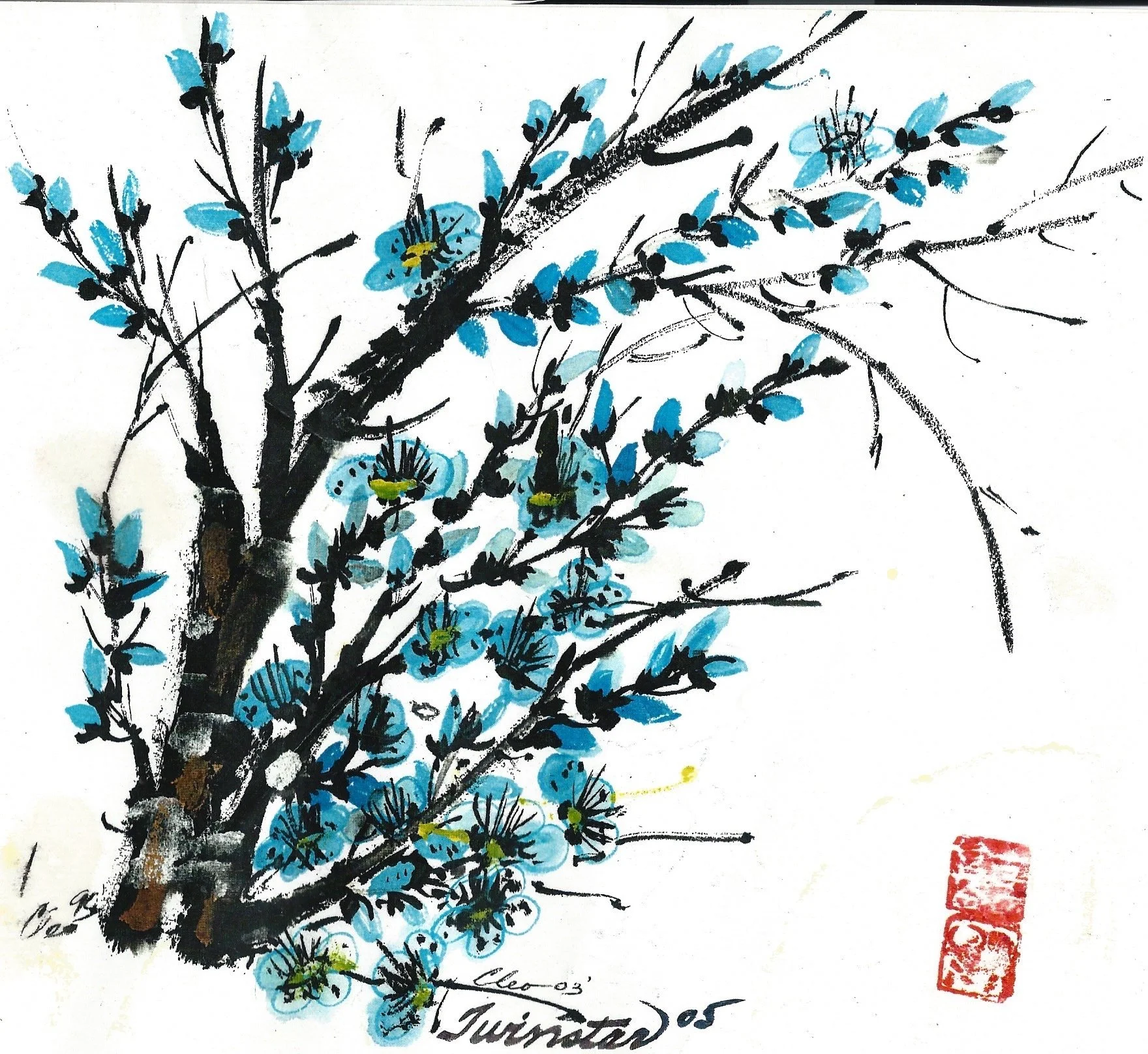
In addition to her wealth of experience in the beauty industry, Cleo also began painting in 1981, in her mid-forties. She studied a hybrid artistic tradition influenced by African and Chinese art, with a focus on bamboo and brush-based techniques.
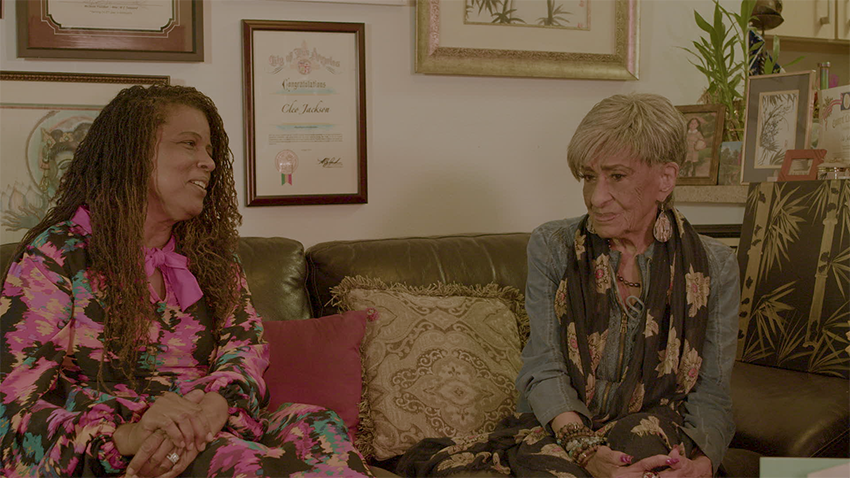
Cleo speaks here with her lifelong friend, Joi R. Grier, whose journey begins with beauty as liberation:
Joi celebrates hair as a living symbol of identity, freedom, and cultural pride. Through her artistry, she empowers women to embrace their natural selves, weaving resilience and self-expression into every strand. In addition, as an Associate Marriage and Family Therapist, Joi also specialises in trauma-informed care and culturally responsive counselling, designing programs that restore dignity and link mental wellness to housing stability.
Together, these threads – Sisterlocks artistry, naturalist wisdom, clinical insight, and systemic advocacy – form Joi’s lifelong tapestry of resistance and renewal.
Cleo Hill Jackson & Joi R. Grier
in Conversation
Produced in partnership with Cal State LA Community Impact Media Program and Alumni
The Power Of Beauty
Joi: We met just before I had my wedding, and I recall you suggesting an Elizabeth Taylor hairstyle. I was able to pull up one of her wedding pictures and use Elizabeth Taylor's wedding as inspiration. Then I found out that she had a few weddings.
Cleo: Yeah. Oh yeah, she sure did.
Joi: Yeah, she had a few, but I figured it out. You said to do something classy, and that was good. But meeting you was such an honour. We had so much in common, especially with your desire to utilise beauty, to strengthen women.
Cleo: Thank you.
Joi: I appreciate it that you taught me, and I try to practise, to make sure that I keep my shoulders straight. I love that beauty tip.
We have lots in common as far as hair is concerned, but with a few years of age difference.
You were already making your mark on the world of cosmetology and beauty when I was just down the street. One of your shops was in the Crenshaw area, where I lived at the time I first desired to learn how to do my hair. I was self-taught.
While you were down doing it professionally, I was in the mirror teaching myself how to braid and things like that.
Cleo: Well, my mother, Clara Mae Hill, did everybody's hair on 59th Street and in Los Angeles. That whole street was a hub of community activists, and I was in there doing hair in the kitchen. It all just stemmed from there.
Everybody was coming over because my mother was going around, talking and bringing the information back to the house. We became a hub in that whole slew of the Eastside. They looked after each other. They protected each other and put out alarms when there was trouble ahead.

Joi: What about The Dunbar?
Cleo: The Dunbar Hotel on Central Avenue, I call it the hub. They had a beauty salon, and on Thursday evenings I’d go over and watch them doing hair.
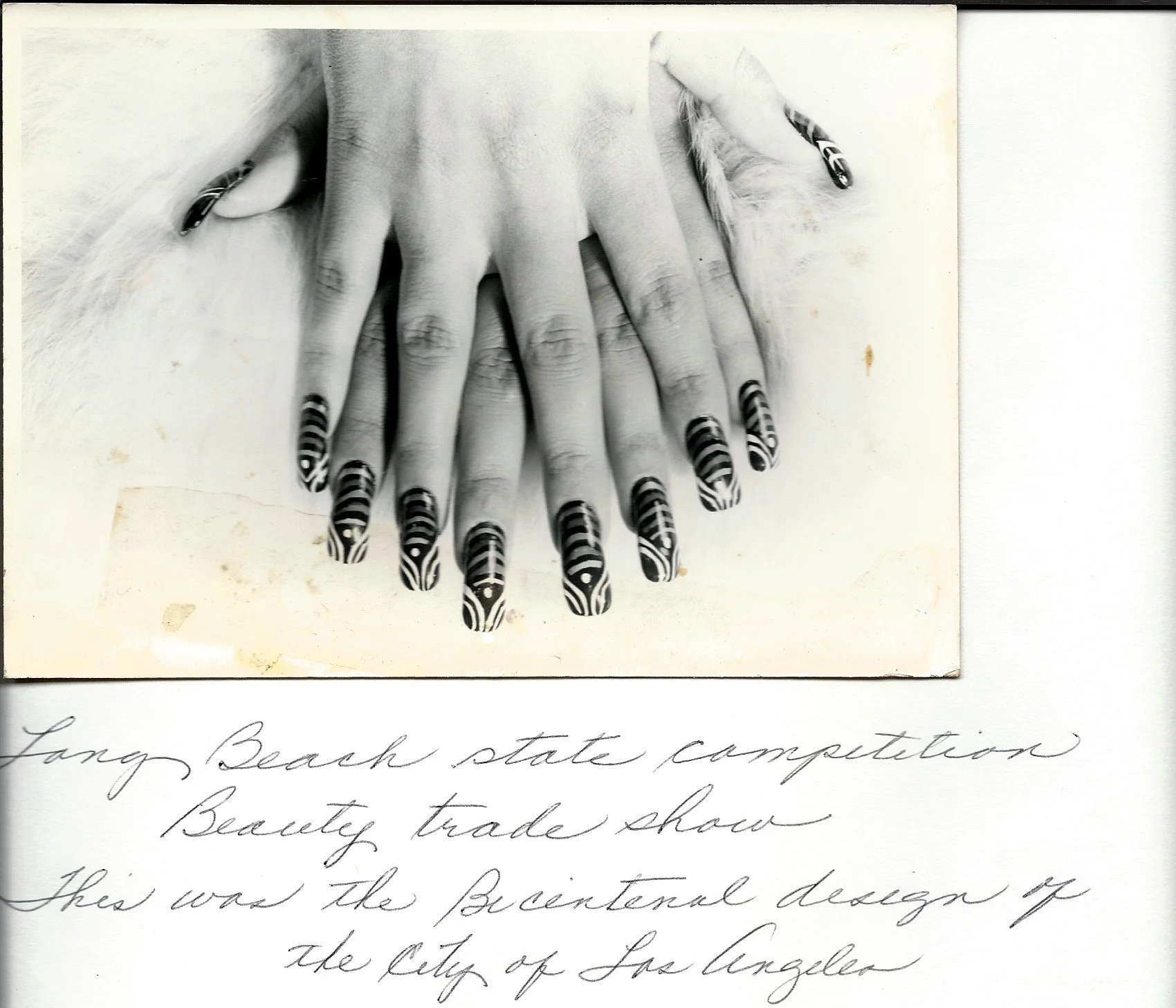
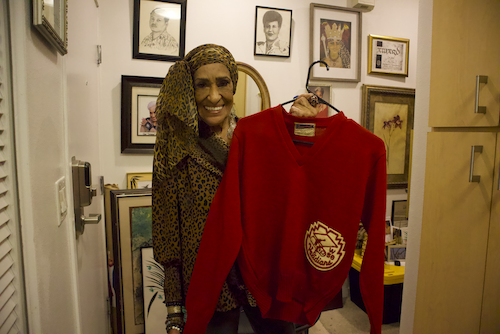
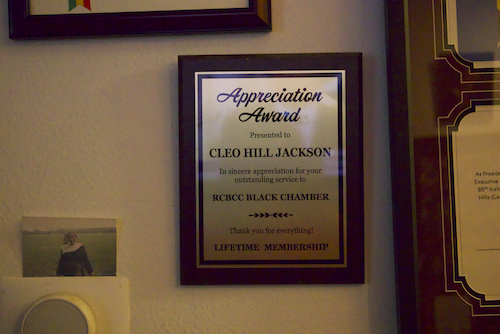
I was getting ready to go to high school, where they taught cosmetology. I took it, learned the mechanics, and began competing at Trade Tech, where I earned notoriety and graduated with their Most Distinguished Alumni Award.
They hadn't presented it in 40 years, and I got it. That sparked a different kind of feeling.
Joi: It must have been a great sense of accomplishment.
Cleo: It was quite an honour to receive that award because they presented it in fine form.
Joi: Dignity, encouragement, and empowerment as it relates to beauty. What are your thoughts about that? How does beauty connect to your ideas of dignity?
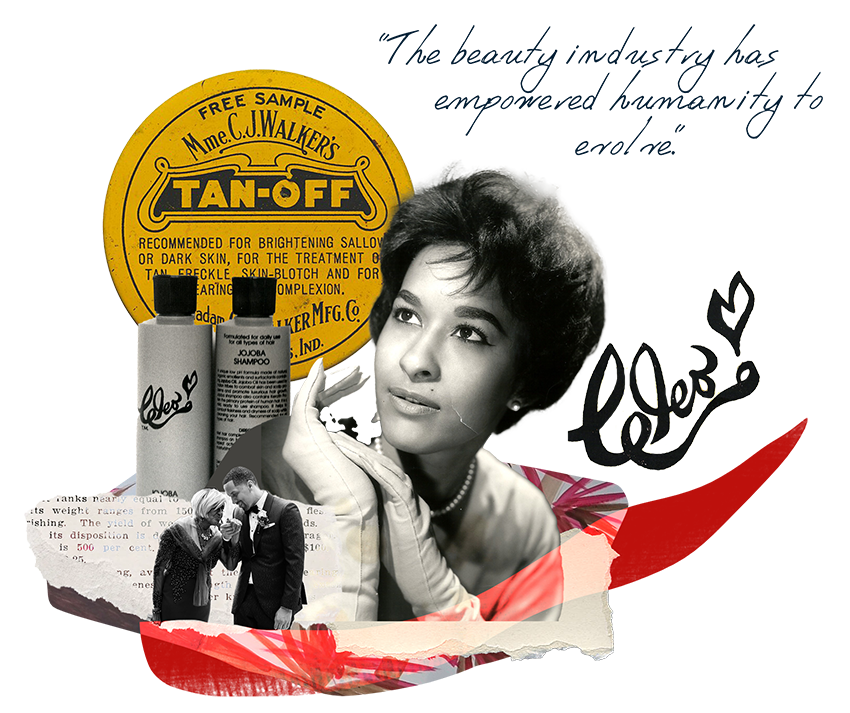
Cleo: The beauty industry has empowered humanity to evolve — to live with a greater level of expectancy and endurance.
Your appearance, your daily attunement, is a way of saying, “Thank you”. You don’t have to get up in the morning and fix yourself up to look better and feel better. But you do need to get yourself motivated. And everyone has their own ways of doing that.
People motivate themselves differently, to get up, get themselves together, and get on with their lives. Much of it comes down to personal preference — some people don't believe in wearing lipstick or perfume.
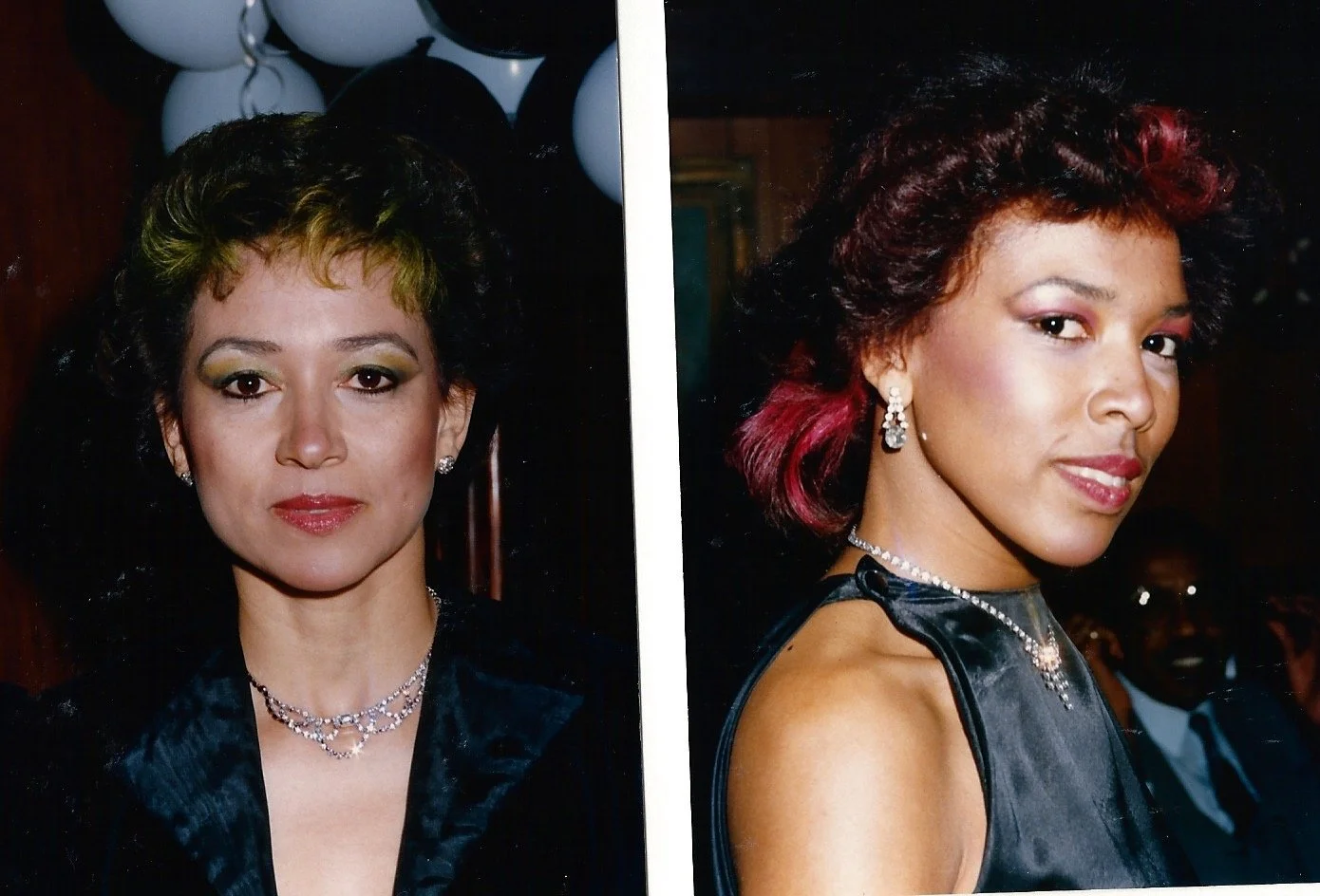
Joi: Beauty builds us up and gives us the confidence to go into places. You mentioned that…
People would come to your shop because they were looking for someone special.
Cleo: Right.
Joi: I could see how in our history, beauty became something. I know how Madam C.J. Walker’s contribution to beauty impacted the esteem of black women, more specifically, because we had that kinky, coiled hair, and there was not much you could do with it.
Cleo: And she made sure that they were refined, with coffee and fine dining.
Joi: So, just being exposed to the finer things, in life. Would you agree that it was empowering, considering where we came from? From those old stereotypes of being “Mammy Made” or the “slave presentation”, to a place where we could dress and define ourselves?
To dress ourselves seemed very dignifying. When I look back at old videos — how our men dressed and our women dressed — our men wore hats and suits, and our women wore dresses.
I'm speaking to the fine, fresh tuning of someone like Martin Luther King walking into your salon. Compared to a day when our men couldn't present themselves in such a way.
Cleo: Yes, certainly.
Cleo’s Rules at the Salon
Cleo: Salons have restrictions. Under the state laws of business, I always stayed within those realms.
At the Dunbar Hotel salon, I served alcohol at six o'clock, in moderation, but I wouldn't let it be a bar-type experience. It was more of a refreshment. I controlled that; I didn't let it turn into a nightclub. There was one right next door: The Page Four.
Joi: While you were in Crenshaw, was there any community activity organised?
That's where I grew up, and there were drugs, gangs, and violence. Was there anything happening in your salon to address those concerns?
Cleo: I was concentrating on people’s personal needs. That was why they often waited for long hours to get service, but their needs had to be addressed. We needed a place where everyone could go and feel comfortable expressing what they wanted and what was best for them.
Joi: On your busiest mornings or afternoons, what did the salon feel like?
Cleo: I’m doing your nails, your feet, but hair was the main squeeze. It is time to relax and be within yourself. To enjoy moments of quiet comfort.
See, I didn't allow people to come in and make it a hoopla. Not in my salon. I decide what's going on. I stayed strict. I didn't let them run my show. I ran it.
Joi: On a typical day in your shop, 10 to 15 people are waiting?
Cleo: I have never gone by appointments.
I don't give them my time that freely. I had too many other things to do.
But I just loved the industry itself because I've been in it all my life, at home and out in public.

styled BY CLEO
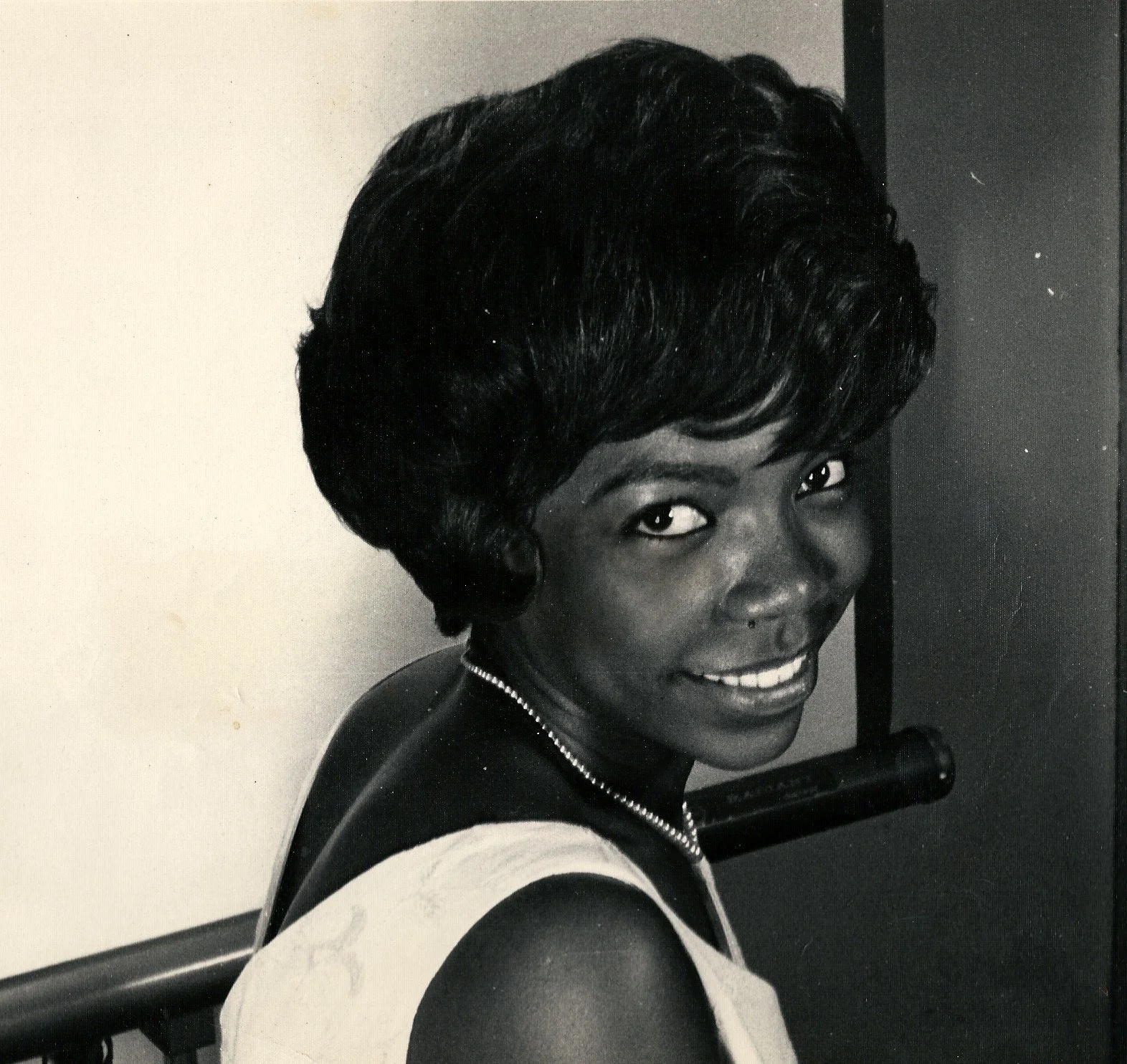
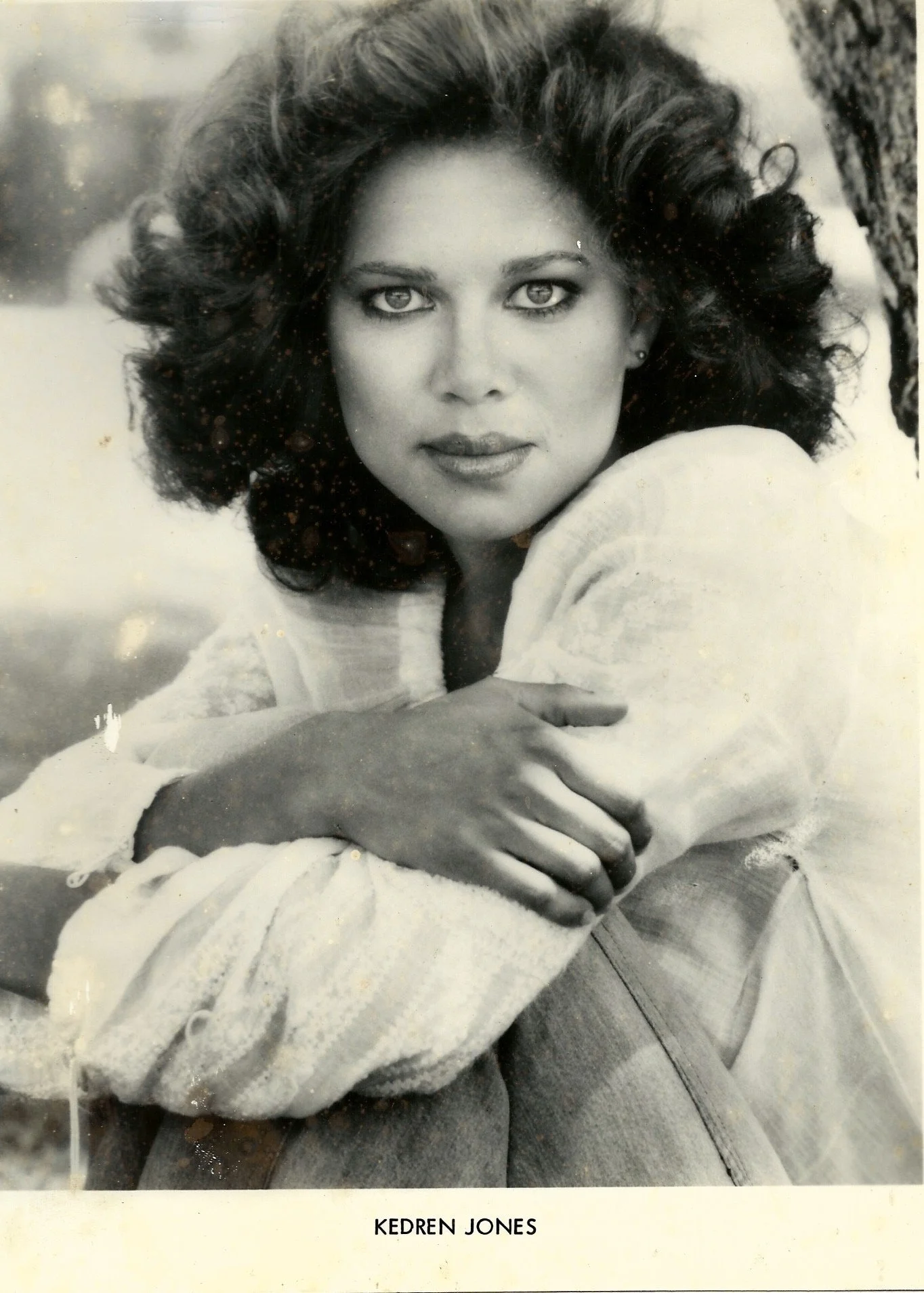
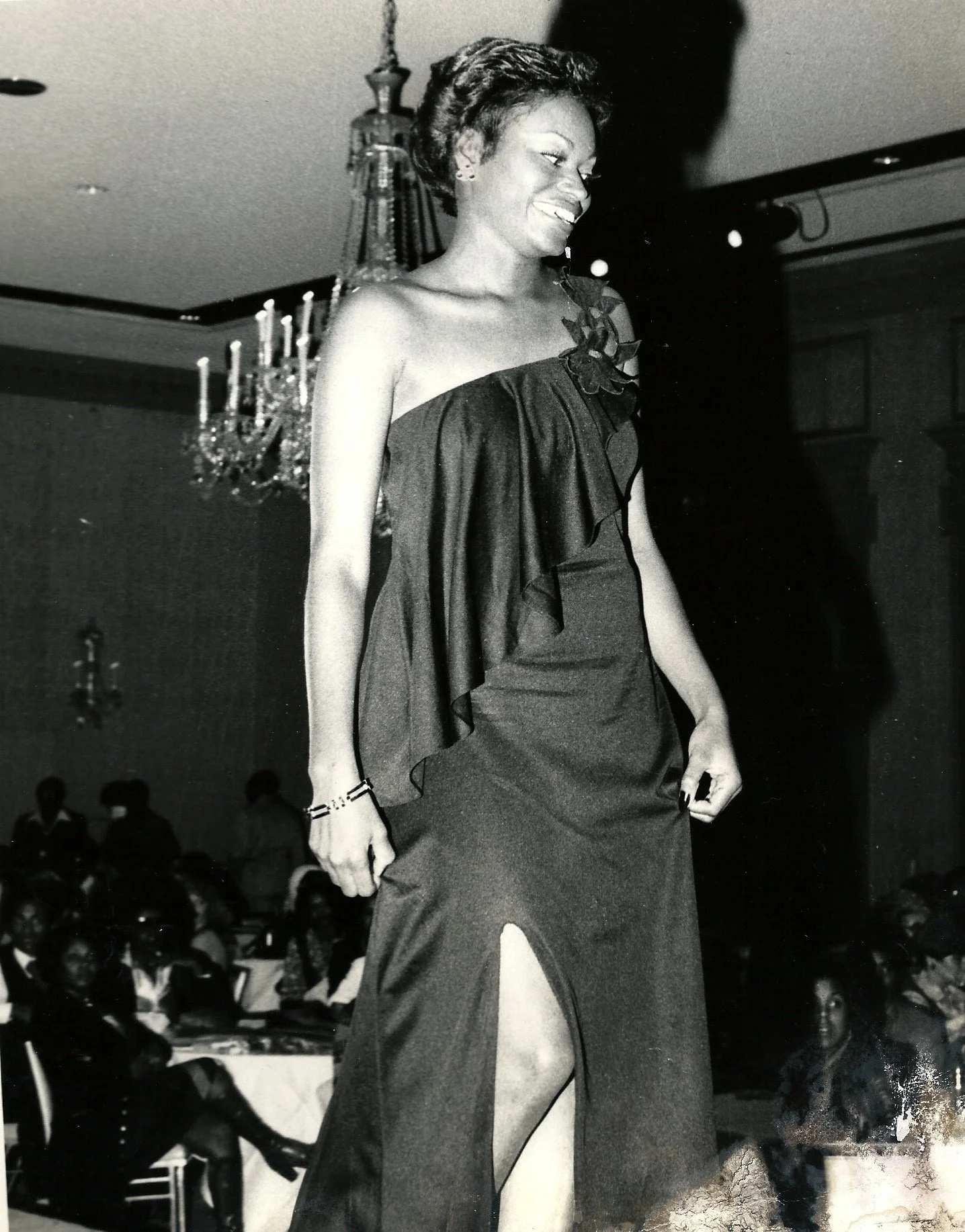
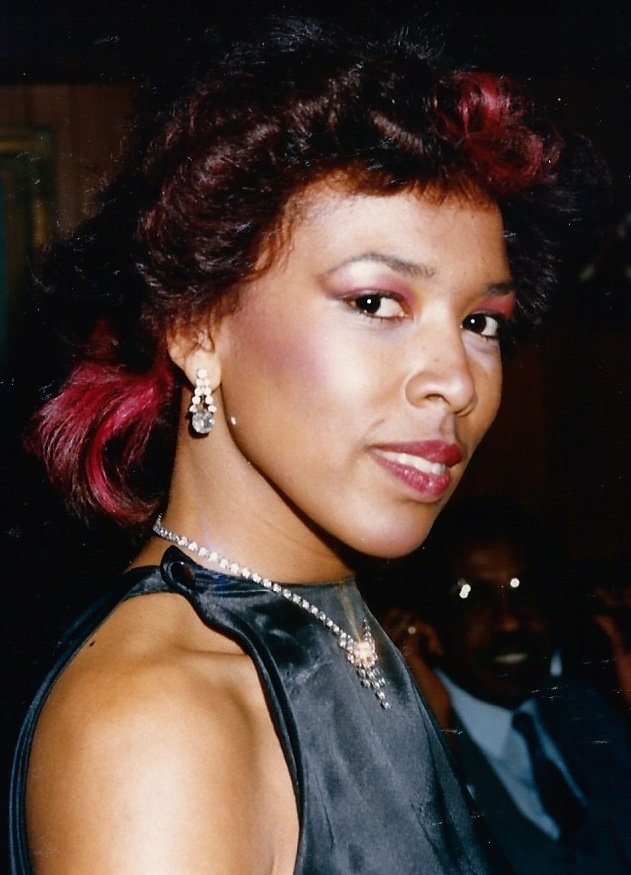
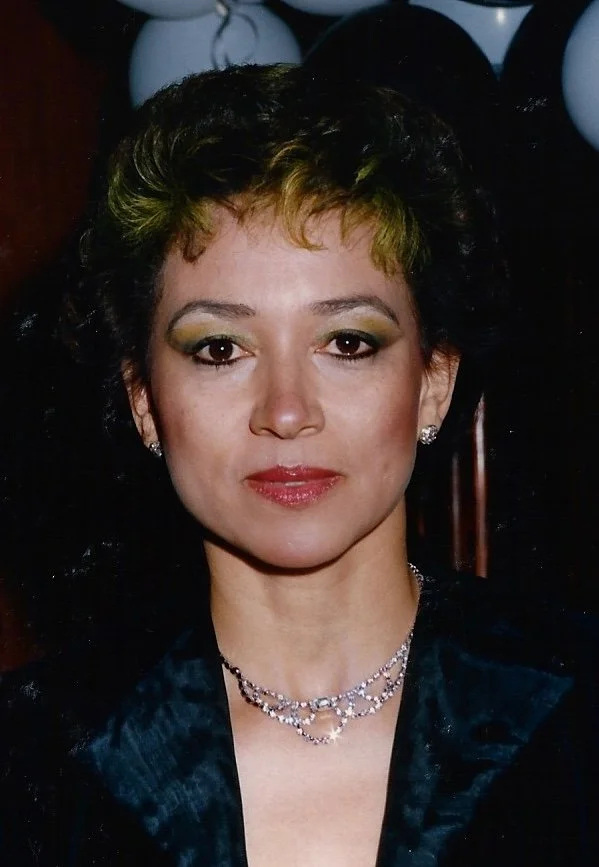
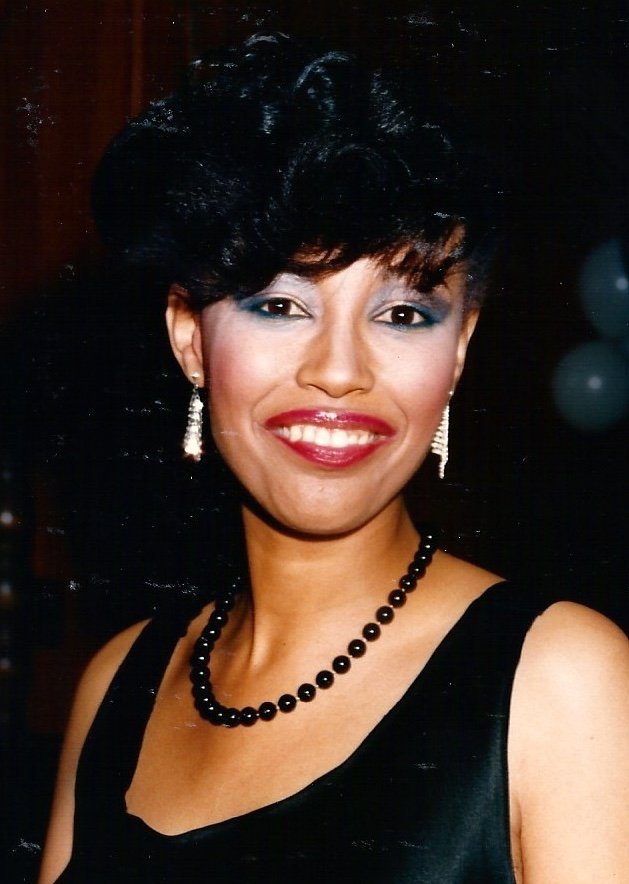
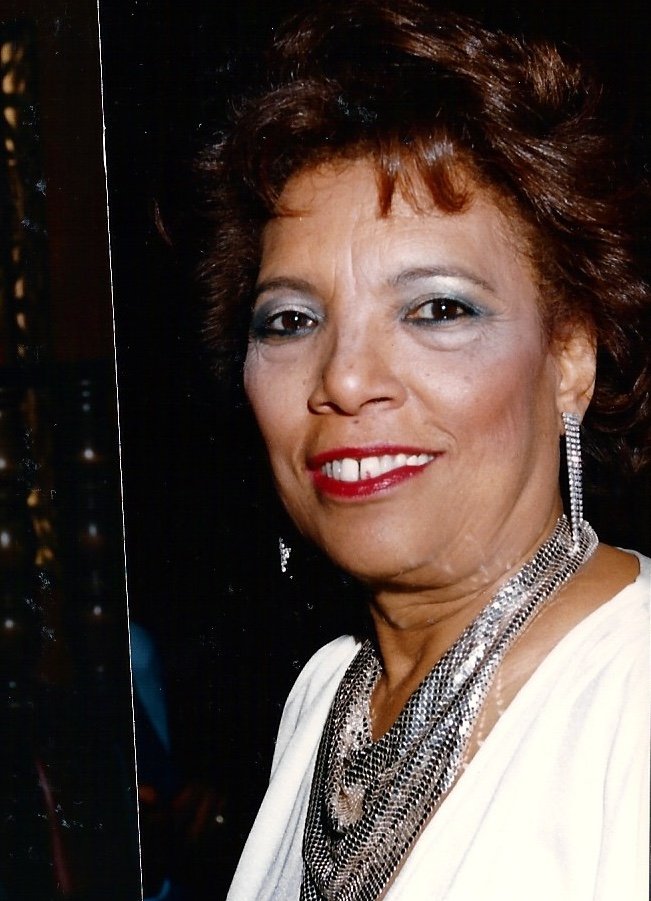
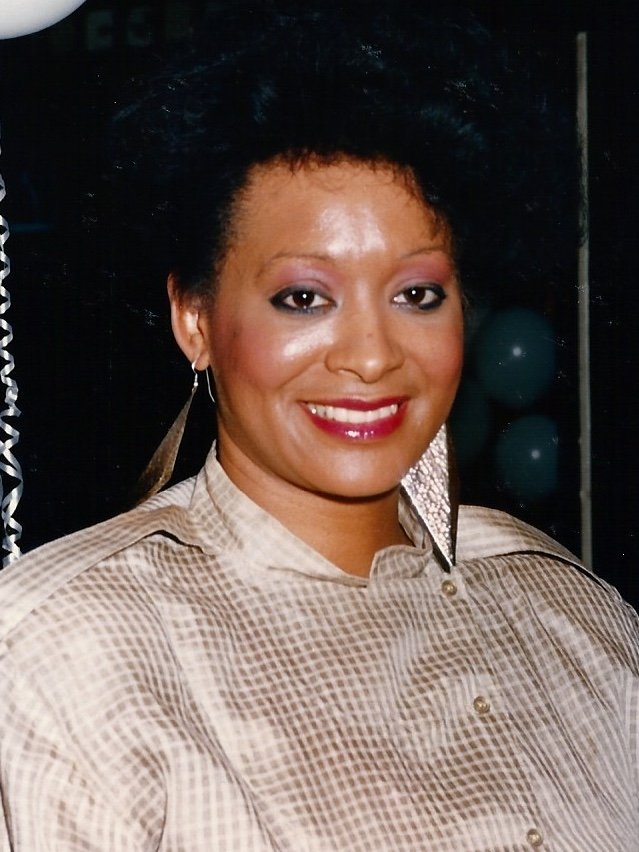
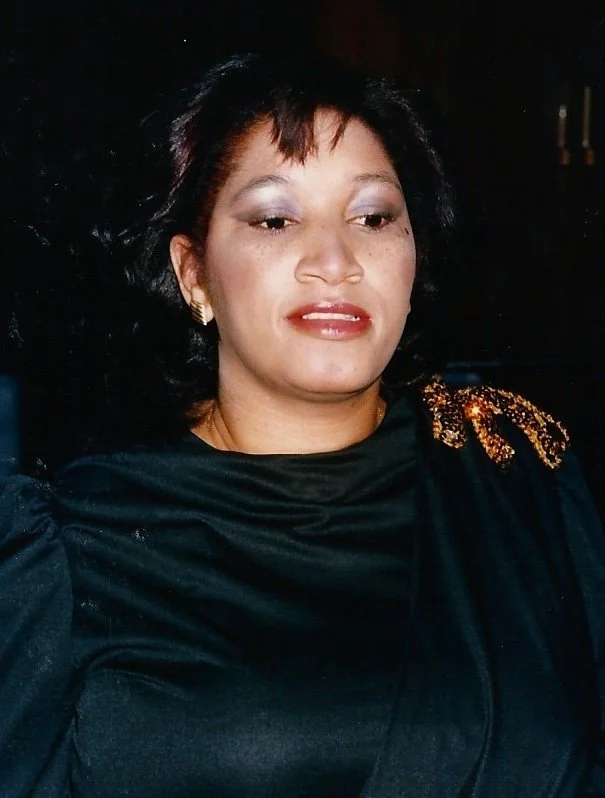
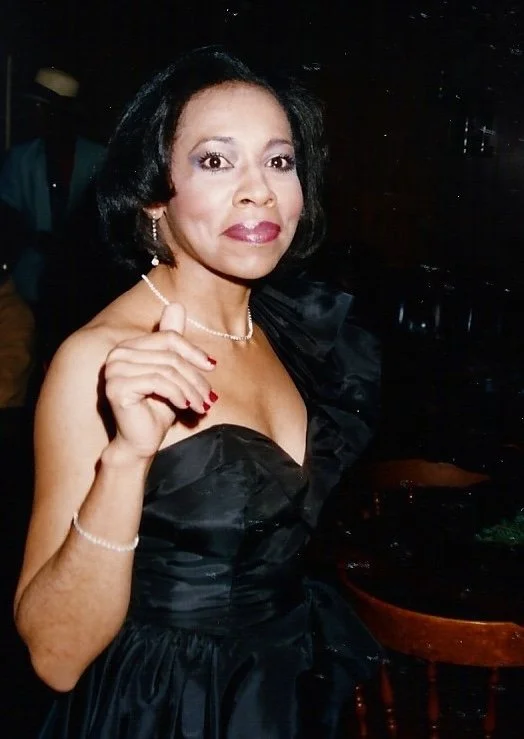
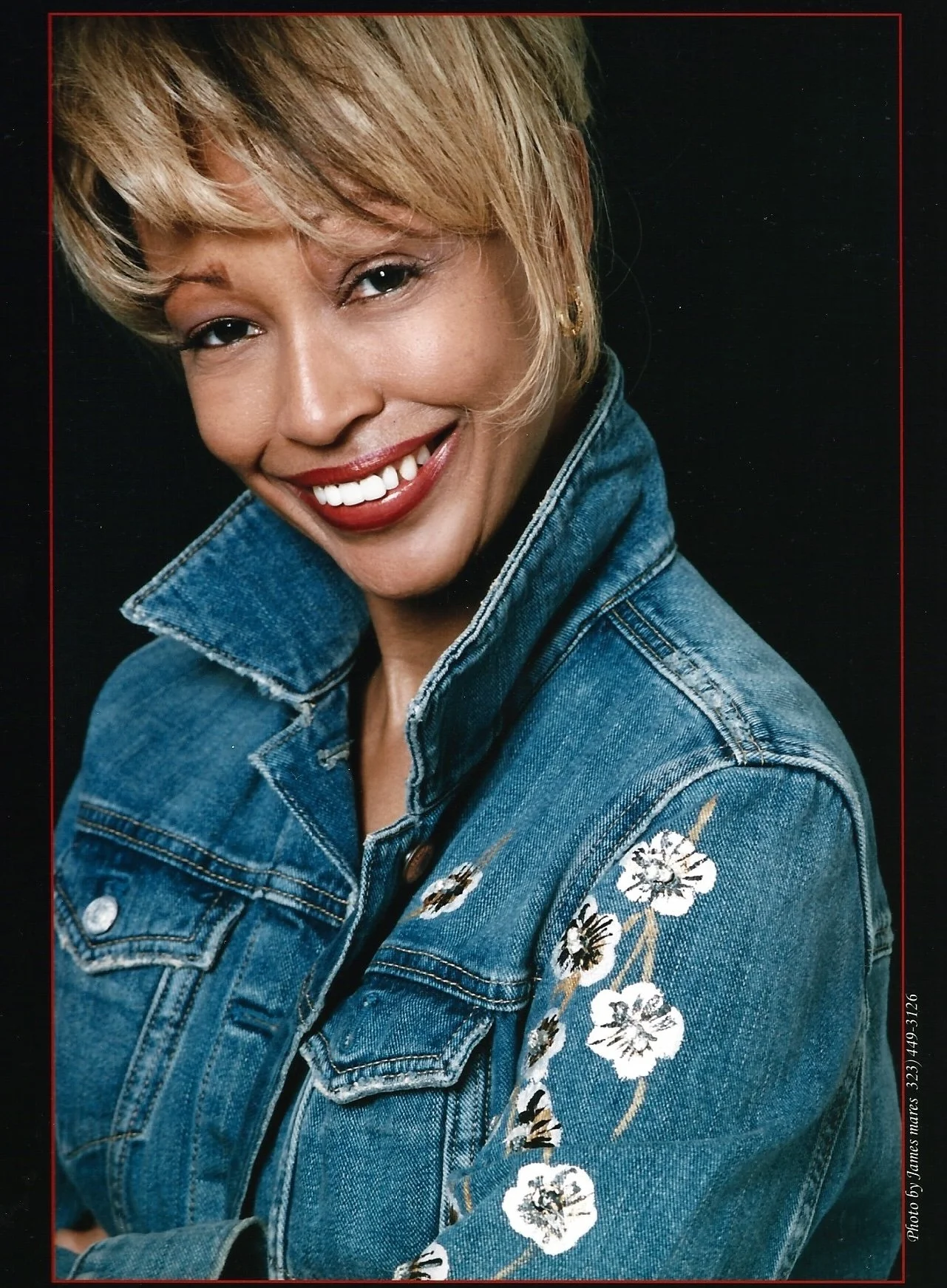
The Hub of Positivity
Joi: There was also a lot of political activity in your salon.
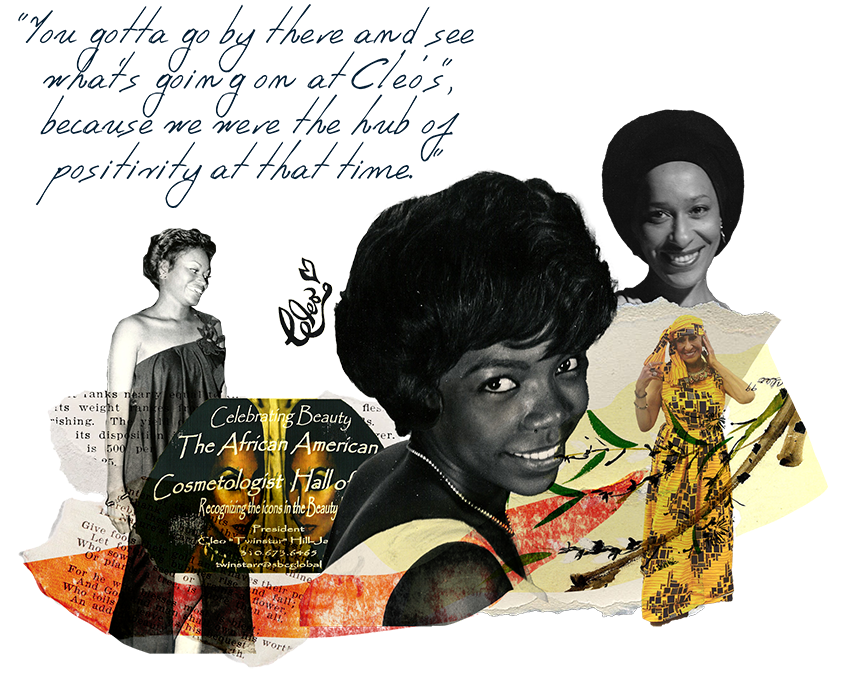
Cleo: Well, back on Central Avenue, that area was the hub of those who do and those who don't. Everybody tried to do something that was positive — something that would help somebody else move forward. I was very pleased that most of the prominent people came to my salon.
And Hollywood was a big deal, to be close to being a movie star.
When I started getting better and better in the beauty business, I found patrons among those in Hollywood, and I had some of the most wonderful people you can imagine.
They wondered, “What is she doing?”
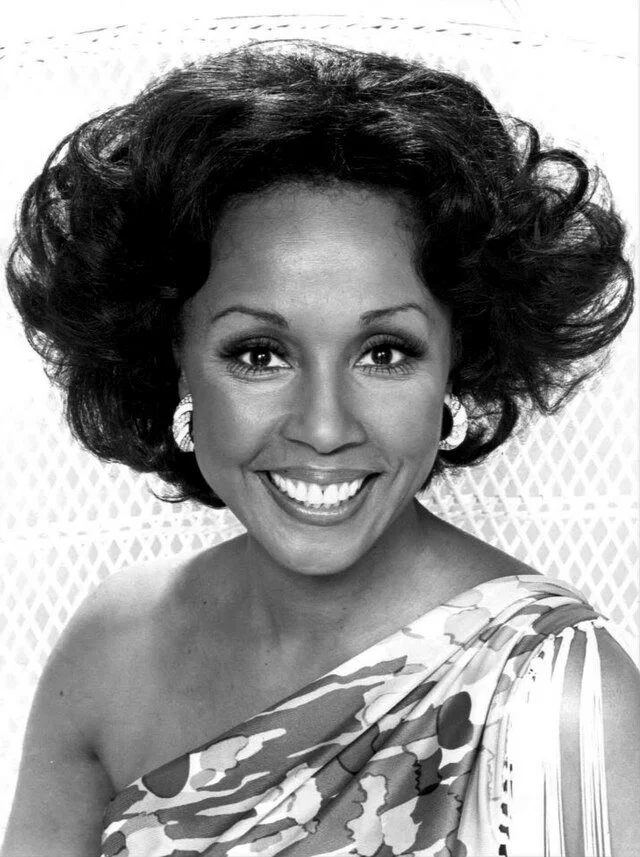
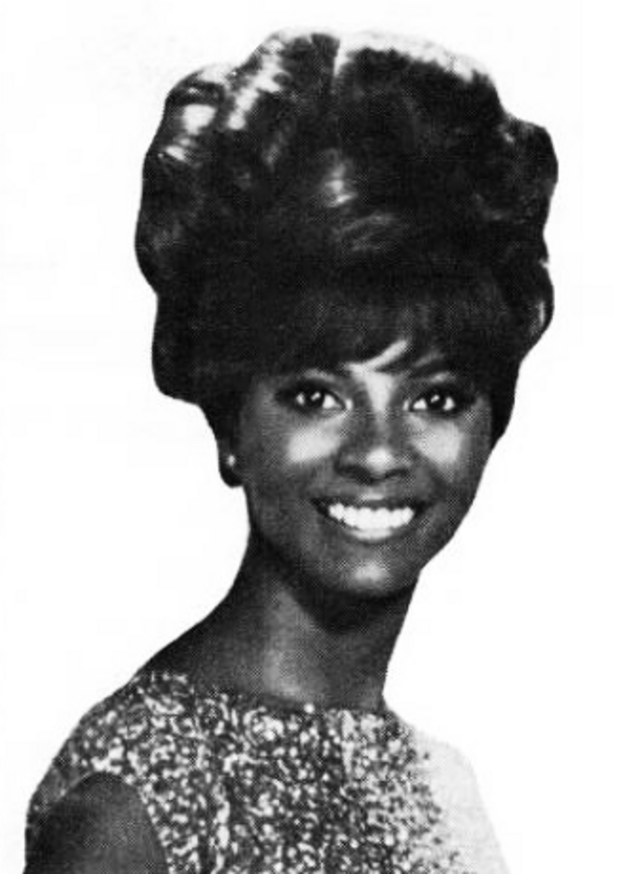
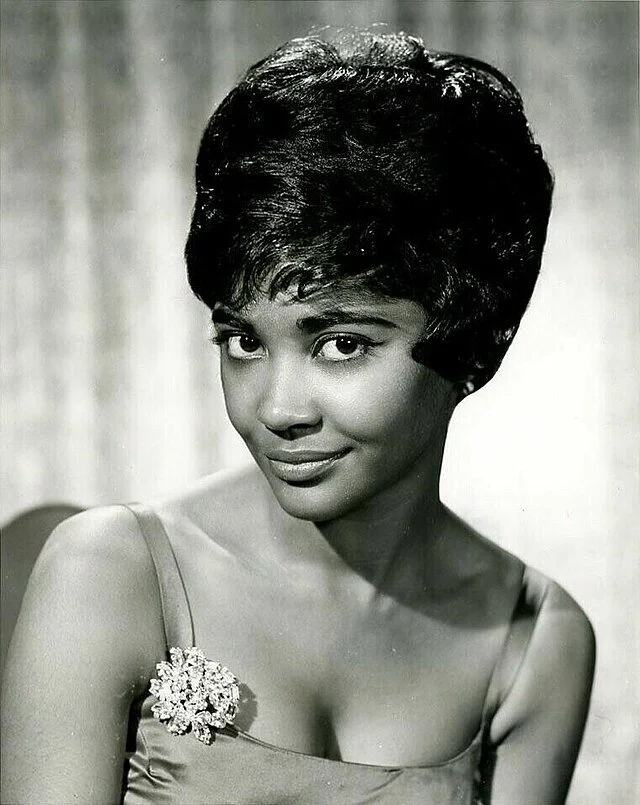
Nancy Wilson, Diahann Carroll, Leslie Uggams. And Yul Brynner, with his bald head, he came down there, and everybody went, “What does she do?”
It was more than just what you do. It's the interaction between people.
Joi: I heard that Martin Luther King Jr. came through a time or two.
Cleo: Yes. Dr King came into the salon. He was a wonderful spirit.
He was encouraged by his friends,
“You gotta go by there and see what’s going on at Cleo's”, because we were the hub of positivity at that time.
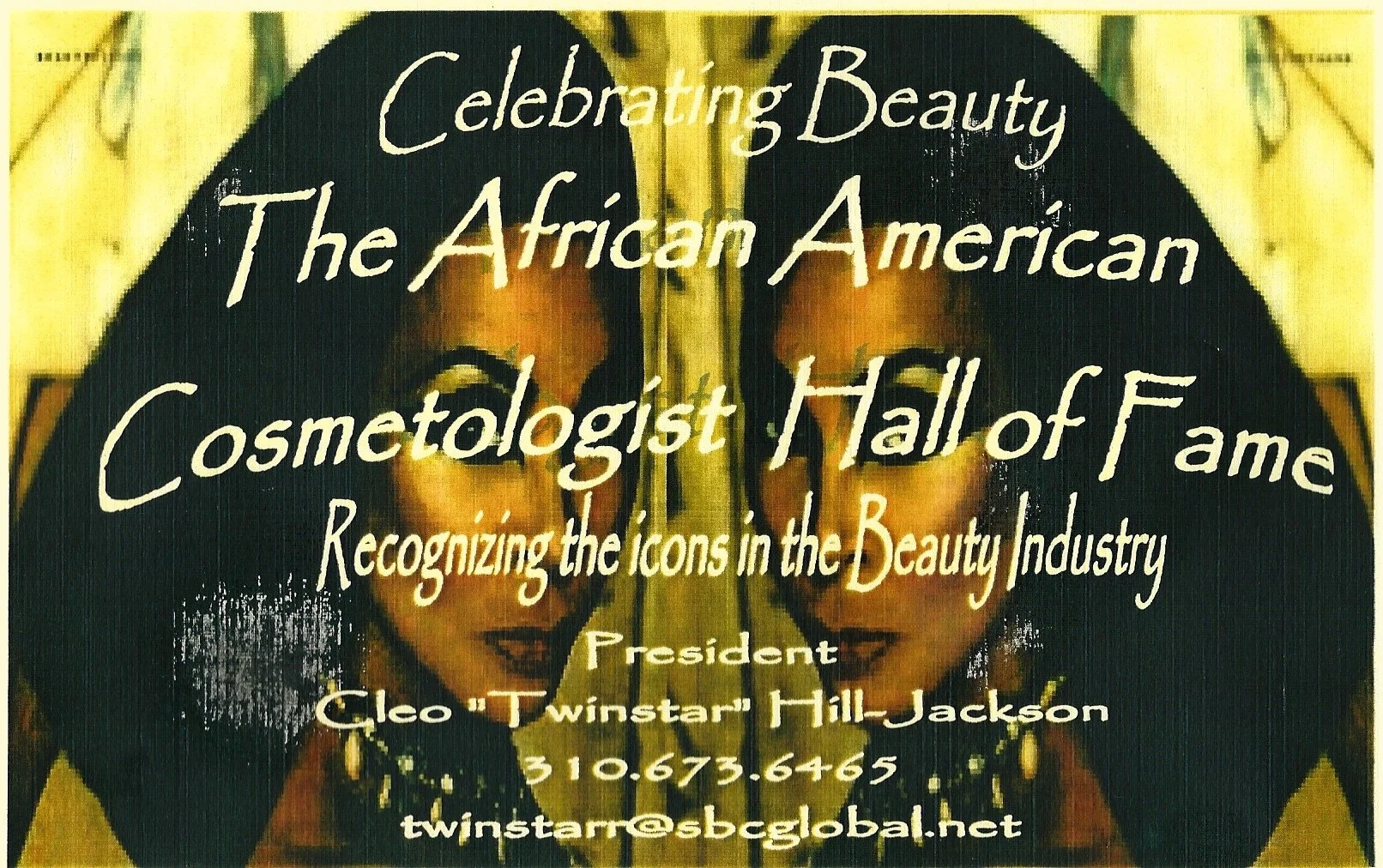
To this day, those people remember each other who came through that realm of time. And we need to keep the pluses going. There are enough minuses all over.
Joi: So, when you say a hub of positivity, it sounds like you were a group of people who were encouraged by your movement, both professionally and in the community.
Cleo: I think so. Whether they say it or not, they were people who stood up for the good in a person. I know a lot of wonderful people who did wonderful things, and they still do.
Joi: So, the positivity comes from the way you encourage each other.
Cleo: Yes. Albert J. McNeil would be driving down Central Avenue, and if he saw one kid alone, he'd pull over and take him home to make sure they were safe. Everyone took it as their personal responsibility.
Joi: It takes a village to raise a kid, because the word got around real fast.
Maintaining Youthfulness
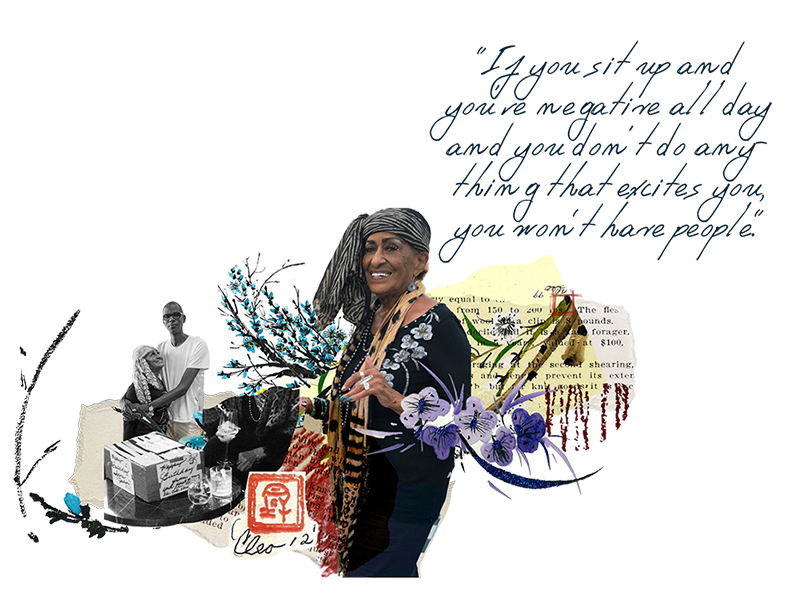
Joi: What does ageing mean to you, and how do you maintain your youthfulness? You know, your friends in a nursing home and how you're trying to get them to stay moving and active.
Cleo: Find yourself some form of art that you can participate in.
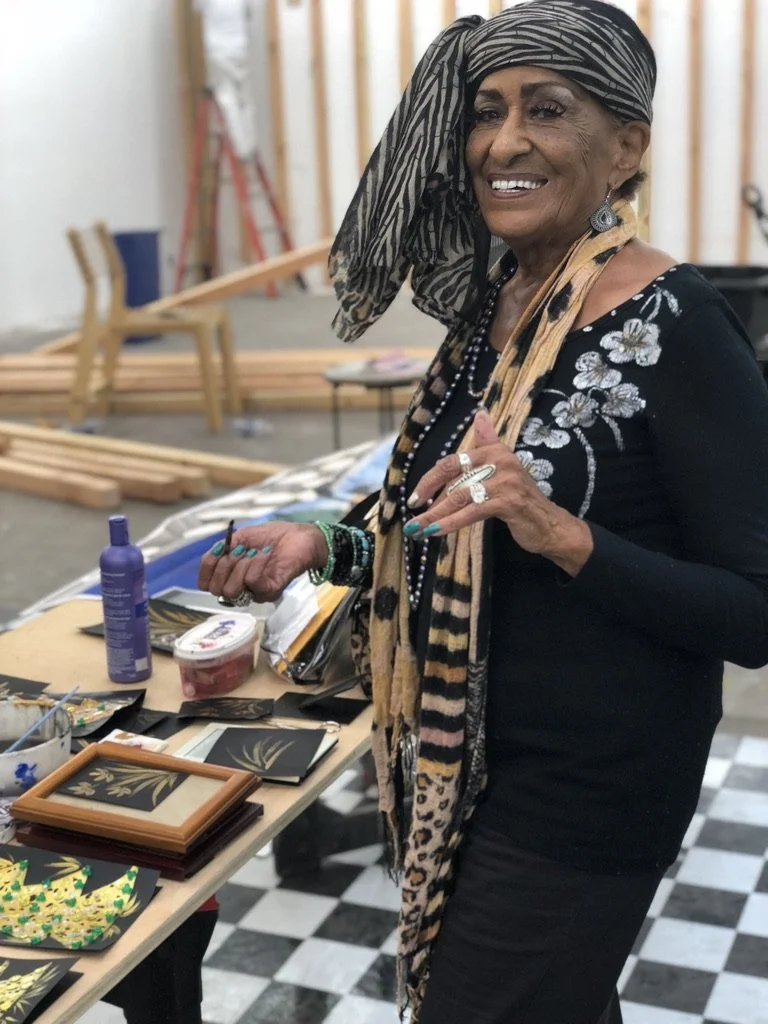
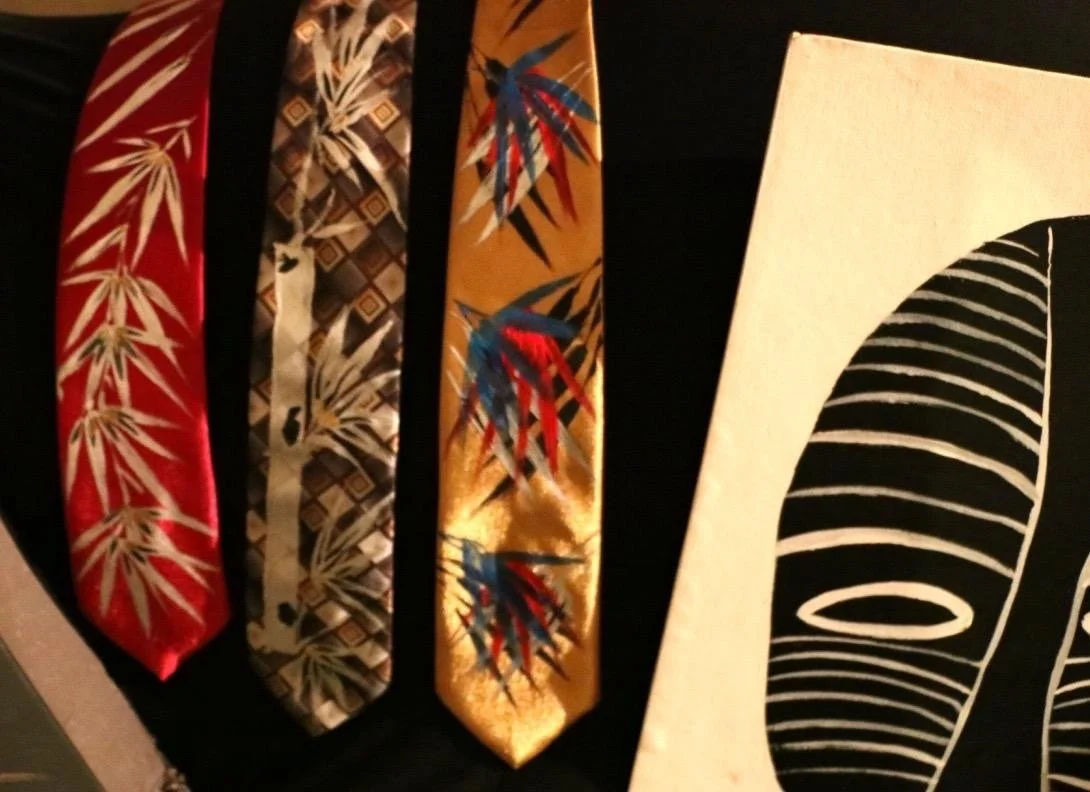
See, if you sit up and you're negative all day, and you don't do anything that excites you, you won’t have people that admire you. You have to have something. Through art, you get gratification — self-gratification — and doing something for other people.
Get out of yourself for a while. You can come back to yourself, but first, step away, get out there, and do something.
Joi: I see. When we talk about beauty, I think about courage, confidence, and strength.
Not necessarily all about appearance.
And there was a question about beauty — how we perceive beauty and art, right? I know when I'm in my world of art, I'm somewhere else. It's in the piece, in the process. The beauty of the art that I do. It’s in the gift of the opportunity to have that kind of expression for me.
Did you have that as a young girl?
Cleo: I did. It was something gifted to me by some of my aunts and the older people around me, who showed me something that I valued. You have to have things that make you feel good.
That’s why I try to help the senior citizens older than me have something that they can feel good about.
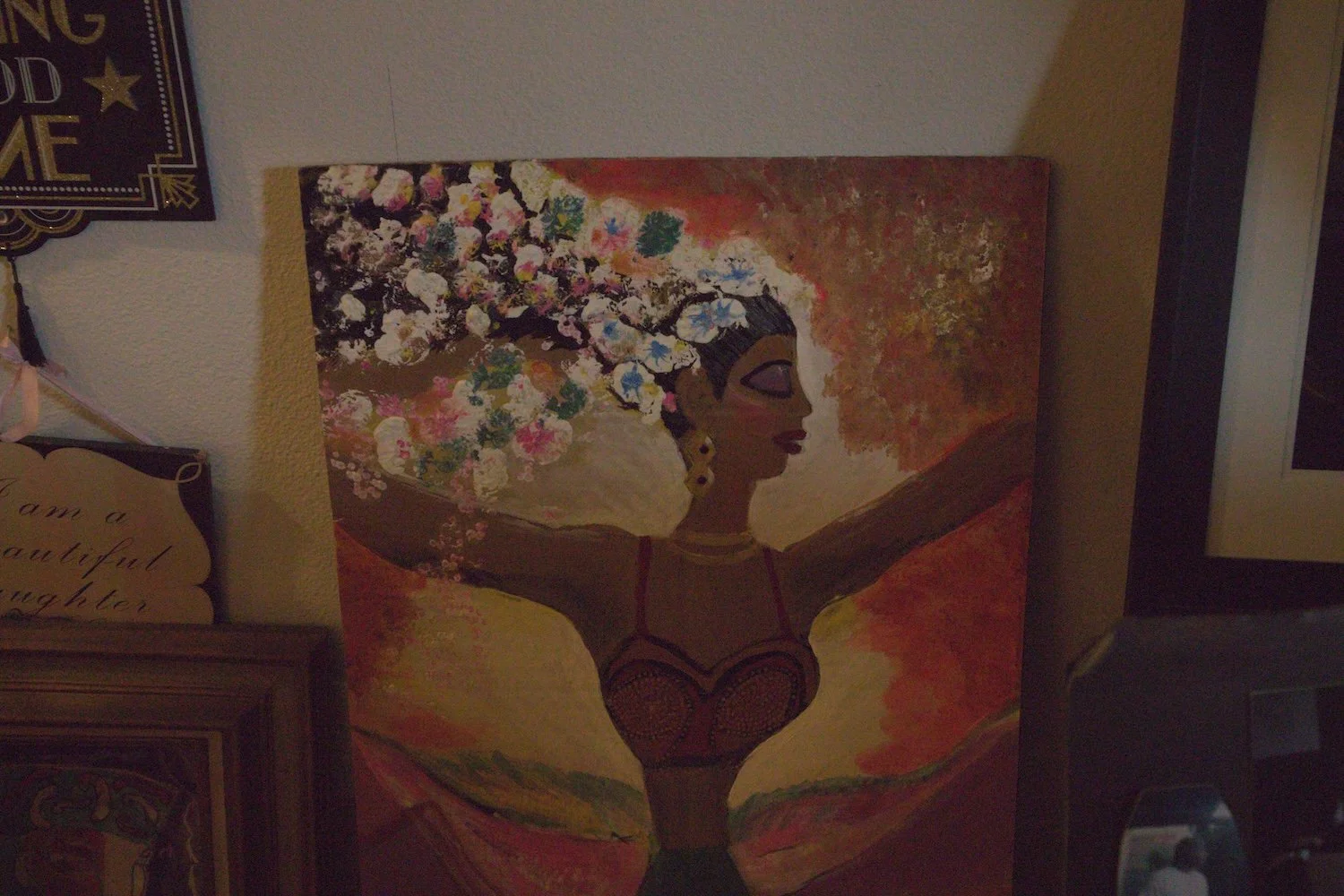
Joi: That makes me think about beauty as resistance.
I think that it's very empowering to eventually embrace what you have over time. I've always had issues with being too thick or too heavy and stuff like that, but throughout my journey, I learned that there are people who don't necessarily like being their size, whether slim or curvy.
I think my final word about ageing is that the best way to stay free of obsessive thinking is to be of service to others. That has been a great source of freedom and peace for me.

CLEO’S ART
A Lasting Legacy
Joi: Finally, what do you hope your lasting legacy will be?
Cleo: I would like very much for it to be a short story — from beginning to end — with family and friends, and beauty, because beauty has been a part of my life since the very beginning.
Much of that comes from my mother, who did everybody's hair, and she let me put the final touches on them, which gave me the chance to talk with people.
I put the psychology into the beauty work, really making an effort to understand people, and opened a couple of salons that were successful with the community.
It proved that people are what counts — not the ideology, but those you’re helping. My career stood for the things I believed in and what I did along the way.
My mother was a people person, but in her own way. I took what she gave me, which is the talent to do hair, and took it as far as I could.
Joi: You have people like your mom and your brother who may have left this world just before you got to your peak. What do you think they would say to you today?
Cleo: They would say, “You better eat some more and gain another three pounds!”
Joi: Well, I know you cherish being a mother and grandmother.
Cleo: Because my great grandchildren are newcomers to the planet, we are preparing it for them to make it even greater. We have to leave them with something of value, and what I value most, what I give them most, is my time.
Joi: Well, Ms. Cleo, I know that in the short time we’ve been acquaintances, you’ve had a big impact on me. And you've had a huge impact on many others as well.
Cleo: I'm a people person too, and I try not to be a phoney.
Joi: To young women practising cosmetology today, what would you say to them or offer them as encouragement?
Cleo: Eat well, healthy as you can, sleep well, and think well. You know, don't let your thinking drift into fantasy. Stay away from it as much as you can, because it will pull you in.
Joi: Keep both feet on the ground.